Overview
Tai Chi, an ancient Chinese practice, blends gentle movements, deep breathing, and mindfulness to promote mental and physical well-being. Known for its calming effects, the benefits of Tai Chi for mental health include stress reduction, improved mood, and enhanced focus. This article dives into how Tai Chi can transform your mental health and enrich family wellness.
What Is Tai Chi?
Tai Chi is a slow, flowing martial art that originated in China centuries ago. Often called 'moving meditation,' it involves a series of deliberate movements performed with focus and deep breathing. Unlike high-intensity workouts, Tai Chi is low-impact, making it accessible to people of all ages and fitness levels. Its gentle nature makes it ideal for family wellness retreats with Tai Chi sessions, where everyone from kids to seniors can participate.
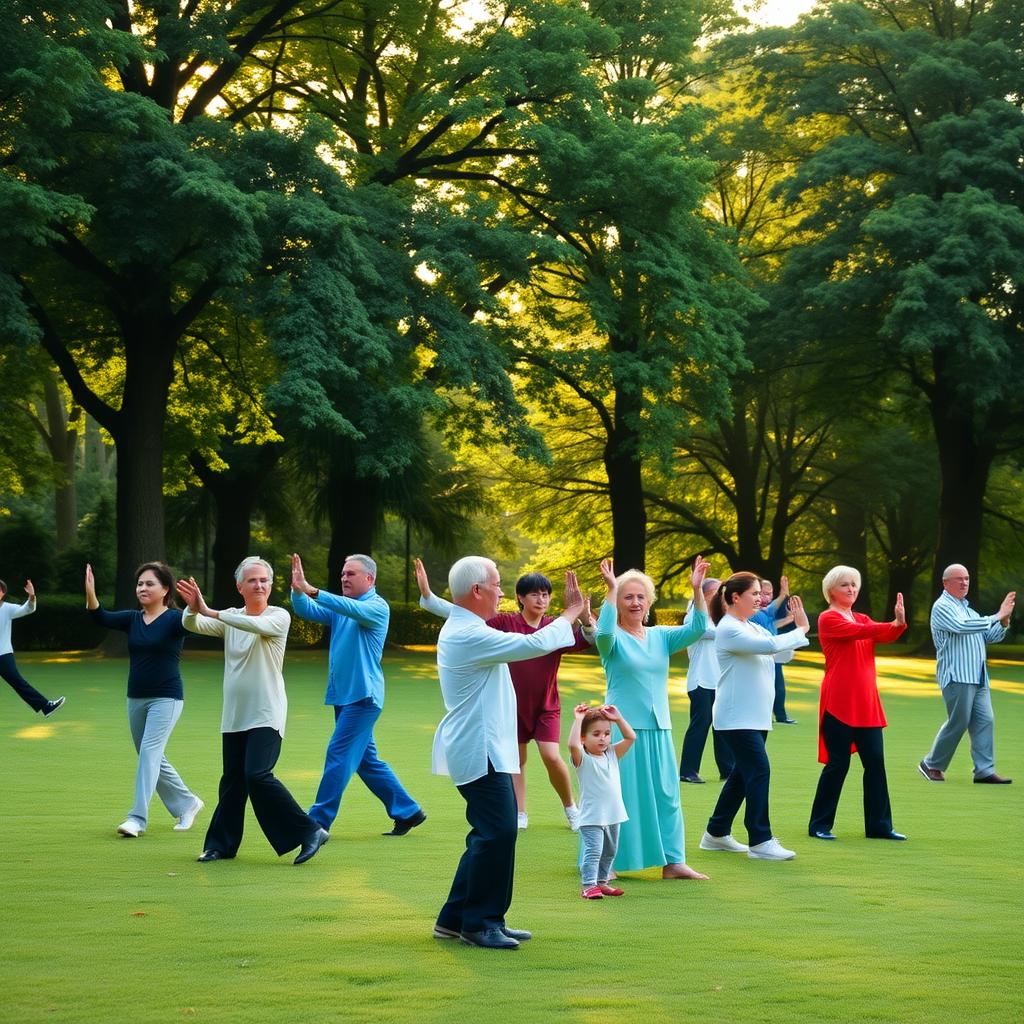
I first encountered Tai Chi at a community park, watching a group move in unison, their faces calm and focused. Intrigued, I joined a class and quickly felt the mental clarity it brought. This personal experience mirrors what science now confirms: Tai Chi has measurable benefits for mental health.
Key Benefits of Tai Chi for Mental Health
Tai Chi’s gentle movements and meditative focus offer unique advantages for mental well-being. Here are the top benefits, backed by research and personal insights:
1. Reduces Stress and Anxiety
Tai Chi’s slow, rhythmic movements paired with deep breathing activate the body’s relaxation response. A 2018 study in the Journal of Clinical Psychiatry found that Tai Chi significantly reduced anxiety symptoms in participants after just eight weeks. Personally, I’ve noticed that a 20-minute Tai Chi session leaves me feeling lighter, as if my worries have melted away.
2. Improves Mood and Emotional Balance
The mindfulness aspect of Tai Chi helps regulate emotions. By focusing on the present moment, you train your brain to let go of negative thought patterns. Research from Harvard Medical School suggests Tai Chi can alleviate symptoms of depression, with participants reporting better mood and energy after regular practice. For families, practicing together at family wellness retreats with Tai Chi sessions fosters emotional connection and shared calm.
3. Enhances Focus and Mental Clarity
Tai Chi requires concentration to coordinate movements and breathing. This practice strengthens cognitive function, improving memory and attention. A 2020 study in Frontiers in Aging Neuroscience showed that older adults practicing Tai Chi had better cognitive performance than those who didn’t. I’ve found that even a short session helps me tackle work with renewed focus.
4. Promotes Better Sleep
Struggling with sleep? Tai Chi might help. Its calming effects reduce insomnia and improve sleep quality. A 2015 study in Sleep Medicine found that Tai Chi practitioners fell asleep faster and slept longer than a control group. Incorporating Tai Chi into evening routines can be a game-changer for restless nights.
How Tai Chi Supports Family Wellness
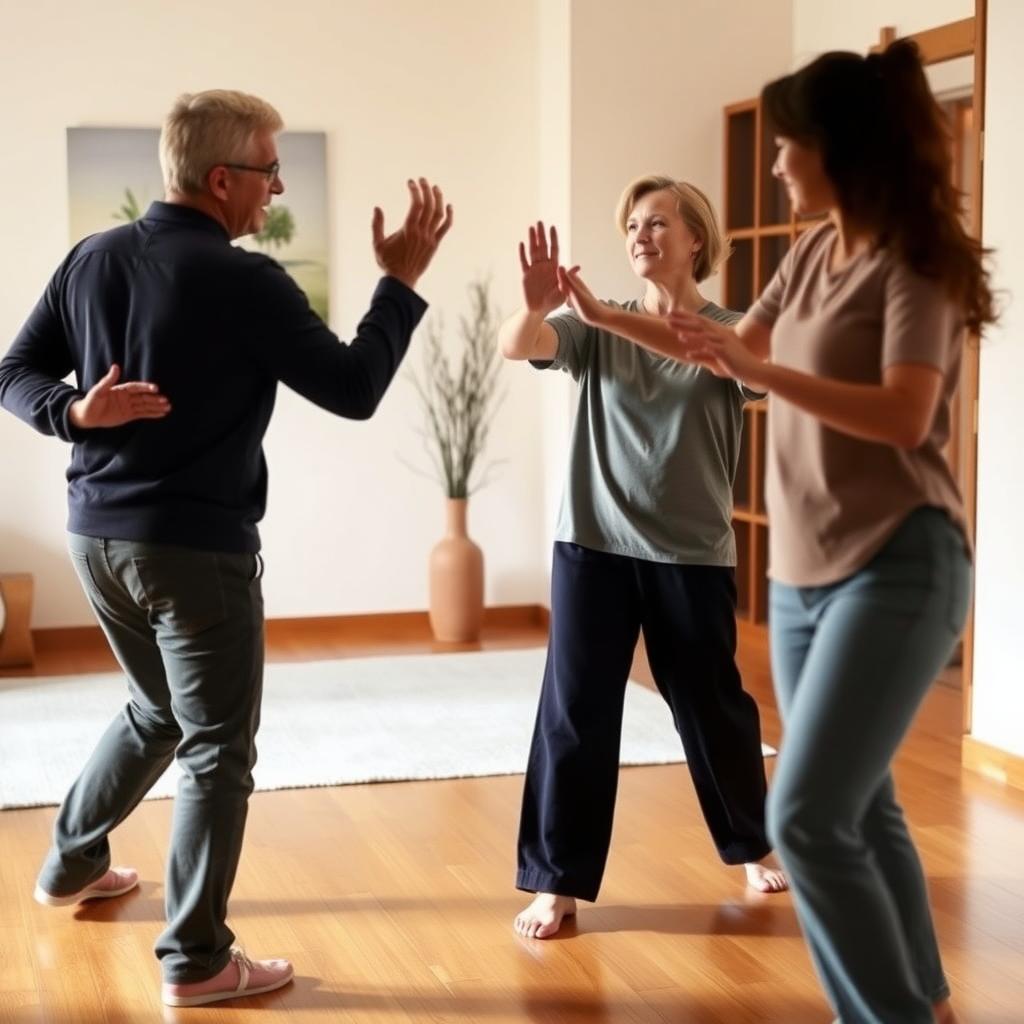
Tai Chi isn’t just for individuals—it’s a fantastic activity for family wellness. Its inclusive nature makes it perfect for multi-generational groups. At family wellness retreats with Tai Chi sessions, families bond while learning to move mindfully together. The practice encourages patience, mutual support, and shared relaxation, strengthening family ties.
Here’s how Tai Chi enhances family wellness: - Builds Connection: Moving in sync fosters a sense of unity. - Reduces Family Stress: Shared practice creates a calm environment. - Encourages Mindfulness: Families learn to stay present together.
I’ve seen families at retreats light up as they laugh and learn Tai Chi together. It’s a refreshing break from screens and daily chaos.
Getting Started with Tai Chi
Ready to try Tai Chi? You don’t need fancy equipment or prior experience. Here’s a simple guide to begin:
- Find a Class or Online Tutorial: Local community centers or parks often offer classes. Online platforms like YouTube have beginner-friendly videos.
- Start Small: Begin with 10-15 minute sessions, focusing on basic movements like 'Wave Hands Like Clouds.'
- Practice Regularly: Aim for 2-3 sessions per week to feel mental health benefits.
- Involve Family: Make it a family activity, especially at family wellness retreats with Tai Chi sessions.
- Stay Patient: Tai Chi is about progress, not perfection.
Pro Tip: Wear comfortable clothing and practice in a quiet space to maximize relaxation.
Tai Chi vs. Other Mindfulness Practices
How does Tai Chi stack up against yoga or meditation? Here’s a quick comparison:
| Practice | Movement | Mental Focus | Accessibility |
|---|---|---|---|
| Tai Chi | Slow, flowing | High | All ages, low-impact |
| Yoga | Poses, stretching | Moderate | Varies by style |
| Meditation | Stationary | High | Requires quiet focus |
Tai Chi’s unique blend of movement and mindfulness makes it ideal for those who struggle with sitting still during meditation. Its gentle pace suits everyone, from kids to grandparents, making it a cornerstone of family wellness.
Tips for Maximizing Mental Health Benefits
To get the most out of Tai Chi, try these tips: - Practice Outdoors: Nature enhances the calming effects. I love practicing in my backyard, feeling the breeze. - Combine with Breathing Exercises: Deep, diaphragmatic breathing amplifies relaxation. - Join a Community: Group practice boosts motivation and connection. - Track Your Mood: Keep a journal to notice improvements in stress or focus over time.
For families, attending family wellness retreats with Tai Chi sessions can deepen the experience. These retreats often combine Tai Chi with other wellness activities, creating lasting memories and habits.
Challenges and How to Overcome Them
Tai Chi is beginner-friendly, but challenges can arise: - Learning Curve: Movements may feel awkward at first. Stick with simple forms and practice regularly. - Time Commitment: Busy schedules can interfere. Short, 10-minute sessions are still effective. - Finding Quality Instruction: Look for certified instructors or reputable online courses to ensure proper technique.
Patience is key. Over time, the benefits of Tai Chi for mental health become undeniable.
Summary
The benefits of Tai Chi for mental health are profound, from reducing stress and anxiety to improving mood, focus, and sleep. Its gentle, inclusive nature makes it perfect for family wellness, whether practiced at home or during family wellness retreats with Tai Chi sessions. Start small, stay consistent, and enjoy the journey to inner peace.

Discuss Here