Overview
High-Intensity Interval Training (HIIT) is a game-changer for anyone looking to boost fitness, burn fat, and save time. This article dives into The Science Behind High-Intensity Interval Training (HIIT), exploring why it’s perfect for a 30-day fitness challenge for weight loss or family fitness routines. Expect practical tips, research-backed insights, and a clear path to making HIIT work for you.
What Is HIIT and Why Does It Work?
HIIT involves short bursts of intense exercise followed by brief rest periods. Think sprinting for 30 seconds, then walking for a minute, repeated for 20 minutes. This approach maximizes calorie burn and improves heart health in less time than traditional workouts. The secret? It pushes your body to work harder, tapping into both aerobic and anaerobic energy systems.
Research from the American College of Sports Medicine shows HIIT increases your metabolic rate for hours after exercise, a phenomenon called excess post-exercise oxygen consumption (EPOC). This 'afterburn' effect means you keep burning calories even while resting. For anyone tackling a 30-day fitness challenge, this makes HIIT a powerful tool for weight loss and overall fitness.

The Science Behind HIIT’s Effectiveness
HIIT’s magic lies in its ability to stress your body in a controlled way. During intense intervals, your heart rate spikes, forcing your cardiovascular system to adapt. This improves oxygen efficiency and strengthens your heart. A 2018 study from the Journal of Applied Physiology found that HIIT improves insulin sensitivity and boosts mitochondrial function, which helps your cells produce energy more efficiently.
For weight loss, HIIT shines because it burns both fat and carbs. Unlike steady-state cardio, which primarily uses fat for fuel, HIIT taps into glycogen stores, leading to faster fat loss over time. This makes it ideal for a 30-day fitness challenge for weight loss, where quick, visible results keep you motivated.
Benefits of HIIT
Here’s why HIIT stands out: - Time Efficiency: A 20-minute HIIT session can match or outperform an hour of moderate cardio. - Versatility: You can do HIIT with bodyweight exercises, running, cycling, or even dancing. - Adaptability: It suits beginners to advanced athletes by adjusting intensity or duration. - Mental Boost: The quick pace keeps workouts engaging, reducing boredom.
I’ve tried HIIT myself, and the rush of pushing through a tough 30-second sprint is unmatched. It’s not just physical—it’s a mental win, too, knowing you’re maximizing every second.
HIIT and Family Fitness
HIIT isn’t just for gym buffs; it’s perfect for family fitness. You don’t need fancy equipment, and workouts can be done at home or in a park. For families, HIIT can turn exercise into a fun, shared activity. Imagine a 30-day fitness challenge where parents and kids do jumping jacks, burpees, or relay races together. It builds teamwork and healthy habits.
A study from the National Institutes of Health highlights that group exercise improves adherence. When families work out together, everyone’s more likely to stick with it. Try setting up a backyard circuit: 30 seconds of high-knees, 15 seconds of rest, then switch to squats. Kids love the energy, and parents get a real workout.

Designing Your 30-Day Fitness Challenge
Ready to try a 30-day fitness challenge with HIIT? Here’s a simple plan: 1. Week 1: Start Easy – 3 sessions of 15-minute HIIT (e.g., 20 seconds sprint, 40 seconds walk, repeat 8 times). 2. Week 2: Increase Intensity – 4 sessions, 20 minutes each, with shorter rest (30 seconds work, 30 seconds rest). 3. Week 3: Mix It Up – Add bodyweight moves like push-ups or mountain climbers, 4 sessions, 25 minutes. 4. Week 4: Push Limits – 5 sessions, 20-30 minutes, with high-intensity moves like burpees or jump squats.
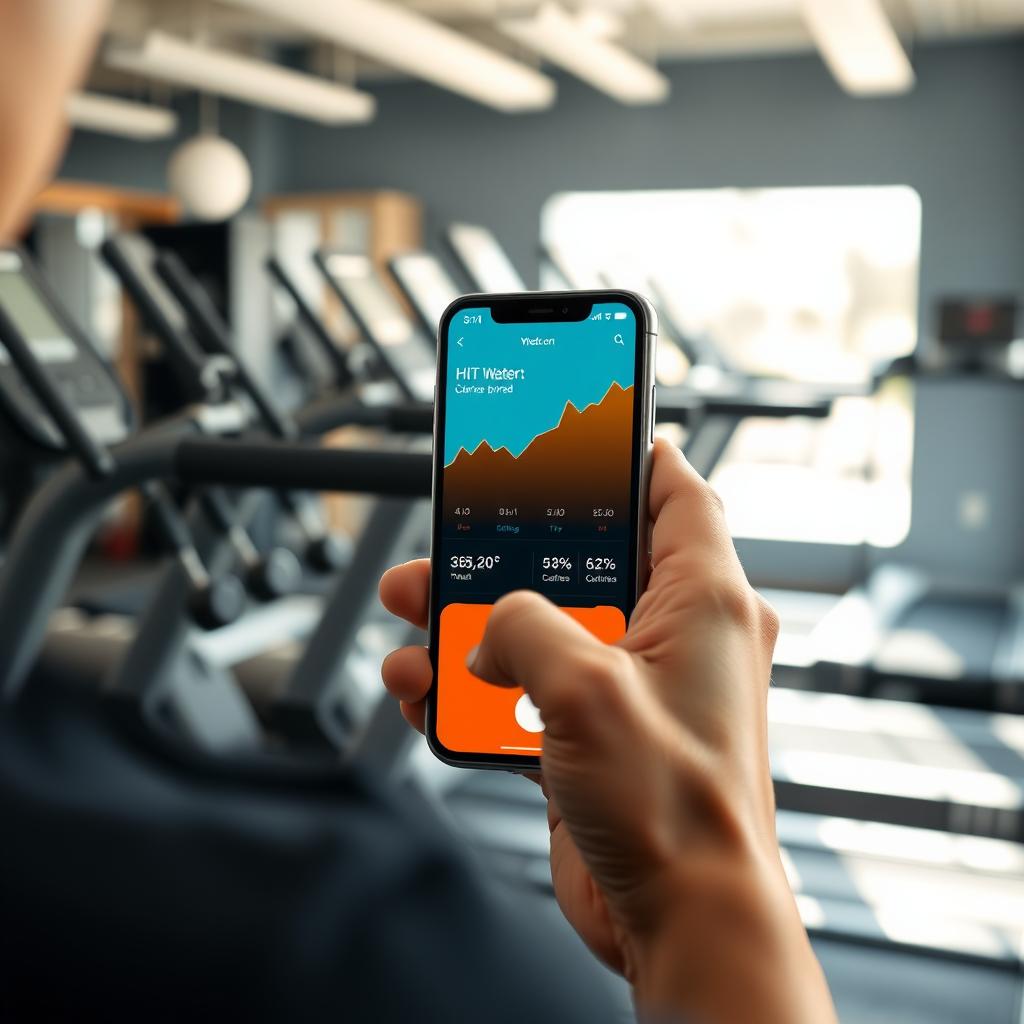
Rest at least one day between sessions to recover. Track progress with a journal or app to stay motivated. I found that logging my workouts helped me see small wins, like shaving seconds off my sprint time.
Safety and Tips for Success
HIIT is intense, so start slow if you’re new. Warm up for 5-10 minutes to prevent injury, and cool down with stretches. Listen to your body—push hard, but don’t overdo it. Hydrate well, especially if you’re sweating buckets. For family fitness, ensure kids use age-appropriate moves (e.g., skip burpees for younger ones).
A tip from my experience: pair HIIT with music. A high-energy playlist makes those tough intervals fly by. Also, vary your exercises to keep things fresh. Boredom is the enemy of consistency.
Common Mistakes to Avoid
- Skipping Warm-Ups: This risks strains or worse. Always prep your muscles.
- Ignoring Form: Poor technique during burpees or squats can lead to injury. Focus on quality over speed.
- Overtraining: More isn’t better. Stick to 3-5 sessions per week.
- Neglecting Nutrition: HIIT burns calories, but weight loss requires a balanced diet. The Harvard School of Public Health emphasizes pairing exercise with proper nutrition for optimal results.
Why HIIT Fits Any Lifestyle
Whether you’re a busy parent, a student, or juggling a 9-to-5, HIIT’s flexibility is a lifesaver. You can squeeze a session into a lunch break or do it with your kids as part of family fitness. The variety keeps it fun, and the results—more energy, better mood, and visible progress—make it addictive. After my first 30-day fitness challenge, I felt stronger and slept better, which was a huge win.
Summary
The Science Behind High-Intensity Interval Training (HIIT) reveals why it’s a top choice for fitness challenges. Its fat-burning power, time efficiency, and adaptability make it ideal for weight loss and family fitness. Start with a 30-day fitness challenge for weight loss, stay consistent, and enjoy the results. With HIIT, you’re not just working out—you’re transforming your body and mind.

Discuss Here