Overview
Stress can feel overwhelming, especially if you're new to managing it. Stress Reduction Techniques for Beginners: Simple Practices to Calm Your Mind offers practical, beginner-friendly ways to find peace. From mindfulness to physical activity, these methods help you start your wellness journey with confidence.
Why Stress Management Matters
Stress is a part of life, but too much of it can harm your health. It can make you feel tired, anxious, or even physically unwell. For beginners, tackling stress might seem daunting, but small steps can make a big difference. I remember when I first started feeling overwhelmed by work and family responsibilities. My heart raced, and I couldn’t focus. That’s when I realized I needed simple tools to regain control. The techniques below are designed to be easy to adopt and effective, even if you’re just starting out.
Mindfulness: A Simple Start to Calm Your Mind
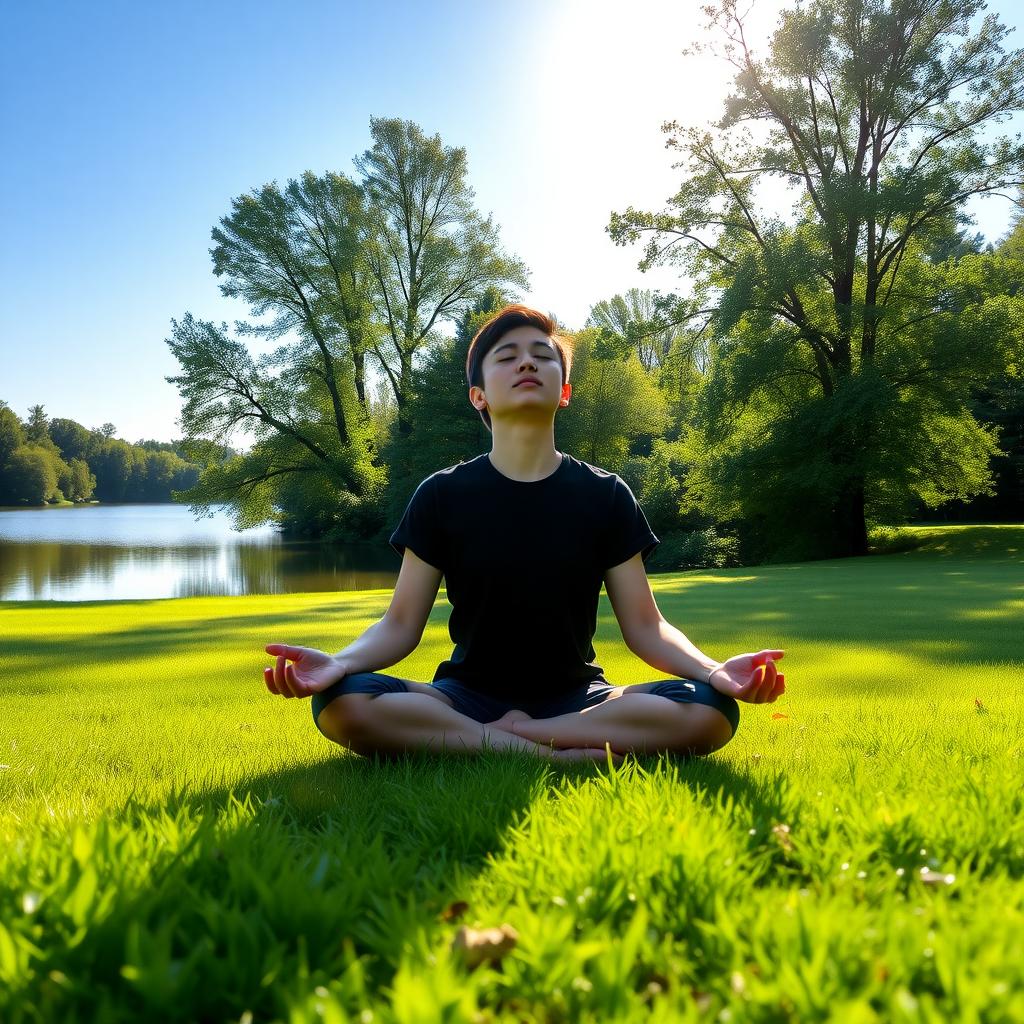
Mindfulness is about being present in the moment. It’s one of the most accessible Stress Reduction Techniques for Beginners: Simple Practices to Calm Your Mind. You don’t need special equipment or hours of free time. Just a few minutes can help.
Try this: Sit in a quiet spot, close your eyes, and focus on your breath. Notice the air moving in and out. If your mind wanders, gently bring it back. I started with just five minutes a day, and it felt like a mental reset. Research from the American Psychological Association shows mindfulness can lower stress and improve focus.
Breathing Exercises for Instant Relief
Breathing exercises are another beginner-friendly way to reduce stress. When I’m anxious, I notice my breathing gets shallow. A simple technique like the 4-7-8 method can help. Inhale for 4 seconds, hold for 7, and exhale for 8. This slows your heart rate and calms your nervous system. I used this before a big presentation, and it worked wonders. Studies, like those from the Cleveland Clinic, confirm that controlled breathing reduces stress hormones.
The Power of an Active Lifestyle
An active lifestyle and stress reduction go hand in hand. Physical activity releases endorphins, which are your body’s natural stress fighters. You don’t need to run a marathon—small steps count. I started with a 15-minute walk each evening. It cleared my head and boosted my mood. Whether it’s yoga, dancing, or a brisk walk, Physical Activity Programs can be tailored to your level. The CDC recommends 150 minutes of moderate activity weekly for overall health.

Understanding Wellness Programs for Beginners
Understanding Wellness Programs for Beginners can feel overwhelming, but they’re just structured ways to improve your health. Many programs combine mindfulness, exercise, and nutrition to reduce stress. For example, a beginner’s yoga class might include stretching, breathing, and meditation. I joined a local wellness group and found the community support motivating. Look for programs at community centers or online platforms like Mindbody. Start with something simple, like a weekly class, and build from there.
Journaling to Process Emotions
Writing down your thoughts can be a powerful stress reliever. Journaling helps you process emotions and gain clarity. I started by writing three things I was grateful for each day. It shifted my focus from stress to positivity. Try prompts like, “What made me smile today?” or “What can I let go of?” Research from the University of Rochester suggests journaling can reduce anxiety and improve mental health.
Creating a Stress-Free Environment
Your surroundings impact your stress levels. A cluttered desk or noisy space can make you feel chaotic. I found that tidying my workspace and adding a small plant made a difference. Simple changes, like soft lighting or calming music, can create a peaceful vibe. Experiment with what feels soothing to you. For beginners, small tweaks to your environment can support other Stress Reduction Techniques for Beginners: Simple Practices to Calm Your Mind.

Building a Routine That Works
Consistency is key to managing stress. Create a simple routine that blends these techniques. For example:
| Time of Day | Activity | Duration |
|---|---|---|
| Morning | Mindfulness | 5 min |
| Afternoon | Walk (Active Lifestyle) | 15 min |
| Evening | Journaling | 10 min |
I started with this basic plan, and it helped me feel grounded. Adjust the times and activities to fit your schedule. The goal is to make stress reduction a habit.
Overcoming Common Challenges
Beginners often face hurdles, like lack of time or motivation. I struggled with consistency at first. If you’re busy, start with one-minute breathing exercises. If you feel unmotivated, pair activities with something you enjoy, like listening to music while walking. Be patient with yourself—small efforts add up. The National Institute of Mental Health emphasizes that gradual progress is effective for long-term stress management.
Summary
Starting your stress reduction journey doesn’t have to be complicated. Stress Reduction Techniques for Beginners: Simple Practices to Calm Your Mind like mindfulness, breathing, and an Active Lifestyle are easy to adopt. Combine these with Physical Activity Programs or Understanding Wellness Programs for Beginners to build a routine that works. With practice, you’ll feel calmer and more in control. Take the first step today—your mind deserves it.

Discuss Here