Overview: Finding Peace Through Yoga Basics for Stress Relief
Stress is a part of life, but it doesn’t have to control you. Yoga Basics for Stress Relief offers a natural, accessible way to calm your mind and body. This guide explores how yoga, combined with exercise and mindfulness, can transform your daily experience, helping you find balance and ease physical symptoms of stress.
Why Yoga Works for Stress Relief
I’ve always been a bit skeptical about wellness trends, but yoga changed my perspective. After a particularly tough month at work, I felt overwhelmed, with tight shoulders and a racing mind. A friend suggested yoga, and I reluctantly tried a beginner’s class. The slow movements and focus on breathing felt like hitting a reset button. Yoga isn’t just stretching; it’s a practice that combines physical movement, breath control, and mindfulness to lower stress hormones like cortisol. According to Harvard Medical School’s research on yoga, regular practice can reduce anxiety and improve mood by stimulating the parasympathetic nervous system, which promotes relaxation.
Yoga’s power lies in its simplicity. You don’t need fancy equipment or hours of free time. Even 10 minutes of intentional movement can shift your mindset. For me, starting with just a few poses at home made a difference. The key is consistency—making yoga a habit helps you manage stress before it spirals.
How Exercise Beats Stress Every Time
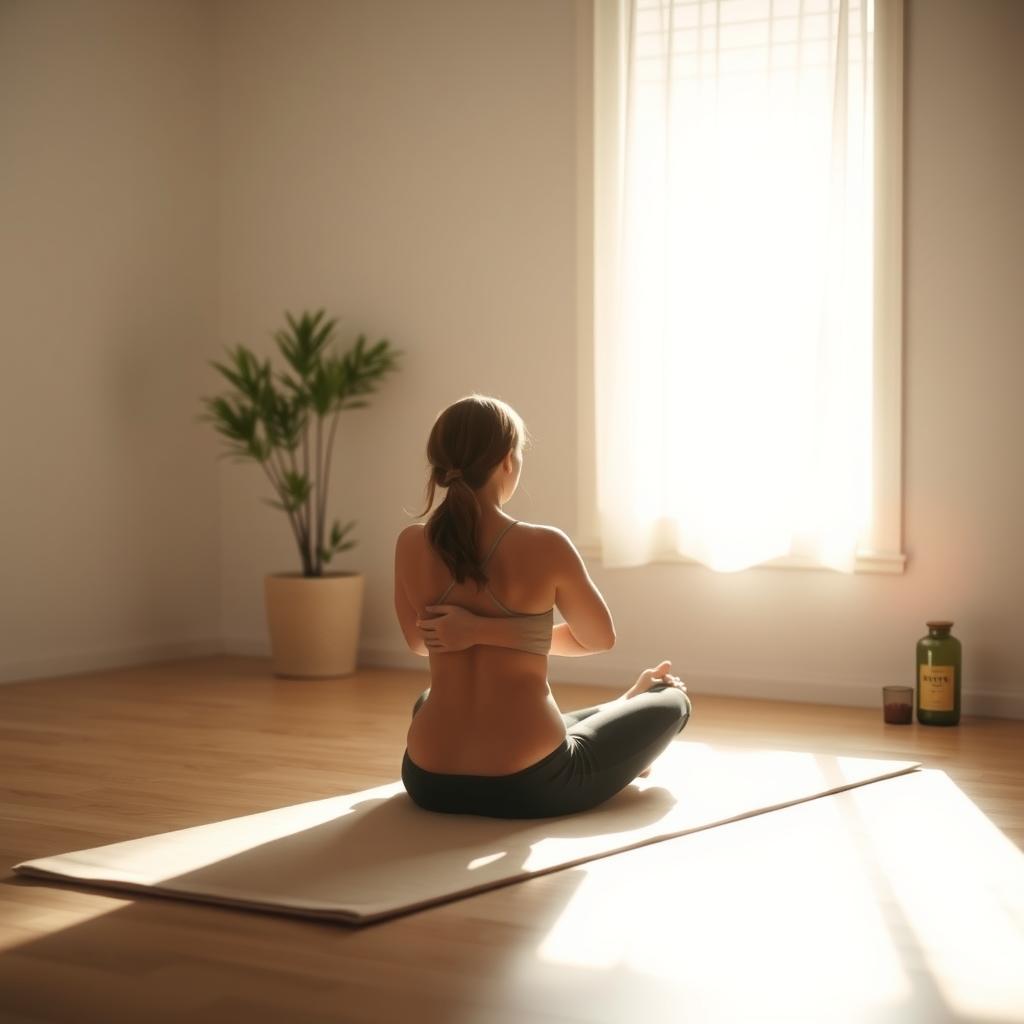
Exercise, including yoga, is a proven stress-buster. When you move your body, it releases endorphins—those feel-good chemicals that lift your mood. Yoga takes this a step further by combining movement with mindfulness. Unlike running or lifting weights, yoga encourages you to slow down and connect with your breath. This dual focus helps quiet the mind while strengthening the body. A study from the American Psychological Association highlights that regular physical activity reduces stress by lowering tension and stabilizing mood. For me, yoga feels like a moving meditation—it’s exercise that doesn’t just work your muscles but also soothes your mind.
Here’s a quick comparison of how yoga stacks up against other exercises for stress relief:
| Activity | Stress Relief Benefits | Time Commitment | Equipment Needed |
|-------------|---------------------------|---------------------|---------------------|
| Yoga | Combines movement, breath, and mindfulness; reduces cortisol | 10-60 minutes | Mat (optional) |
| Running | Boosts endorphins; improves mood | 20-60 minutes | Shoes, open space |
| Weightlifting | Increases strength; distracts from stress | 30-60 minutes | Weights, gym access |
Yoga’s low barrier to entry makes it ideal for beginners looking to manage stress without overwhelming their schedule.
Everyday Calm: Easy Stress Relief Techniques
Yoga doesn’t have to be complicated. Here are three beginner-friendly poses I’ve found helpful for finding everyday calm:
1. Child’s Pose (Balasana): Kneel, sit back on your heels, and stretch your arms forward while resting your forehead on the ground. This pose feels like a gentle hug, calming the nervous system.
2. Cat-Cow Pose: On all fours, alternate between arching your back (cow) and rounding it (cat). It releases tension in the spine and feels amazing after sitting all day.
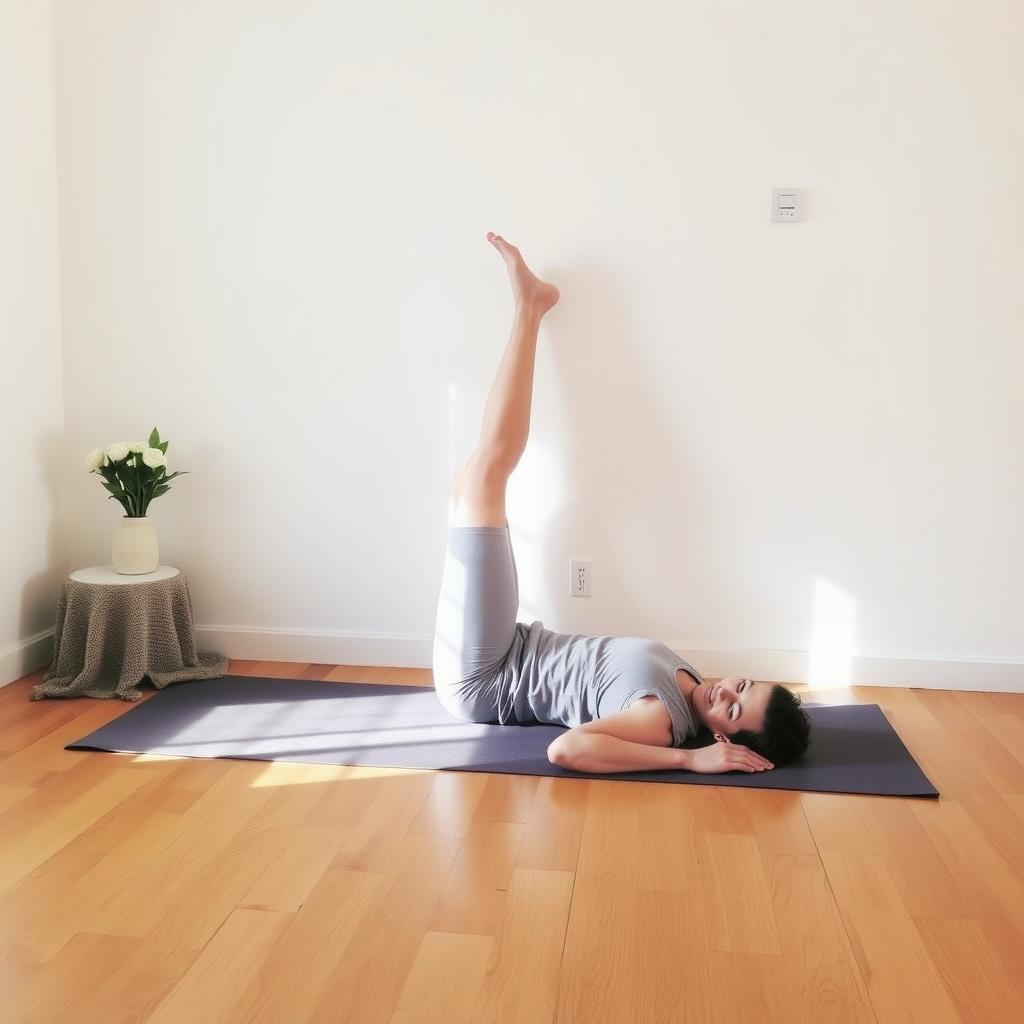
3. Legs-Up-the-Wall Pose: Lie on your back with your legs resting up a wall. This one’s my go-to when I’m feeling drained—it’s like a mini-vacation for your body.
These poses are simple but powerful. I started doing them in my living room, and they’ve become my go-to when life feels chaotic.
Stress Management for Physical Symptoms
Stress doesn’t just mess with your mind—it can wreak havoc on your body. I’ve experienced headaches, tight muscles, and even nausea during stressful times. Yoga can help with stress management for physical symptoms by relaxing tense muscles and improving circulation. For example, forward folds like Uttanasana can ease headaches by increasing blood flow to the head. The National Institute of Health notes that yoga may reduce symptoms like insomnia, back pain, and digestive issues caused by stress. I’ve noticed that after a 20-minute yoga session, my shoulders feel looser, and my stomach settles. It’s not a cure-all, but it’s a solid tool for managing physical discomfort.
If you’re dealing with chronic symptoms, always check with a doctor. But yoga can complement medical advice by giving your body a chance to reset. For instance, deep breathing in yoga can calm the vagus nerve, which helps regulate digestion and heart rate. This has been a game-changer for me when stress makes me feel physically off.
Natural Remedies for Chronic Vomiting
Chronic vomiting is a serious symptom that needs medical attention, but stress can sometimes contribute to digestive issues. Yoga can be one of the natural remedies for chronic vomiting by calming the nervous system and reducing stress-related triggers. Poses like Seated Forward Bend or gentle twists can stimulate digestion and ease nausea. I’ve found that combining yoga with hydration and small, bland meals helps when my stomach acts up. The Cleveland Clinic suggests that stress management techniques, including yoga, can support digestive health. Always consult a healthcare provider for persistent issues, but yoga can be a gentle, supportive practice alongside medical care.
Building a Stress-Relief Yoga Routine
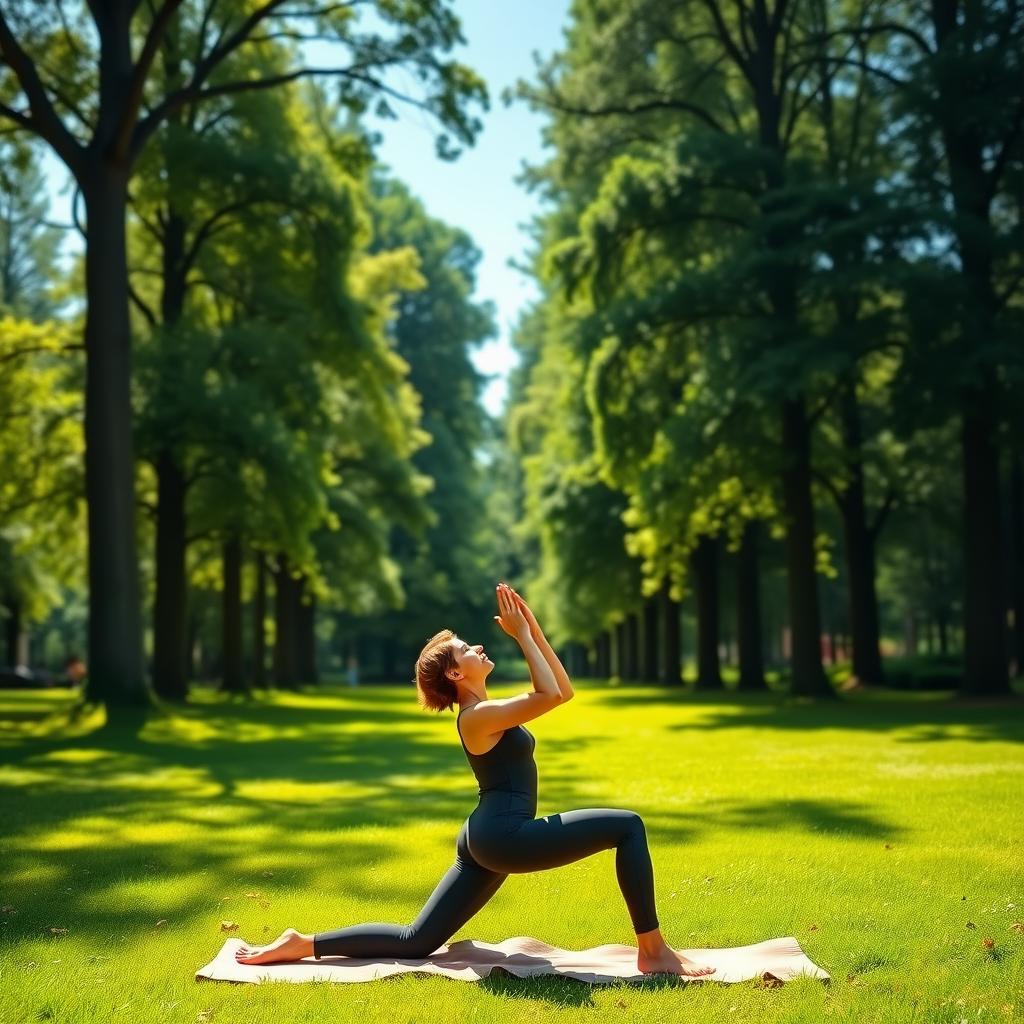
Starting a yoga practice doesn’t have to be intimidating. Here’s how I built my routine:
- Set a Time: I do 15 minutes in the morning to start my day calmly.
- Choose a Space: A quiet corner of my apartment works fine; no studio needed.
- Start Small: Begin with 2-3 poses and gradually add more.
- Use Resources: Free YouTube videos or apps like Down Dog are great for beginners.
I’ve learned that even a short session can shift my mood. The key is to listen to your body and not push too hard. Over time, yoga has become my anchor, helping me stay grounded no matter what life throws my way.
Summary: Embrace Yoga for Lasting Calm
Yoga Basics for Stress Relief is more than a trend—it’s a practical way to manage stress and feel better in your body and mind. By combining simple poses, mindful breathing, and regular practice, you can find everyday calm and tackle physical symptoms of stress. Start small, stay consistent, and let yoga guide you to a more balanced life.

Discuss Here