Overview: A Path to Energy Through Diet
Chronic fatigue can feel like an endless battle, draining your energy and making daily tasks overwhelming. For those dealing with Chronic Fatigue Syndrome (CFS) or Chronic FPIES Symptoms, diet plays a critical role in managing symptoms. This guide explores how to use food as a tool to boost energy, reduce fatigue, and improve quality of life. With practical tips and personal insights, you’ll learn how to create a diet that works for you.
Understanding Chronic Fatigue and Diet
Chronic Fatigue Syndrome and Chronic FPIES (Food Protein-Induced Enterocolitis Syndrome) share a common thread: they sap your energy and disrupt your life. Chronic Fatigue leaves you feeling exhausted despite rest, while Chronic FPIES involves severe food sensitivities that can trigger fatigue, nausea, and digestive issues. Both conditions demand careful attention to diet.
I’ve seen friends struggle with these conditions, and one thing stands out: food can either be a friend or a foe. A well-planned diet can stabilize energy levels, reduce inflammation, and support overall health. But where do you start?
Why Diet Matters for Chronic Fatigue
Your body relies on nutrients to function. For those managing chronic fatigue with diet, the goal is to provide steady energy without triggering symptoms. Poor food choices—like processed snacks or sugary drinks—can cause energy crashes or worsen FPIES reactions. On the other hand, nutrient-dense foods support your body’s systems, from digestion to immunity.
Research from the National Institute of Health suggests that anti-inflammatory diets can reduce fatigue in chronic conditions. For Chronic FPIES, avoiding trigger foods is critical to preventing flare-ups that drain energy.

Building a Diet for Chronic Fatigue
Creating a diet to manage chronic fatigue requires intention. Here’s a step-by-step approach based on what’s worked for others and supported by science.
Step 1: Identify Trigger Foods
For those with Chronic FPIES, certain foods—like dairy, soy, or grains—can cause severe reactions. Keeping a food diary helped my friend Sarah pinpoint her triggers. She tracked what she ate, how she felt, and any symptoms that followed. Over time, she avoided problem foods and noticed less fatigue.
Actionable Tip: Start a food diary for two weeks. Note meals, snacks, and symptoms. Look for patterns to identify foods that worsen fatigue or FPIES symptoms.
Step 2: Focus on Nutrient-Dense Foods
Nutrient-dense foods provide steady energy without spikes and crashes. Think whole foods like vegetables, lean proteins, and healthy fats. Here’s a sample daily meal plan:
| Meal | Food Choices |
|---|---|
| Breakfast | Oatmeal with berries and almond butter |
| Lunch | Grilled chicken, quinoa, steamed broccoli |
| Snack | Apple slices with sunflower seed butter |
| Dinner | Baked salmon, sweet potato, sautéed spinach |
These foods are gentle on the stomach and less likely to trigger Chronic FPIES Symptoms. They also provide vitamins like B12 and magnesium, which support energy production.
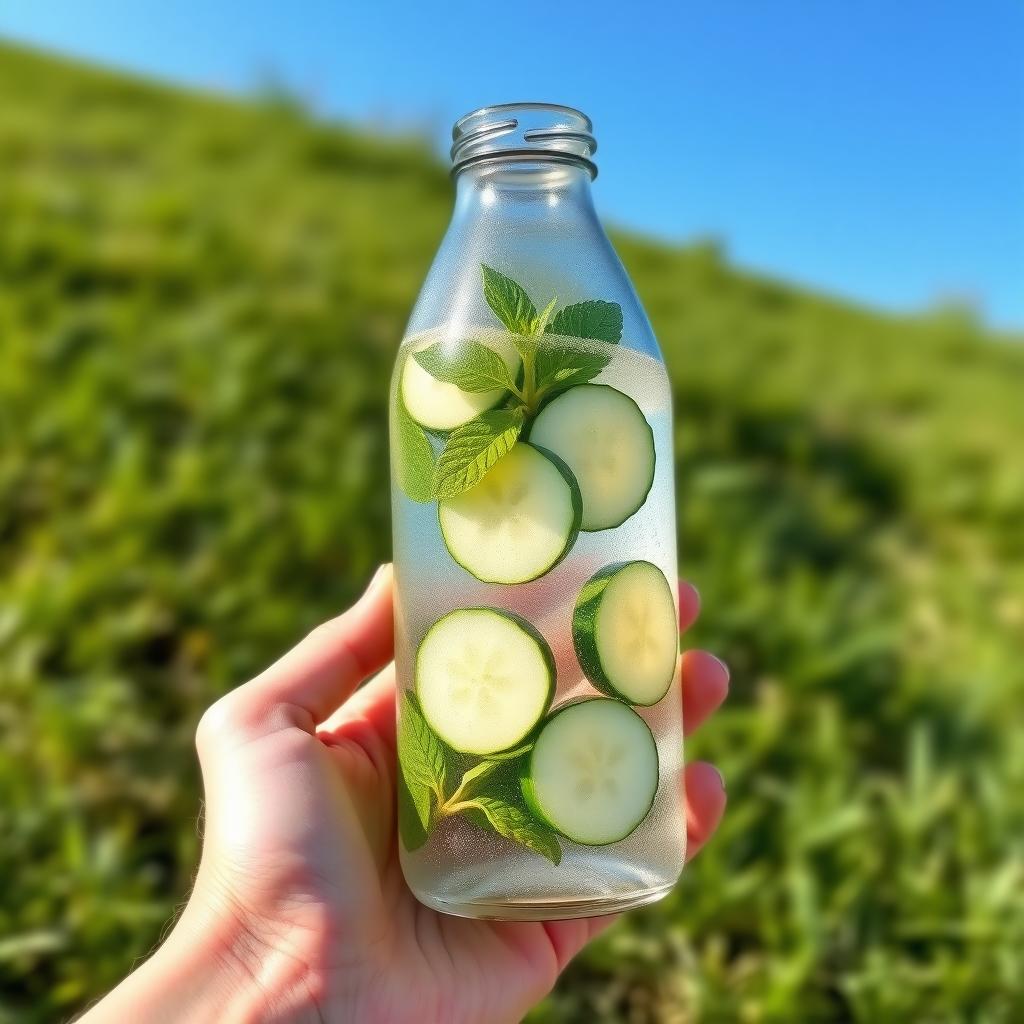
Step 3: Stay Hydrated
Dehydration can worsen fatigue. I learned this the hard way during a busy week when I forgot to drink enough water. My energy tanked, and I felt foggy. Aim for 8-10 cups of water daily, and consider electrolyte-rich drinks like coconut water if you’re active or have FPIES-related digestive issues.
Actionable Tip: Carry a reusable water bottle and set reminders to sip throughout the day.
Special Considerations for Chronic FPIES
Chronic FPIES requires extra caution. Unlike typical food allergies, FPIES reactions can be delayed, making it tricky to pinpoint triggers. Common culprits include rice, oats, and poultry, but triggers vary by person. Working with a dietitian familiar with FPIES can make a difference.
My cousin, who has Chronic FPIES, found relief by following an elimination diet. She removed common triggers for six weeks, then reintroduced foods one at a time. This approach, backed by the American Academy of Allergy, Asthma & Immunology, helped her identify safe foods and reduce fatigue.
Anti-Inflammatory Foods to Include
Inflammation often fuels chronic fatigue. Foods rich in omega-3s, antioxidants, and fiber can help. Try these:
- Fatty fish (salmon, mackerel) for omega-3s
- Berries (blueberries, strawberries) for antioxidants
- Leafy greens (spinach, kale) for vitamins
- Nuts and seeds (almonds, chia seeds) for healthy fats
These foods are generally safe for most with Chronic FPIES, but always check for personal triggers.
Practical Tips for Sustained Energy
Managing chronic fatigue with diet isn’t just about what you eat—it’s about how you eat. Here are some habits that helped people I know:
- Eat small, frequent meals: This prevents energy dips. Aim for 5-6 small meals daily.
- Balance macronutrients: Combine protein, carbs, and fats in every meal for steady energy.
- Avoid sugar spikes: Swap sugary snacks for fruit or nuts to prevent crashes.
- Plan ahead: Prep meals weekly to avoid reaching for processed foods.
One friend found that batch-cooking quinoa bowls saved her time and kept her diet on track.

Challenges and How to Overcome Them
Sticking to a diet for chronic fatigue or Chronic FPIES isn’t easy. Social events, limited food options, and cravings can derail you. I’ve seen people struggle at restaurants, unsure what’s safe to eat. To cope, research menus ahead of time or bring a safe snack.
Another challenge is the emotional toll. Feeling restricted can be frustrating. Joining a support group, like those offered by the FPIES Foundation, can connect you with others who understand.
Summary: Take Control with Diet
Managing chronic fatigue with diet is a powerful way to reclaim energy and improve your life. By identifying trigger foods, focusing on nutrient-dense meals, staying hydrated, and adopting healthy eating habits, you can reduce fatigue and manage Chronic FPIES Symptoms effectively. Start small, be patient, and consult a dietitian for personalized guidance. Your journey to better energy begins with your next meal.

Discuss Here