Overview
Starting a fitness journey can feel overwhelming, but setting clear goals makes it manageable. Whether you're aiming to run your first 5K or get active with family, this guide offers practical steps to succeed. From planning to celebrating progress, let’s dive into setting and achieving fitness goals.
Why Setting Fitness Goals Matters
Goals give direction. Without them, workouts can feel aimless, and motivation fades. A clear goal—like running a 5K race—creates focus. Research from the American Psychological Association shows that specific, measurable goals boost commitment and success. Think of goals as a roadmap: they guide your daily choices, from lacing up your shoes to eating better.
Start by asking yourself what you want. Maybe it’s completing a family fun run or crossing the finish line of your first 5K. Whatever it is, make it personal. Your goal should excite you. Write it down, share it with a friend, or pin it to your fridge. Visibility keeps you accountable.
How to Set Smart Fitness Goals
Effective goals are SMART: Specific, Measurable, Achievable, Relevant, and Time-bound. Instead of saying, “I want to get fit,” try, “I’ll run a 5K race in three months.” This gives you a clear target and deadline. Here’s how to apply SMART principles:
- Specific: Define the goal. “Run a 5K” is clearer than “exercise more.”
- Measurable: Track progress. Log your runs or use a fitness app.
- Achievable: Be realistic. If you’re new to running, aim for a 5K, not a marathon.
- Relevant: Choose goals that matter to you. Love community events? Try family fun runs.
- Time-bound: Set a deadline, like signing up for a local 5K race.
A 2019 study from the Journal of Sports Sciences found that runners with specific goals improved performance faster than those without. Break your goal into smaller steps, like running 10 minutes daily, then build from there.

Training Tips for Your First 5K Race Experience
Running a 5K (3.1 miles) is a fantastic goal for beginners. It’s achievable yet challenging, and 5K races are often welcoming to all skill levels. Here’s how to prepare for your first 5K race experience:
- Start Slow: Begin with a mix of walking and running. Try the Couch to 5K program, which gradually builds endurance over 8-12 weeks.
- Schedule Runs: Aim for 3-4 runs per week. Consistency beats intensity for beginners.
- Rest and Recover: Take rest days to avoid injury. Stretch or do light yoga to stay loose.
- Practice Race Conditions: Run outdoors if your race is outside. Mimic race time (morning or evening) to adjust your body.
- Join a Group: Running clubs or family fun runs offer support and motivation.
The Mayo Clinic emphasizes gradual progression to prevent overuse injuries. If you’re consistent, you’ll be race-ready in no time.
Essential 5K Race Gear
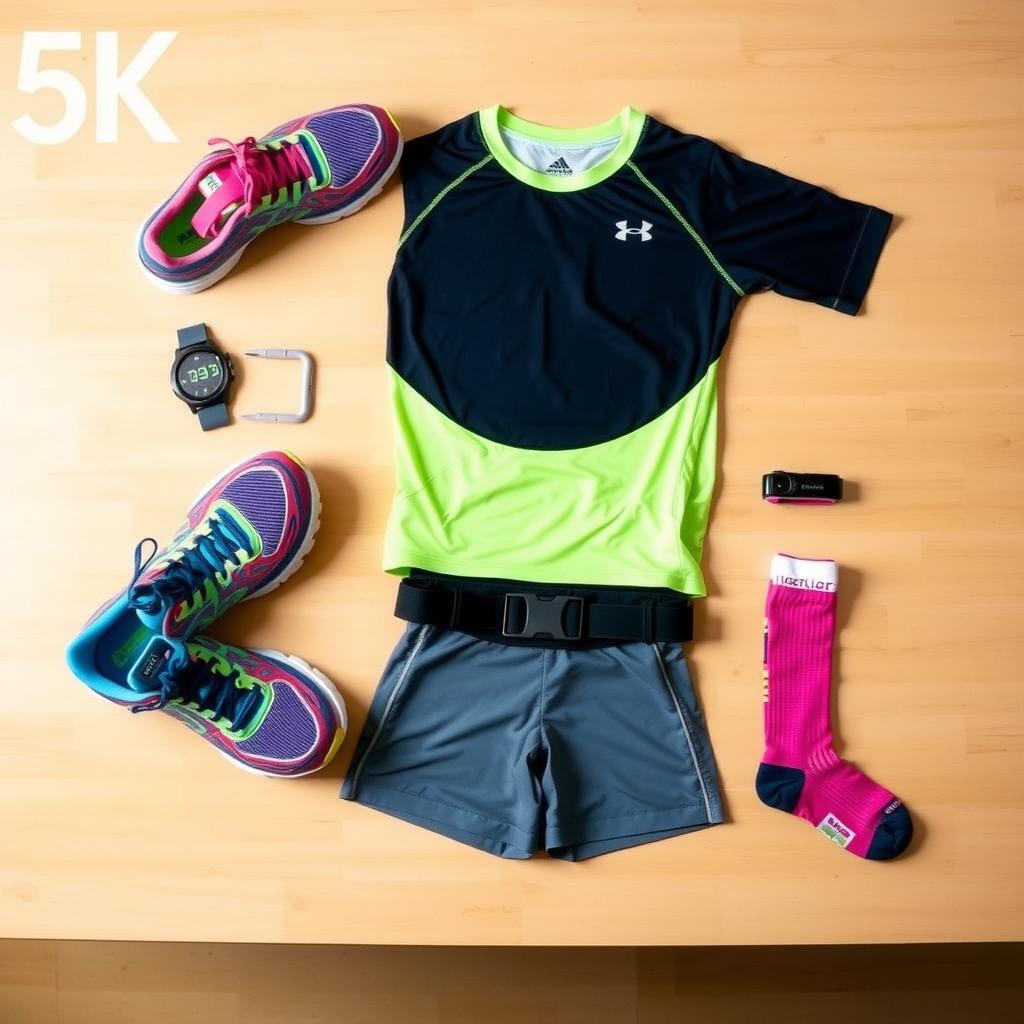
The right gear makes running more comfortable and enjoyable. Here’s a breakdown of 5K race gear essentials:
| Gear | Why It Matters | Recommendation |
|---|---|---|
| Running Shoes | Support and cushioning prevent injuries | Get fitted at a specialty running store |
| Moisture-Wicking Clothing | Keeps you dry and prevents chafing | Choose breathable fabrics like polyester |
| Socks | Prevent blisters | Opt for synthetic or wool blends |
| Hydration Belt | Easy water access for longer runs | Lightweight belt with small bottles |
| Smartwatch or App | Tracks pace and distance | Budget-friendly apps like Strava work well |
Invest in quality shoes first—Runner’s World suggests replacing them every 300-500 miles. For budget runners, thrift stores or sales can yield great finds. Test gear during training to avoid race-day surprises.
Staying Motivated on Your Fitness Journey
Motivation ebbs and flows. To stay on track with setting and achieving fitness goals, try these strategies:
- Celebrate Small Wins: Ran your first mile without stopping? Treat yourself to a smoothie.
- Find a Buddy: A friend or family member can make workouts fun. Family fun runs are perfect for this.
- Mix It Up: Add variety with cross-training like cycling or swimming to avoid boredom.
- Track Progress: Use a journal or app to see how far you’ve come.
- Visualize Success: Picture crossing the 5K finish line. It’s a powerful motivator.
I’ve found that signing up for a race keeps me accountable. Last year, I ran a local 5K with my kids. The energy of the crowd and their cheers pushed me to finish strong. Find what sparks joy for you—it’s a game-changer.
Overcoming Common Challenges
Every fitness journey has hurdles. Here’s how to tackle them:
- Time Constraints: Short on time? Break runs into 10-minute chunks. Even busy days allow for quick workouts.
- Soreness: Mild soreness is normal. Use foam rollers or warm baths for relief. See a doctor for persistent pain.
- Plateaus: Stuck? Increase distance or speed gradually. Try interval training (alternating sprints and walks).
- Lack of Confidence: Feel out of place? Remember, 5K races welcome beginners. Everyone starts somewhere.
A 2020 study from the National Institute of Health found that social support—like running with friends or family—reduces dropout rates. Lean on your community to stay committed.
Making Fitness a Family Affair
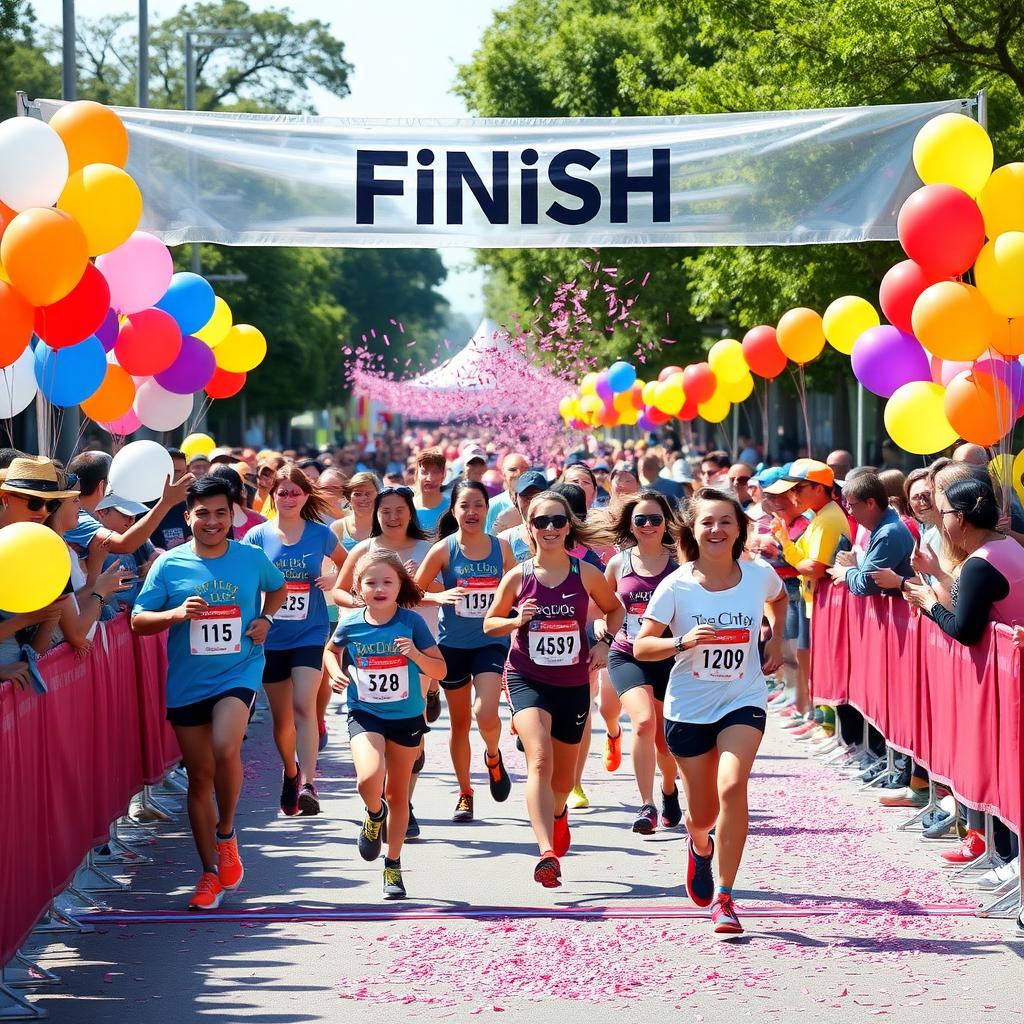
Family fun runs are a fantastic way to bond and stay active. Many 5K races offer shorter distances (1K or 2K) for kids or less experienced runners. Involve your family by:
- Choosing a local event with a festive vibe, like charity runs.
- Training together with short jogs or walks in the park.
- Setting team goals, like finishing together or raising funds.
My family’s first fun run was a blast. The kids loved the medals, and we made memories that still motivate us. Check local event listings for beginner-friendly races near you.
Summary
Setting and achieving fitness goals is about clarity, consistency, and community. Start with a SMART goal, like running a 5K, and build a plan with proper gear and training. Stay motivated by celebrating progress and involving family or friends. With the right mindset and tools, you’ll cross that finish line feeling unstoppable.

Discuss Here