Overview: Unlocking Calm with Tai Chi
Tai Chi, an ancient Chinese practice, combines slow, flowing movements with deep breathing and mindfulness. Known as Tai Chi for Stress Relief and Mental Clarity, it’s a low-impact exercise that soothes the mind and body. This guide explores its benefits, basics, and how beginners can start.
What Is Tai Chi and Why Does It Work?
Tai Chi, often called 'moving meditation,' originated centuries ago as a martial art. Today, it’s celebrated for its health benefits, particularly for stress relief and mental clarity. Its gentle, deliberate movements reduce cortisol levels, the stress hormone, while promoting focus and calm. Unlike high-intensity workouts, Tai Chi is accessible to all ages and fitness levels, making it a perfect fit for beginners and seniors alike.
I first tried Tai Chi during a particularly hectic time in my life. Work deadlines and family responsibilities left me frazzled. A friend suggested a local class, and I was skeptical—how could slow movements help? After one session, I felt lighter, like my mind had hit a reset button. The combination of rhythmic motion and focused breathing was surprisingly powerful.
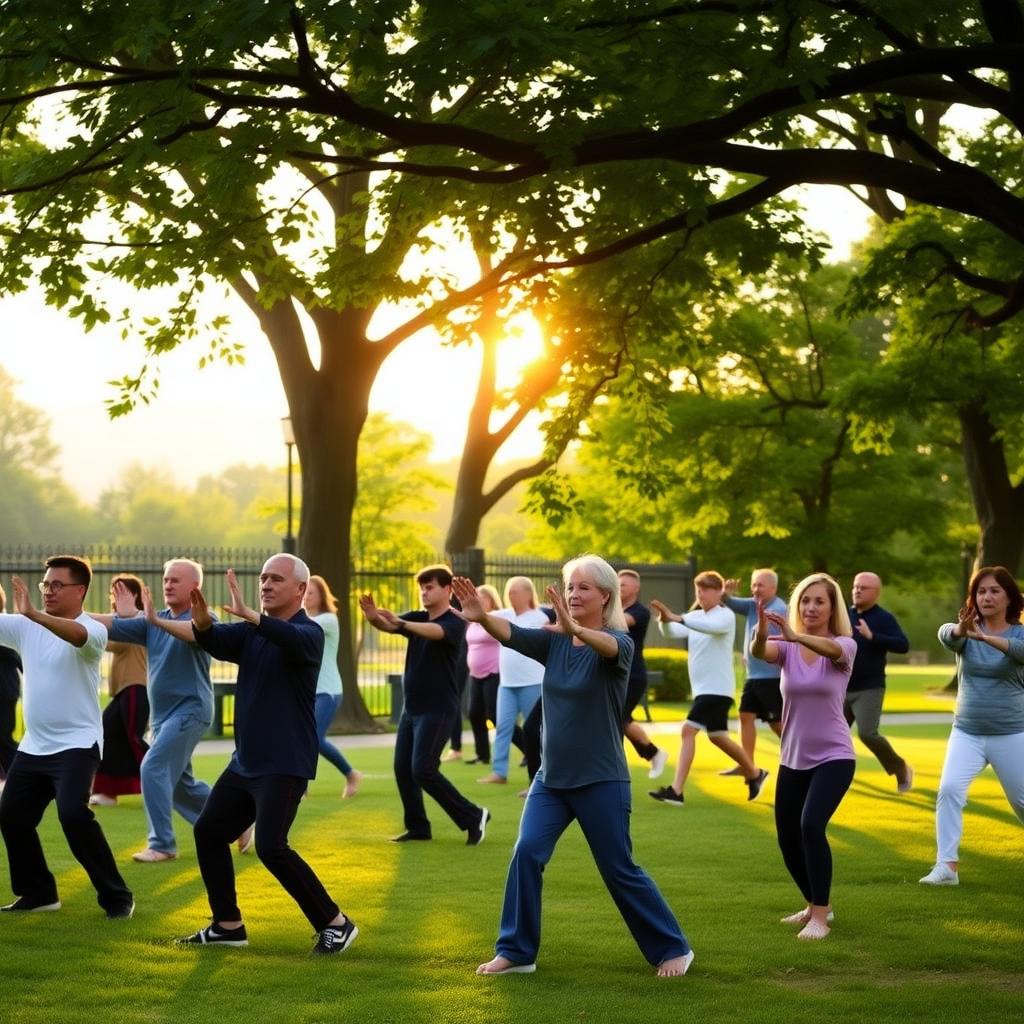
The Science Behind Tai Chi for Stress Relief
Research backs Tai Chi’s effectiveness. A study from Harvard Medical School found that Tai Chi reduces anxiety and improves mood by activating the parasympathetic nervous system, which calms the body. It also enhances blood flow, delivering oxygen to the brain, which sharpens mental clarity. For those new to exercise, Tai Chi’s low-impact nature makes it an ideal starting point.
Tai Chi Basics for Beginners: Getting Started
If you’re new to Tai Chi, don’t worry—it’s beginner-friendly. The practice involves slow, flowing movements called forms, paired with deep breathing. Each form flows into the next, creating a meditative rhythm. You don’t need fancy equipment—just comfortable clothes and a quiet space. Here’s how to begin:
- Find a Class or Online Tutorial: Local community centers or gyms often offer Tai Chi classes. Online platforms like YouTube have beginner-friendly videos. Look for instructors certified by organizations like the Tai Chi for Health Institute.
- Start with Simple Forms: Begin with basic movements like 'Wave Hands Like Clouds' or 'Grasp the Sparrow’s Tail.' These build coordination and balance.
- Practice Regularly: Aim for 10-15 minutes daily. Consistency is key to reaping mental and physical benefits.
- Focus on Breathing: Inhale deeply through your nose, exhale through your mouth. This enhances relaxation.
When I started, I felt clumsy trying to mimic the instructor’s graceful moves. But the beauty of Tai Chi is that it’s not about perfection. It’s about moving with intention. Over time, I noticed my posture improved, and my mind felt less cluttered.
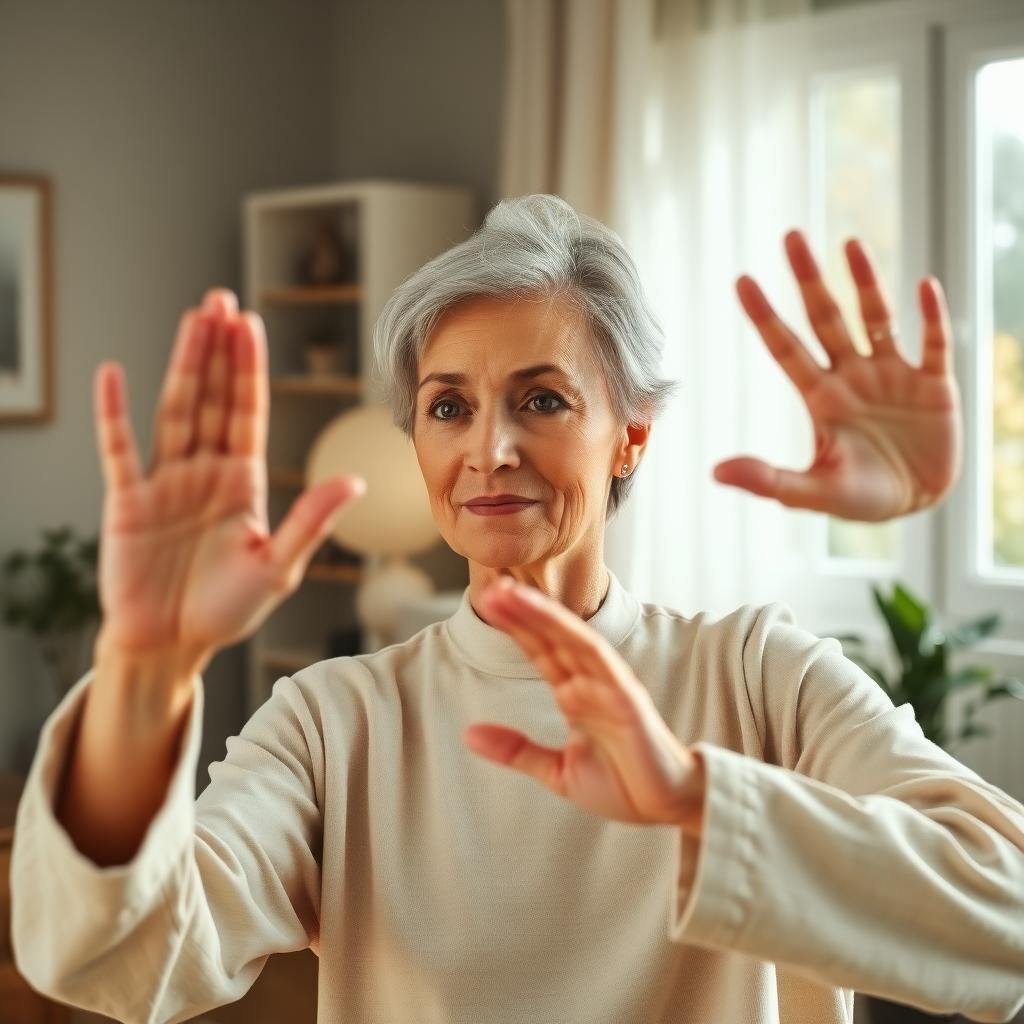
Tai Chi as a Low-Impact Cardio Workout for Seniors
For seniors, Tai Chi doubles as a low-impact cardio workout. It gently raises the heart rate without stressing joints, making it ideal for those with arthritis or mobility issues. According to the National Institute on Aging, Tai Chi improves balance, reducing fall risk by 45% in older adults. It’s a safe way to stay active while calming the mind.
My aunt, in her late 70s, joined a Tai Chi class after a knee injury sidelined her from walking long distances. She was amazed at how it kept her active without pain. She also slept better and felt less anxious—proof that low-impact cardio workouts for seniors can be transformative.
Integrating Tai Chi into a Beginner’s Fitness Program
Tai Chi fits seamlessly into a Beginner’s Guide to Building a Fitness Program. It complements other exercises like stretching or light strength training. Here’s a sample weekly plan for beginners incorporating Tai Chi:
| Day | Activity | Duration |
|---|---|---|
| Monday | Tai Chi | 15 min |
| Tuesday | Light stretching | 10 min |
| Wednesday | Tai Chi | 15 min |
| Thursday | Cardio Workouts for Beginners: Starting Slow and Steady (e.g., brisk walking) | 20 min |
| Friday | Tai Chi | 15 min |
| Saturday | Strength training (bodyweight exercises) | 15 min |
| Sunday | Rest or gentle yoga | 10 min |
This balanced approach ensures variety while keeping stress low. Tai Chi’s mindfulness aspect also helps you stay committed to your fitness goals by reducing mental fatigue.
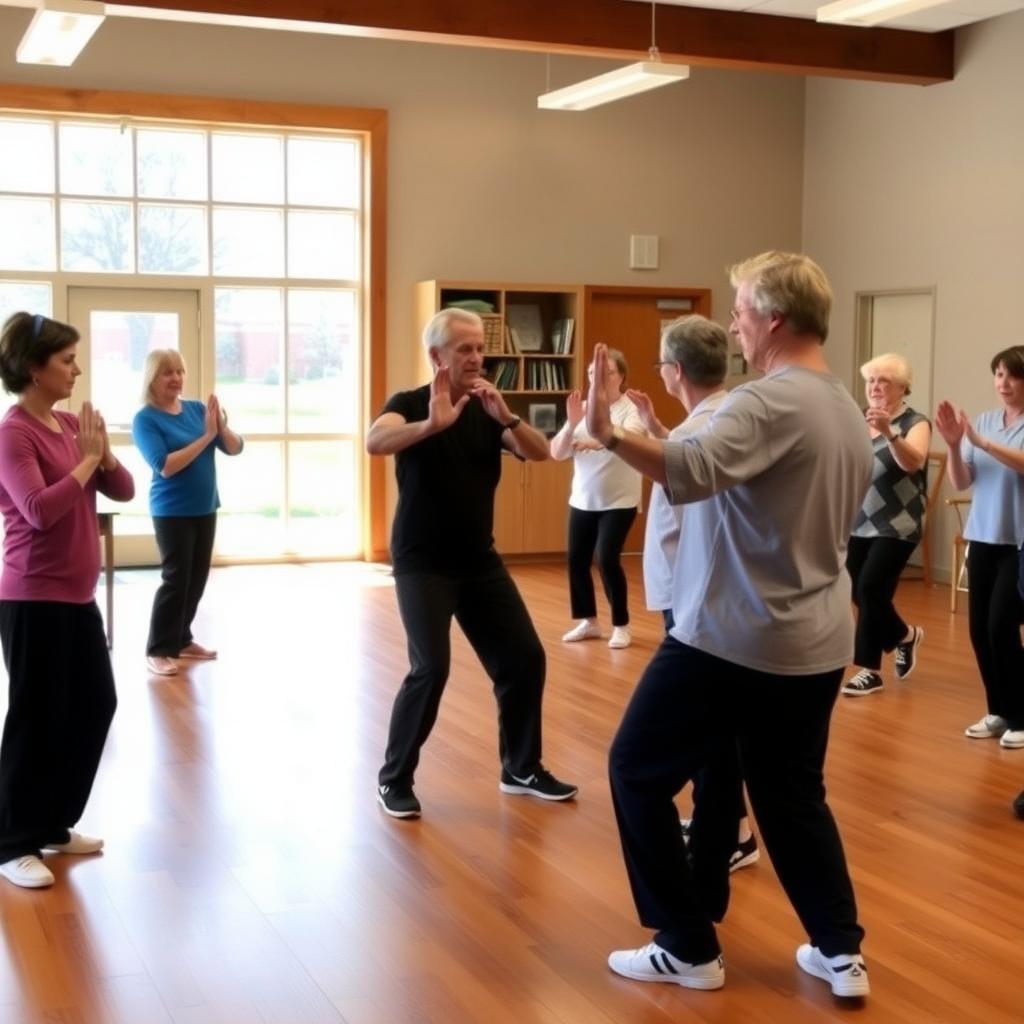
Mental Clarity Through Mindful Movement
Tai Chi’s biggest draw is its ability to clear mental fog. By focusing on each movement and breath, you quiet racing thoughts. A study from the University of Wisconsin showed that regular Tai Chi practice improves cognitive function, especially in older adults. It’s like a workout for your brain and soul.
Personally, I find Tai Chi sessions feel like a mental vacation. On tough days, even 10 minutes of practice helps me refocus. It’s not about escaping stress but learning to move through it with grace.
Tips for Sustaining Your Tai Chi Practice
To make Tai Chi a habit, start small and stay patient. Here are practical tips:
- Set a Routine: Practice at the same time daily, like morning or before bed.
- Join a Community: Group classes foster accountability and connection.
- Track Progress: Note how you feel after each session to stay motivated.
- Mix It Up: Combine Tai Chi with other low-impact cardio workouts for seniors or beginners to keep things fresh.
Summary: Embrace Tai Chi for a Calmer, Clearer You
Tai Chi for Stress Relief and Mental Clarity is more than exercise—it’s a path to balance. Its gentle movements and focus on breathing make it ideal for beginners and seniors. By integrating Tai Chi into a fitness program, you can reduce stress, boost clarity, and enjoy a healthier life. Start today, and feel the calm unfold.

Discuss Here