Overview
Mindfulness practices for everyday wellness help you stay present and reduce stress in daily life. This guide covers simple techniques, including physical activities like Tai Chi, to build a balanced routine for better mental and physical health.
Understanding Mindfulness
Mindfulness means paying attention to the present moment without judgment. It helps you notice your thoughts and feelings as they happen. Many people start with short sessions each day. You can practice while eating, walking, or even brushing your teeth.
Research from the American Psychological Association shows that mindfulness lowers anxiety and improves focus. Start by setting aside five minutes in the morning. Sit quietly and focus on your breath. If your mind wanders, gently bring it back. This builds a strong foundation for wellness.
Over time, these habits create a sense of calm. I remember when I first tried mindfulness during a busy work week. It felt awkward at first, but soon I noticed less tension in my shoulders. Small changes like this add up to big improvements in daily life.
Simple Daily Mindfulness Practices
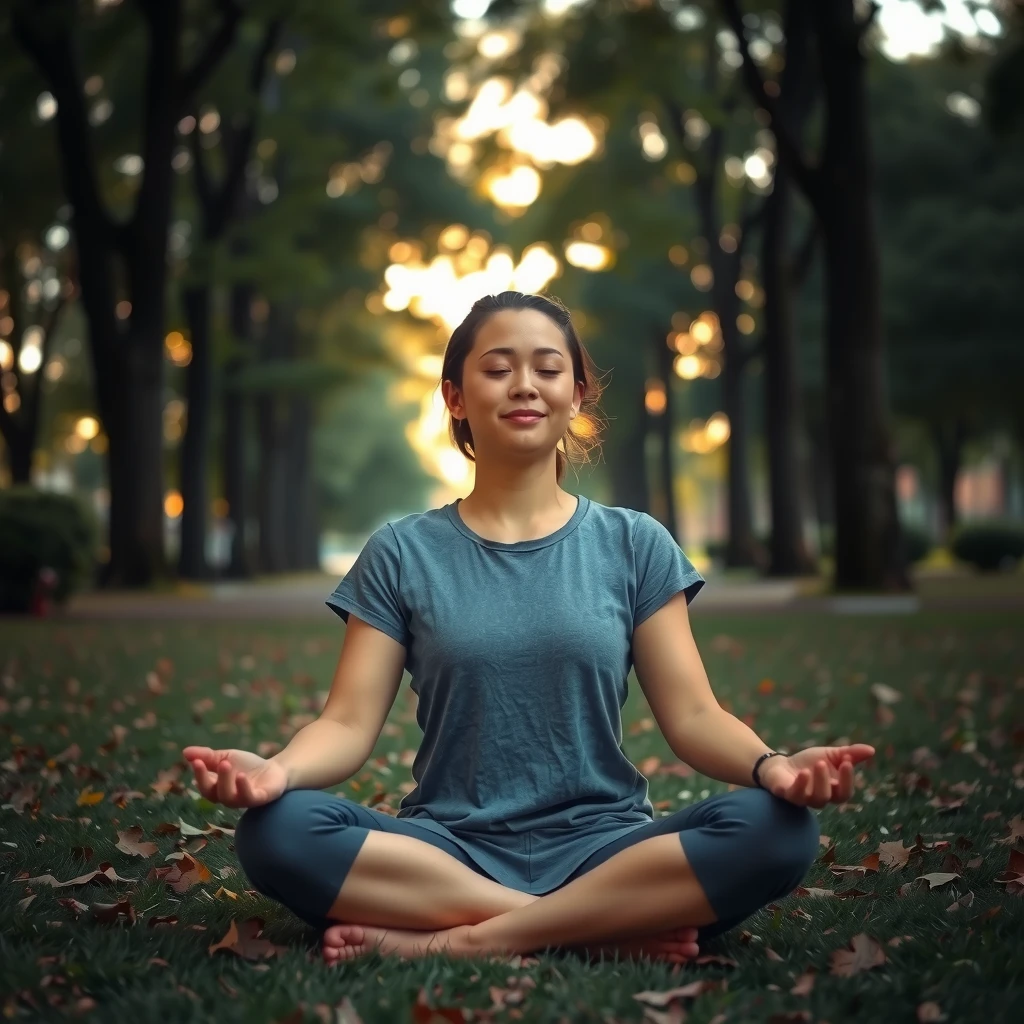
Incorporate mindfulness into your routine with easy steps. Try mindful breathing: Inhale for four counts, hold for four, exhale for four. Do this during breaks at work.
Another practice is body scanning. Lie down and focus on each part of your body from toes to head. Notice any tightness and let it go. This takes about 10 minutes and relaxes you before bed.
Eating mindfully means savoring each bite. Turn off distractions and taste the flavors. These practices fit into busy schedules and promote everyday wellness.
From my experience, journaling helps too. Write three things you're grateful for each night. It shifts your focus to positive aspects and builds resilience. Studies from Harvard Health support this, linking gratitude to better mood and sleep.
Exploring Tai Chi Basics for Beginners
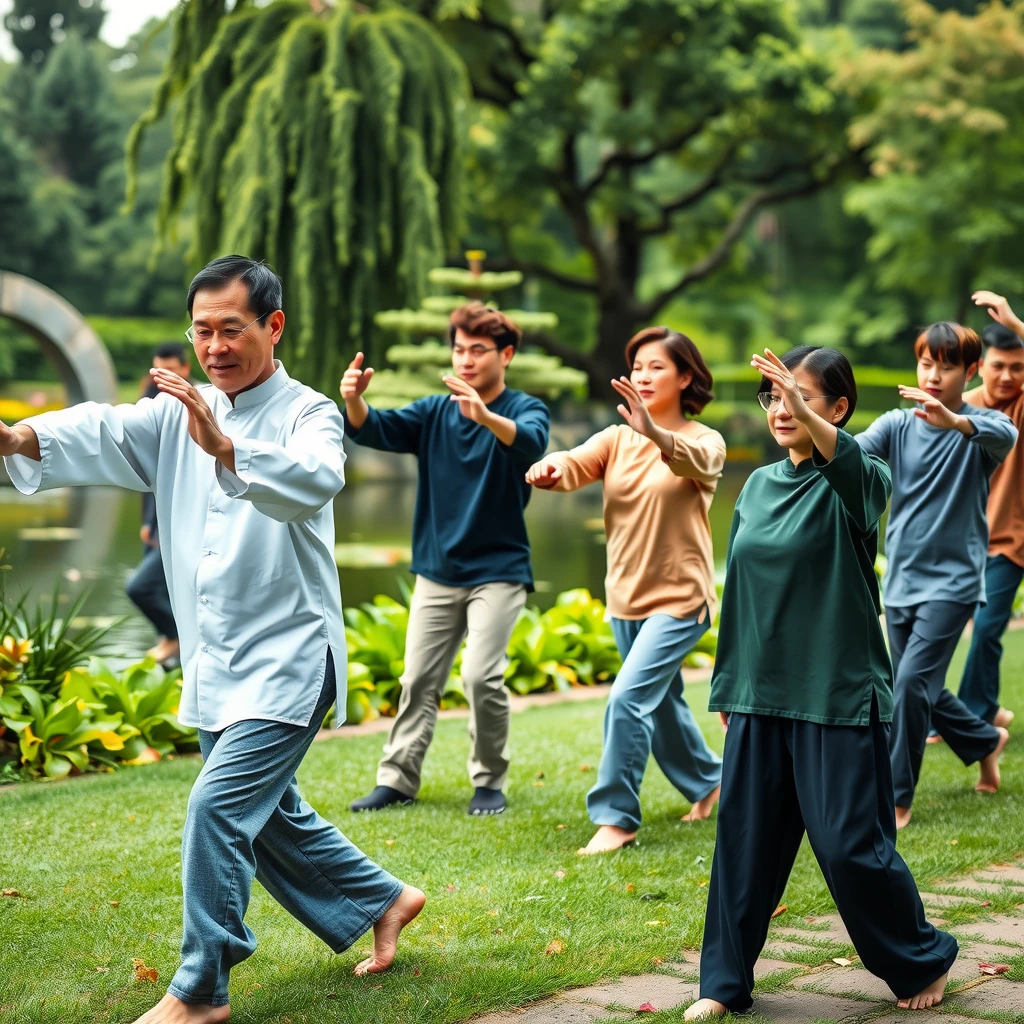
Tai Chi offers a gentle way to combine movement with mindfulness. As a beginner, start with basic poses like 'ward off' or 'grasp the bird's tail.' These slow movements improve balance and flow energy through your body.
Find a quiet space and wear comfortable clothes. Follow online videos from sources like the Mayo Clinic for guidance. Practice for 15 minutes daily. Tai Chi basics for beginners make it accessible without needing special equipment.
I tried Tai Chi during a stressful period and felt more grounded. The fluid motions helped me stay present, turning exercise into a mindful ritual.
Tai Chi for Stress Relief and Mental Clarity
Tai Chi stands out for stress relief and mental clarity. Its deliberate paces sync breath with motion, calming the mind. Regular practice reduces cortisol levels, as noted in a Journal of Alternative and Complementary Medicine study.
Focus on your center while moving. This builds awareness and clears mental fog. For everyday wellness, add Tai Chi to your mornings. It complements other mindfulness practices by adding a physical element.
In my routine, Tai Chi sessions leave me refreshed. I handle challenges better, with sharper focus throughout the day.
Beginner’s Guide to Building a Fitness Program
Building a fitness program ties into mindfulness by promoting overall wellness. As a beginner, set realistic goals like exercising three times a week. Mix mindfulness with movement for best results.
Start with a warm-up, then core activities, and cool down. Track progress in a journal. Include rest days to avoid burnout. This beginner’s guide to building a fitness program emphasizes listening to your body.
I built my program slowly, starting with walks. Adding mindfulness made workouts enjoyable, not chores.
Cardio Workouts for Beginners: Starting Slow and Steady
Cardio workouts for beginners: starting slow and steady prevents injury. Begin with brisk walking for 20 minutes. Gradually increase intensity.
Incorporate mindfulness by noticing your surroundings during walks. This turns cardio into a meditative practice. Aim for 150 minutes of moderate activity weekly, per CDC guidelines.
Options include swimming or cycling. Choose what you enjoy to stay consistent.
My first cardio attempts were short walks. Focusing on breath made them relaxing, boosting my energy.

Combining Mindfulness with Physical Activity
Blend mindfulness practices for everyday wellness with exercise. During workouts, stay present in your body. Notice how muscles feel and adjust as needed.
This approach enhances benefits. A study from the University of California found mindful exercise improves mood more than regular workouts.
Create a routine: Meditate, then do Tai Chi or cardio. End with reflection.
Personally, this combination transformed my wellness. I feel balanced, with less stress and more joy.
Overcoming Common Challenges
Challenges like distractions arise. Set a timer for practices. If motivation dips, pair activities with enjoyable things, like music during walks.
Be patient. Progress comes with consistency. Seek community support through apps or classes.
I faced setbacks but persisted. Small wins kept me going.
Summary
Mindfulness practices for everyday wellness, including Tai Chi and beginner cardio, foster mental and physical health. Start small, stay consistent, and enjoy the journey. You'll notice improved clarity and reduced stress over time.

Discuss Here