Overview
Tai Chi is a gentle, flowing practice that combines movement, meditation, and breathing to promote health and harmony. Perfect for all ages, Tai Chi for Beginners: A Step-by-Step Guide makes it easy to start. This article explores how Tai Chi fosters family wellness, offering practical steps and insights to bring balance to your household.
What Is Tai Chi?
Tai Chi, often called 'moving meditation,' is an ancient Chinese practice rooted in martial arts. It involves slow, deliberate movements paired with deep breathing and mindfulness. Unlike high-intensity workouts, Tai Chi is low-impact, making it ideal for beginners and families. Its focus on balance and calm appeals to both kids and adults, creating a shared activity that strengthens bonds.
I first tried Tai Chi at a community center with my family. We were skeptical—could slow movements really make a difference? After one session, we felt relaxed yet energized. The kids loved mimicking the flowing motions, and we all left smiling. That experience showed me Tai Chi’s power to unite and uplift.
The Benefits of Tai Chi for Families
Tai Chi offers unique advantages for families looking to improve health and connection. Here are some key benefits:
- Physical Health: Improves balance, flexibility, and strength. A study from Harvard Medical School shows Tai Chi reduces fall risks in older adults by up to 50%.
- Mental Clarity: Reduces stress and anxiety through mindful breathing. Kids and parents alike can find calm amidst busy schedules.
- Family Bonding: Practicing together builds teamwork and shared goals, fostering family wellness.
- Accessibility: No equipment needed, and movements can be adapted for all ages and abilities.
Getting Started: Tai Chi for Beginners
Ready to try Tai Chi? Here’s a step-by-step guide to help beginners and families start practicing:
Step 1: Choose a Space
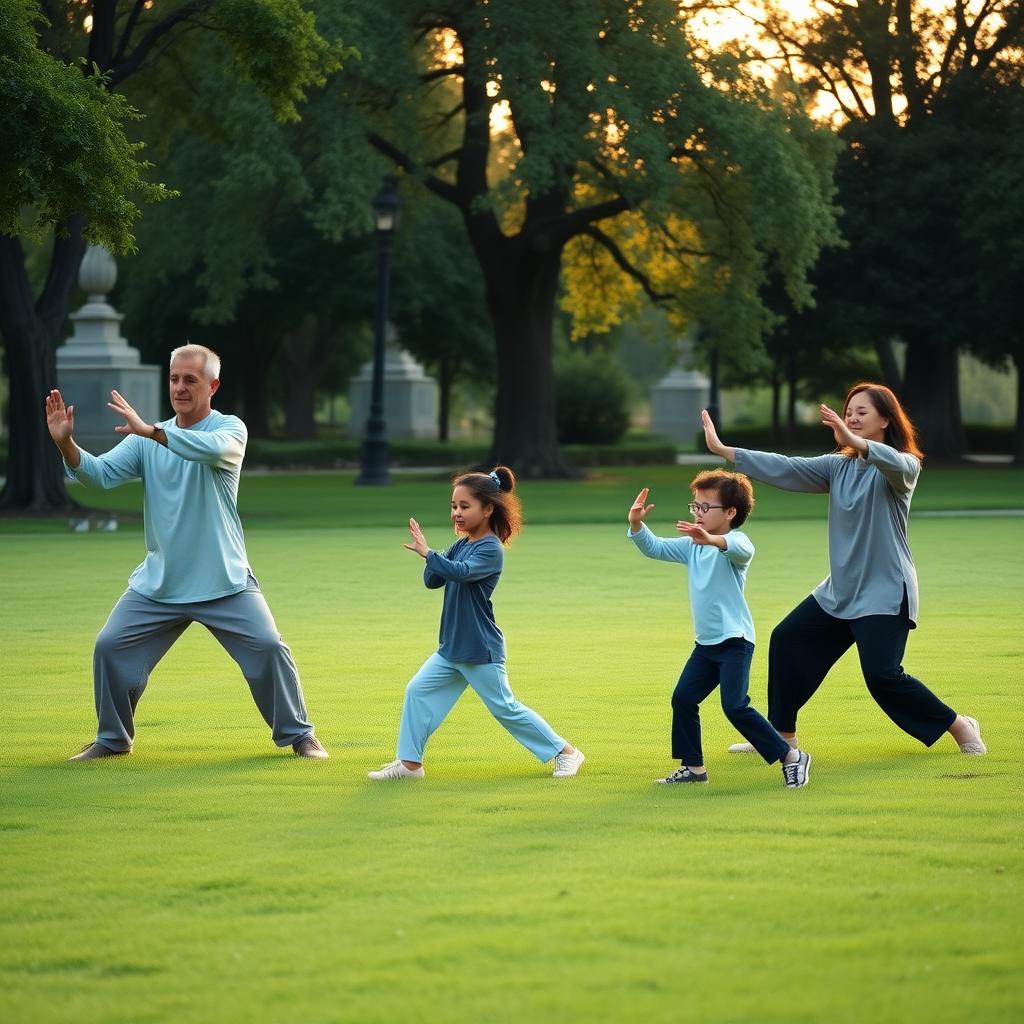
Find a quiet, open area—your living room, backyard, or a local park works great. Ensure there’s enough room to move without obstacles.
Step 2: Wear Comfortable Clothing
Opt for loose, breathable clothes. Sneakers or bare feet work fine. The goal is comfort, so everyone feels at ease.
Step 3: Learn Basic Movements
Start with simple moves like 'Parting the Wild Horse’s Mane' or 'Grasp the Sparrow’s Tail.' These are beginner-friendly and easy to follow. You can find free tutorials on platforms like The National Center for Complementary and Integrative Health.
Step 4: Practice Breathing
Tai Chi pairs movement with deep, slow breaths. Inhale through your nose as you begin a move, and exhale through your mouth as you complete it. Teach kids to 'breathe like they’re blowing out candles.'
Step 5: Start Small
Begin with 5-10 minute sessions, 2-3 times a week. Gradually increase as you get comfortable. Consistency matters more than duration.
Building a Family Wellness Plan with Tai Chi
Incorporating Tai Chi into a family wellness plan creates lasting habits. Here’s how to make it work:
- Set a Schedule: Pick a time that suits everyone—mornings before school or evenings after dinner. Even 15 minutes can make a difference.
- Involve Everyone: Let kids choose music or lead a move. This keeps them engaged and makes it fun.
- Track Progress: Use a journal to note how everyone feels after sessions. Did you sleep better? Feel calmer? This builds motivation.
- Mix It Up: Combine Tai Chi with other activities like walking or yoga for a balanced family wellness routine.
Our family started with short sessions in the backyard. The kids giggled at first, but soon they were asking to do Tai Chi before bed. It became our way to unwind and connect.

Common Challenges and Solutions
Starting Tai Chi can feel daunting, but these tips address common hurdles:
| Challenge | Solution |
|---|---|
| Kids lose interest | Make it playful—pretend moves are animal-inspired (e.g., 'Crane Kick'). |
| Time constraints | Integrate Tai Chi into daily routines, like a 5-minute morning stretch. |
| Difficulty learning moves | Use online videos or join a local class. The American Tai Chi and Qigong Association lists certified instructors. |
| Lack of motivation | Set small goals, like mastering one move per week. Celebrate progress! |
Tai Chi for Family Wellness and Harmony
Tai Chi’s real magic lies in its ability to bring families together. Practicing tai chi for family wellness and harmony creates shared moments of calm and connection. Unlike competitive sports, Tai Chi emphasizes cooperation, making it perfect for mixed-age groups. A study from the University of California found that group Tai Chi practice boosts mood and reduces stress by 30% in participants.
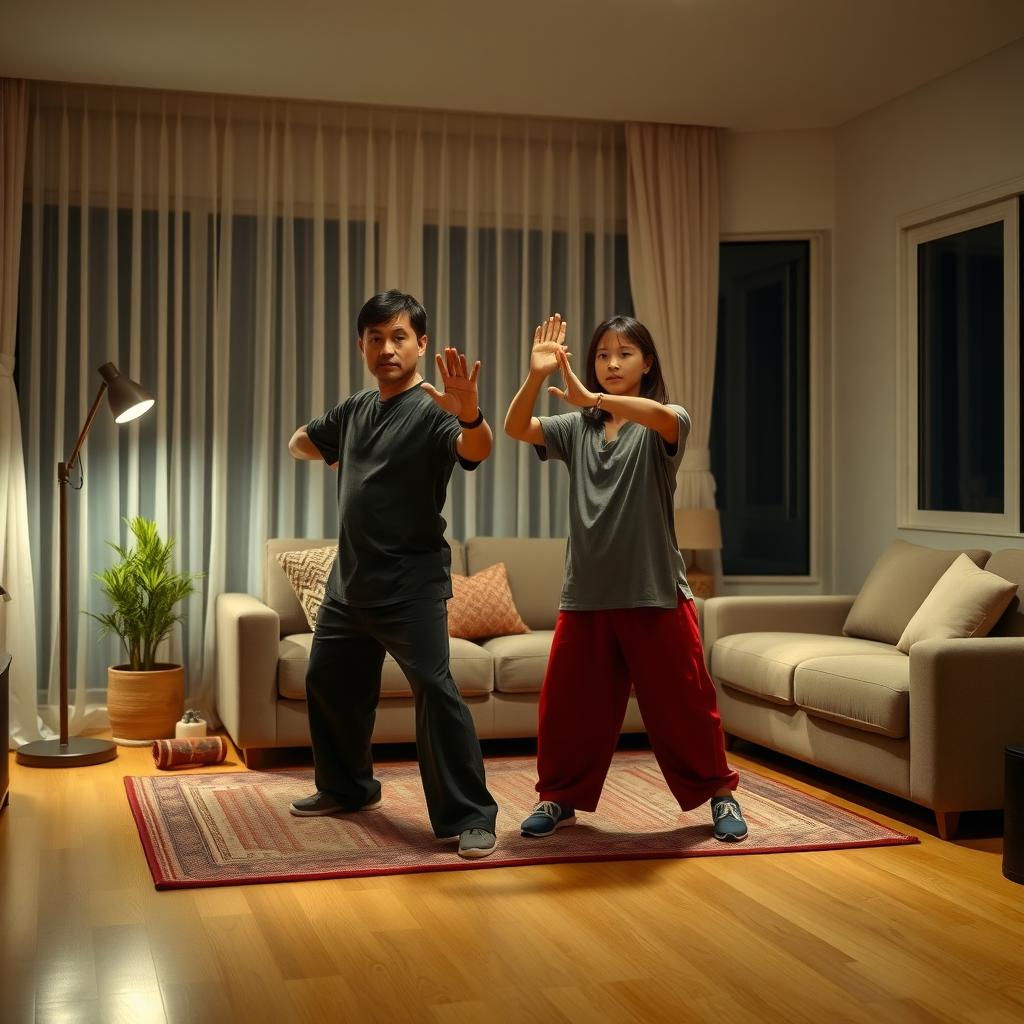
In my family, Tai Chi became a ritual. After a long day, we’d gather in the living room, dim the lights, and move together. The kids stopped arguing, and we all felt grounded. It’s not just exercise—it’s a way to nurture family wellness.
Tips for Long-Term Success
To make Tai Chi a lasting part of your family wellness plan: - Stay Patient: Progress is gradual. Focus on enjoying the process, not perfection. - Join a Community: Local Tai Chi groups or online forums offer support and inspiration. - Celebrate Milestones: Acknowledge when you master a new form or feel healthier. Small wins keep everyone motivated. - Adapt as Needed: Modify moves for physical limitations. Tai Chi is inclusive for all abilities.
My family now practices Tai Chi weekly. It’s not always perfect—sometimes the kids get silly or we skip a day—but it’s our time to reconnect. That’s what makes it special.
Summary
Tai Chi for Beginners: A Step-by-Step Guide offers a simple way to boost family wellness. Its gentle movements, focus on breathing, and adaptability make it perfect for all ages. By practicing together, families can build stronger bonds, reduce stress, and create lasting health habits. Start small, stay consistent, and enjoy the journey toward tai chi for family wellness and harmony.

Discuss Here