Food Protein-Induced Enterocolitis Syndrome (FPIES) affects thousands of families worldwide. Researchers now focus on uncovering its causes, developing reliable tests, and finding new ways to manage it. The future looks promising as studies build on recent guidelines and patient registries.
FPIES is a non-IgE-mediated food allergy that causes severe vomiting and dehydration hours after eating trigger foods. It often starts in infancy but can persist or even appear in adults. Recent years have seen more awareness, thanks to international guidelines and advocacy groups.
Current Challenges in FPIES
Diagnosing FPIES remains tricky because no simple blood or skin test exists. Doctors rely on symptoms and history. Oral food challenges confirm it but carry risks.
Patients with chronic FPIES face ongoing issues like poor weight gain when triggers stay in the diet. Resources like Chronic FPIES: A Guide for Patients by the FPIES Foundation help families recognize symptoms early and manage daily life.

Innovations in Allergy Testing: What's New?
Experts explore biomarkers and safer challenge protocols. Studies at places like NYU and Mount Sinai test new oral food challenge methods to make them less stressful.
In Latest Research in Allergy and Immunology, scientists highlight gut immune responses and possible T-cell roles. Basophil and mast cell tests show promise, though not ready for widespread use yet.
A major NIAID workshop outlined priorities: large epidemiologic studies, comprehensive registries, and multiomic approaches to define phenotypes.
Understanding Chronic FPIES: Recognition and Management
Chronic FPIES often goes unnoticed longer. Symptoms include intermittent vomiting and diarrhea leading to failure to thrive. Removing the trigger resolves issues quickly, but reintroduction can cause acute reactions.
Guidelines stress partnering with allergists and dietitians. Track foods carefully and ensure nutrition during avoidance.

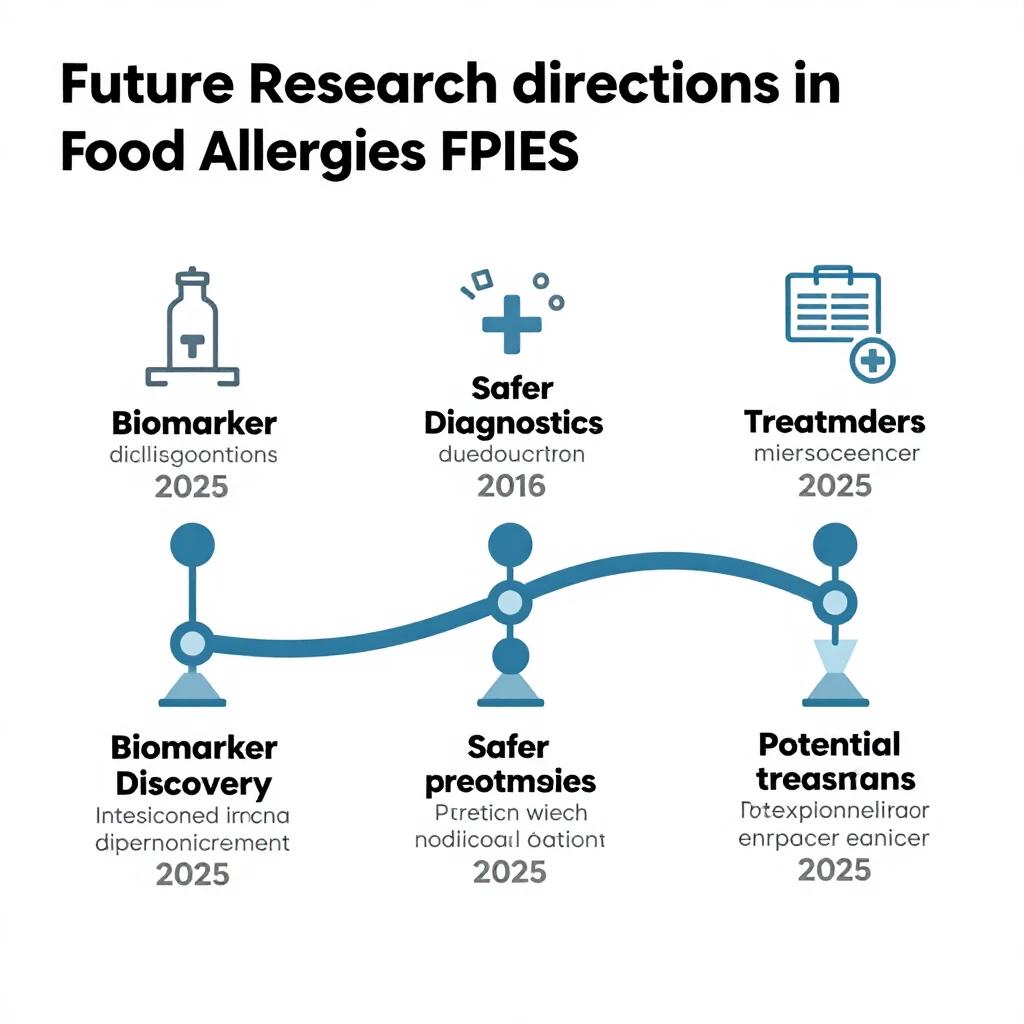
Key Areas for Future Research
Here are priority directions from recent expert reports:
-
Build global registries to track long-term outcomes and genetics.
-
Study microbiome links and immune pathways for potential therapies.
-
Develop non-invasive diagnostics, like blood markers during reactions.
-
Investigate adult-onset FPIES, which differs with triggers like shellfish.
-
Improve oral food challenge safety and standardize protocols.
Large studies show shifting triggers—cow's milk now tops lists in some areas, with egg and peanut emerging.
Patients share stories of hope as kids outgrow FPIES. Registries and surveys capture these experiences to guide research.
Promising Developments on the Horizon
Funding supports diagnostic innovations and rare allergy studies. Collaborations between organizations like I-FPIES and NIAID drive progress.
Researchers aim for personalized management. Understanding endotypes could predict who outgrows FPIES or shifts to IgE-mediated allergy.
Families play a key role by joining registries and surveys. Your voice shapes priorities.
Wrapping Up: A Brighter Future Ahead
What’s Next for FPIES Research holds real promise. From better recognition of chronic forms to groundbreaking diagnostics, advances will ease burdens for patients.
Stay informed and connected. Progress comes from dedicated scientists, advocates, and families working together.
For more details, check these authoritative sources:
-
Current Status and Future Directions in FPIES: NIAID Workshop Report01166-7/fulltext) from the Journal of Allergy and Clinical Immunology.
-
FPIES Resources from The FPIES Foundation.

Discuss Here