Overview
Food Protein-Induced Enterocolitis Syndrome (FPIES) is a rare but serious non-IgE-mediated food allergy that mainly affects infants and young children. Unlike typical allergies, reactions are delayed, often causing severe vomiting and dehydration hours after eating trigger foods. This guide helps parents navigate safe eating with practical tips and hypoallergenic recipes for kids.
What is FPIES?
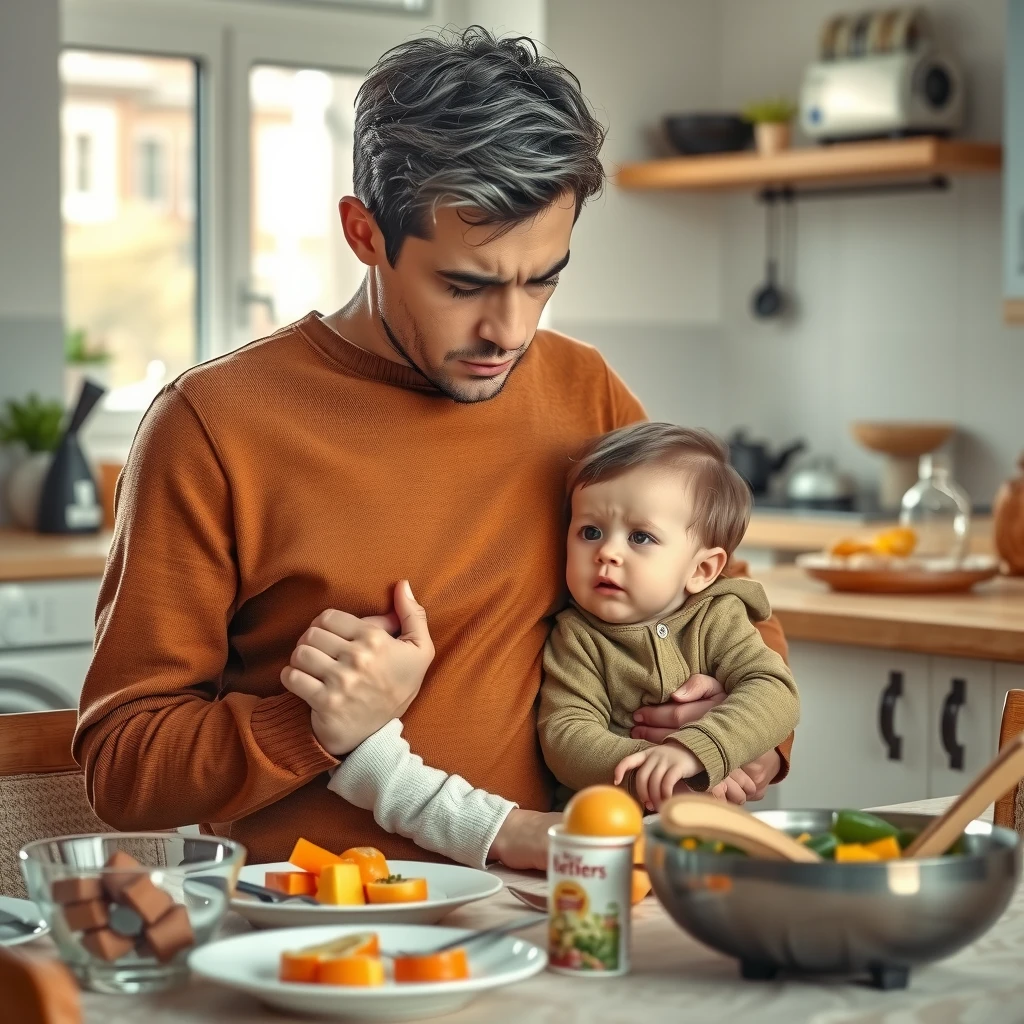
FPIES stands for Food Protein-Induced Enterocolitis Syndrome. It causes inflammation in the gut, leading to intense symptoms. Acute FPIES strikes 1-4 hours after eating a trigger food, with repetitive vomiting, pallor, lethargy, and sometimes diarrhea. In severe cases, it can cause dehydration or shock.
Many parents recall terrifying moments when their child suddenly becomes limp and pale. One mom shared, "It felt like a stomach bug, but it happened every time we tried rice cereal." Early misdiagnosis as a virus or infection is common.
Chronic FPIES, less common now, occurs with regular exposure, causing ongoing vomiting, diarrhea, and poor growth.
Common Triggers and Safe Foods
Common triggers include cow's milk, soy, rice, oats, and other grains. Some children react to fruits, vegetables, or proteins like chicken.
Safe foods vary by child, but lower-risk options often include:
- Fruits: peaches, pears, bananas (trial carefully)
- Vegetables: broccoli, squash, sweet potatoes
- Proteins: lamb, turkey (if tolerated)
- Grains: quinoa, millet
Always introduce new foods one at a time under medical guidance.
| Common FPIES Triggers | Often Lower-Risk Foods |
|---|---|
| Cow's milk | Peaches, plums |
| Soy | Broccoli, cauliflower |
| Rice, oats | Sweet potatoes, squash |
| Poultry | Quinoa, millet |
| Eggs, fish | Lamb (if tolerated) |
Diagnosis and Management
No skin or blood tests detect FPIES reliably. Diagnosis relies on history and sometimes supervised oral food challenges.
Work closely with a pediatric allergist. They can guide safe introductions and monitor growth.
For acute reactions, focus on hydration. Severe cases may need IV fluids in the ER. Ondansetron can help stop vomiting in older kids.

Safe Meal Plans for Hypoallergenic Diets
Building safe meal plans for hypoallergenic diets starts with known safe foods. Aim for balance: proteins, carbs, fats, and vitamins.
Sample Daily Plan for a Toddler (Adjust for Your Child's Safes):
- Breakfast: Quinoa porridge with peach puree and coconut milk
- Snack: Carrot sticks and apple slices
- Lunch: Turkey meatballs with sweet potato mash and broccoli
- Snack: Banana smoothie (if tolerated)
- Dinner: Millet stir-fry with squash and safe veggies
These FPIES-friendly recipes for children keep meals exciting. Rotate foods to prevent boredom.
Hypoallergenic Recipes for Kids: Delicious and Safe Meals
Try these simple ideas:
-
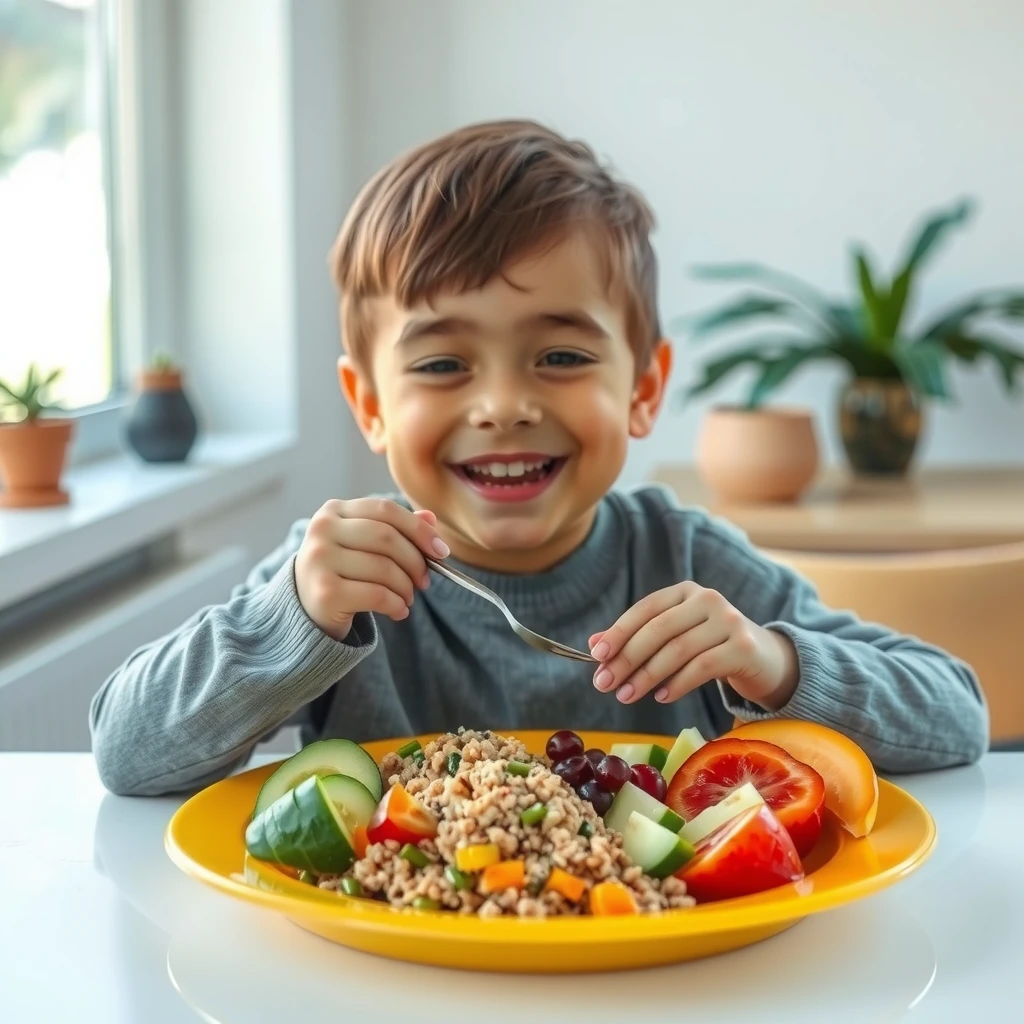
Quinoa Veggie Bowl: Cook quinoa, mix with steamed broccoli and carrots. Add olive oil for flavor.
-
Fruit Puree Pops: Blend safe fruits like pear and freeze in molds for treats.
-
Sweet Potato Fries: Bake strips with a dash of salt – crunchy and fun.
Parents say creativity turns limitations into wins. "We make 'pizza' with safe bases and toppings," one shared.
Outlook and Support
Most children outgrow FPIES by age 3-5. Regular challenges check tolerance.
You're not alone. Connect with communities for tips on safe eating.
With careful planning, your child can thrive. Focus on safe, nutritious meals and enjoy watching them grow strong.
For more, see resources from the International FPIES Association and ACAAI.

Discuss Here