Overview
Chronic vomiting can turn daily life upside down. It drains your energy and makes simple tasks feel impossible. This guide covers practical treatment options for chronic vomiting, with a focus on conditions like Food Protein-Induced Enterocolitis Syndrome (FPIES), including chronic FPIES symptoms. You will find real steps to manage it effectively. (38 words)
Chronic vomiting means throwing up often over weeks or months. It differs from occasional nausea. Many causes exist, from stomach issues to rare allergies.
One key condition linked to chronic vomiting is FPIES. Food Protein-Induced Enterocolitis Syndrome (FPIES) is a non-IgE-mediated food allergy that mainly affects infants and young children. In chronic FPIES, ongoing exposure to trigger foods leads to persistent symptoms like intermittent vomiting, diarrhea, and poor weight gain.

See a Doctor First
Always start with a professional diagnosis. Chronic vomiting can signal serious issues. Doctors run tests to rule out infections, blockages, or other problems.
For FPIES, diagnosis relies on history and symptoms, as standard allergy tests do not detect it. Learn more about FPIES symptoms and diagnosis from the Children's Hospital of Philadelphia guide on Food Protein-Induced Enterocolitis Syndrome (FPIES).
Other common causes include: - Gastroparesis (delayed stomach emptying) - Cyclic Vomiting Syndrome (CVS) - Migraine-related nausea - Medication side effects
Lifestyle Changes That Help
Simple adjustments often bring big relief. Eat small, frequent meals instead of large ones. Avoid triggers like spicy or fatty foods.
Stay hydrated. Sip clear fluids throughout the day. Ginger tea or peppermint can soothe the stomach naturally.
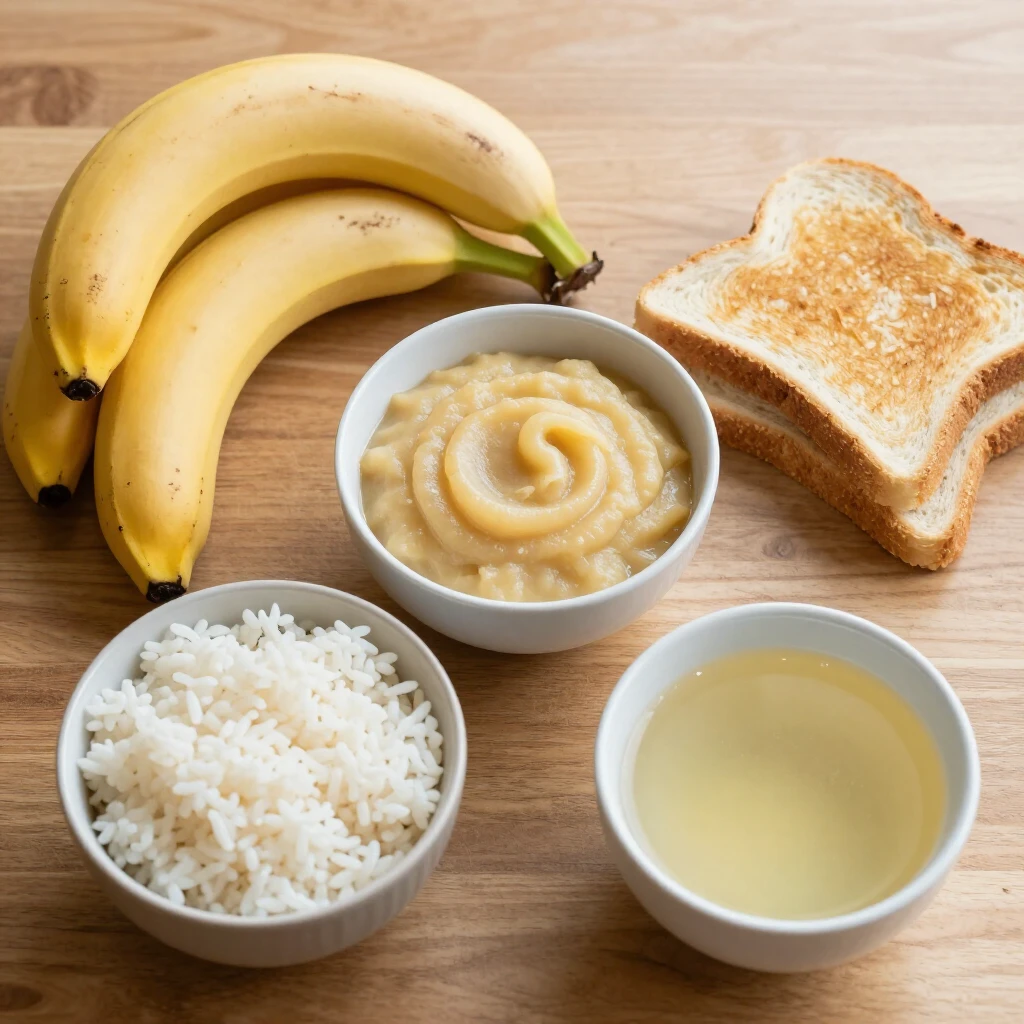
Manage stress, as it worsens symptoms for many. Try deep breathing or short walks.
In my experience helping families, tracking food and symptoms in a journal reveals patterns quickly. One parent noticed rice triggered their child's chronic FPIES symptoms – removing it stopped the cycle.
Dietary Management – The Core Approach
For many cases, especially chronic FPIES, diet is the main treatment. Strict avoidance of trigger foods resolves symptoms.
Common FPIES triggers include cow's milk, soy, rice, and oats. In chronic FPIES, symptoms improve within days of eliminating the food. Read details in the NORD report on Food Protein-Induced Enterocolitis Syndrome.
Work with a dietitian. They help ensure nutrition while avoiding triggers. Many children outgrow FPIES by age 3-5.
| Common Trigger Foods in FPIES | Safe Alternatives Often Tolerated |
|---|---|
| Cow's milk | Extensive hydrolyzed formula |
| Soy | Different protein sources |
| Rice/Oats | Other grains like wheat (if tolerated) |
| Poultry | Fish or meats (case by case) |
Medications for Symptom Control
Doctors prescribe anti-nausea drugs like ondansetron for acute episodes. It works well for FPIES reactions.
For Cyclic Vomiting Syndrome, preventive meds include amitriptyline or propranolol. During episodes, IV fluids prevent dehydration. See treatment details in the NIDDK page on Cyclic Vomiting Syndrome Treatment.
Prokinetics help gastroparesis by speeding stomach emptying. Always discuss risks and benefits with your doctor.

Advanced Options
If basics fail, consider: - Feeding tubes for severe cases - Botox injections for pyloric issues - Acupuncture or therapy for stress-linked vomiting
I've seen patients regain control through combined approaches. One adult with long-term chronic vomiting found relief mixing diet changes, meds, and mindfulness.
When to Seek Emergency Care
Go to ER if: - Vomiting lasts over 24 hours - Signs of dehydration (dry mouth, no tears) - Blood in vomit - Severe pain
Early intervention prevents complications.
Summary
Treatment options for chronic vomiting focus on finding the cause and managing symptoms. For chronic FPIES, avoidance is key. Lifestyle tweaks, meds, and support make a difference. Work closely with doctors – relief is possible.

Discuss Here