Understanding FPIES: A Quick Overview
Food Protein-Induced Enterocolitis Syndrome (FPIES) is a non-IgE-mediated food allergy that affects the gut. It causes severe vomiting and diarrhea hours after eating trigger foods. Most common in babies and young children, FPIES can scare parents, but with proper management, kids thrive. (38 words)

If you're here searching for foods to avoid with FPIES, you're likely navigating this challenging condition. I remember the fear when my child had their first reaction—hours of nonstop vomiting that landed us in the ER. FPIES isn't like typical allergies with hives or wheezing. It's delayed, hitting the digestive system hard.
FPIES comes in two main forms: acute and chronic. Acute FPIES is the most common. It strikes 1-4 hours after eating a trigger food, with repetitive vomiting, paleness, lethargy, and sometimes diarrhea. In severe cases, it leads to dehydration or shock.
Chronic FPIES happens with regular exposure to triggers, often in formula-fed infants. Symptoms include ongoing vomiting, diarrhea, and poor growth. Removing the trigger usually resolves issues quickly.
The key to managing FPIES? Strict avoidance of trigger foods. But knowing which ones to avoid can feel overwhelming at first.
Most Common Foods to Avoid with FPIES
Triggers vary by child and region, but patterns emerge from studies and guidelines. Here's a breakdown:
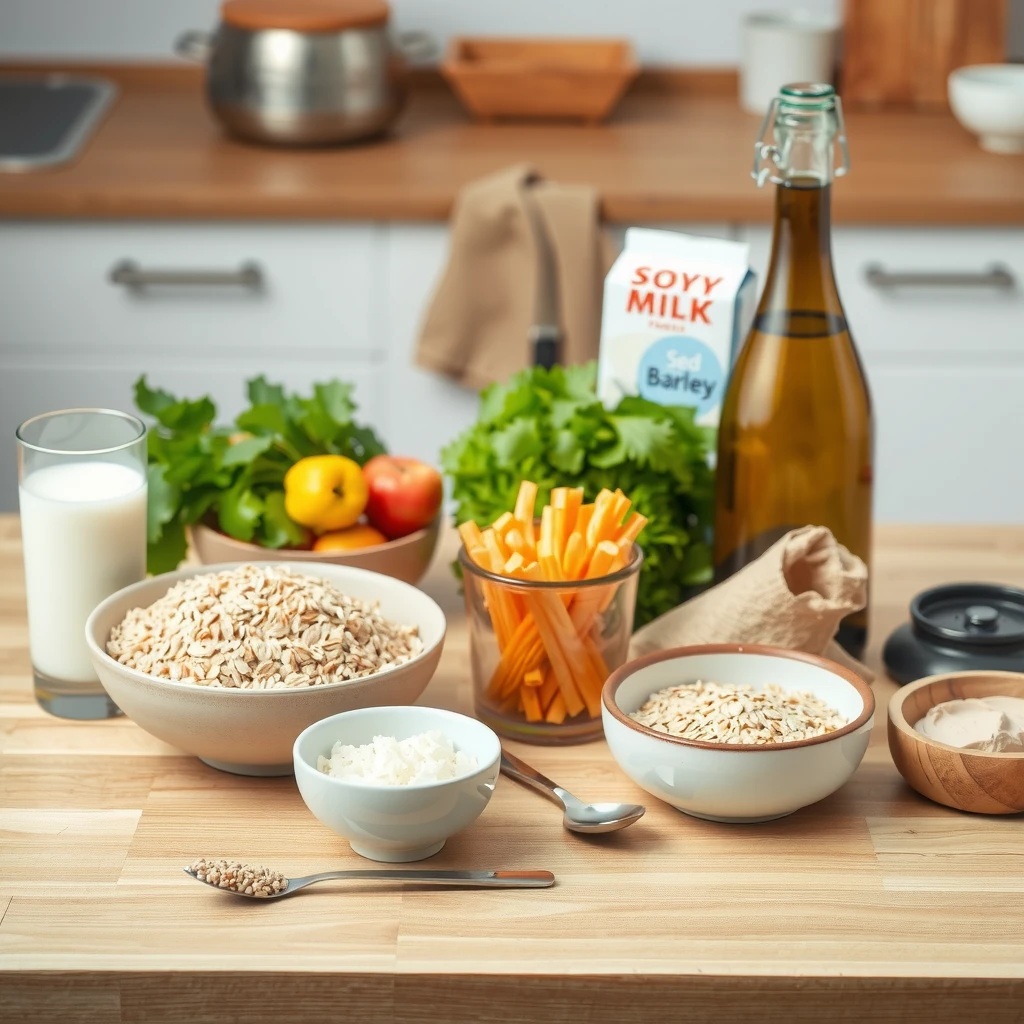
Top Triggers in Infants and Children: - Cow's milk (dairy) - Soy - Rice - Oats - Other grains (barley, wheat) - Egg - Poultry (chicken, turkey) - Legumes (peas, lentils) - Some fruits and vegetables (avocado, banana, sweet potato)
In the US and many places, rice and oats surprise parents as triggers—often safe for other allergies but risky here. According to the International Consensus Guidelines from the AAAAI, these are frequent culprits.
| Food Group | Common Triggers | Notes |
|---|---|---|
| Dairy | Cow's milk | Often first trigger in formula-fed babies |
| Grains | Rice, oats, barley | Rice is surprisingly common |
| Proteins | Soy, egg, chicken | Soy formula can cause issues |
| Fruits/Veggies | Avocado, banana, sweet potato | Less common but reported |
| Other | Fish/shellfish (more in adults) | Rare in kids |
Any food can potentially trigger FPIES, but most kids react to just 1-2 foods. Avoid unnecessary restrictions—over-avoiding can lead to nutritional gaps or increase IgE allergy risk.
Personal insight: When we discovered rice was our child's trigger, it changed everything. Rice cereal is a common first food, but it caused severe reactions. Always introduce new foods one at a time, at home, in small amounts.
Safe Food Introduction Strategies
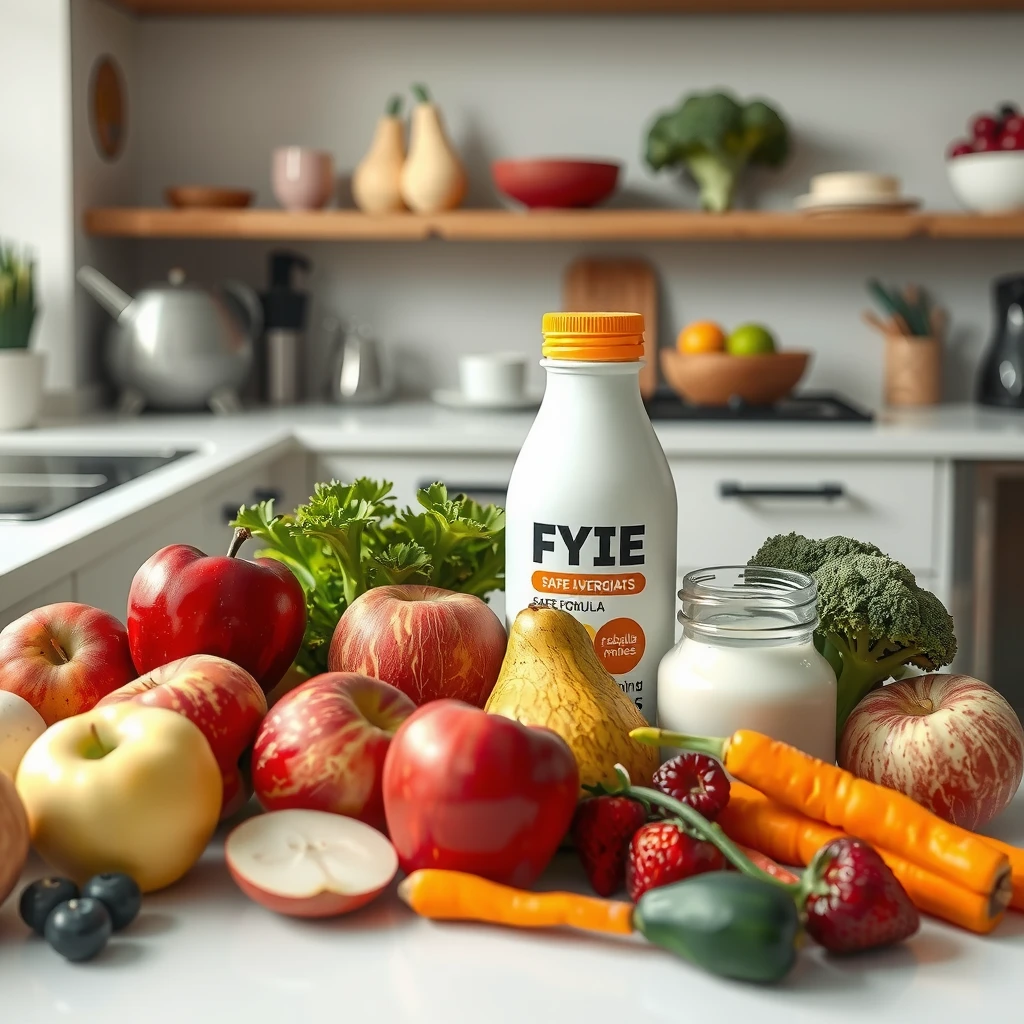
Start with lower-risk foods: - Fruits like pear, apple, peach (peeled) - Vegetables like squash, carrots, green beans - Meats like beef, lamb, pork - Quinoa or millet instead of grains
For formula: Many tolerate extensively hydrolyzed formulas; some need amino acid-based (elemental).
Breastfeeding rarely passes triggers, so moms usually don't need to eliminate foods.
Work with an allergist for supervised challenges when ready. Most children outgrow FPIES by age 3-5, but timelines vary—grain triggers may persist longer.
Handling Reactions and Daily Life
During acute FPIES: - Stay calm and hydrate (oral if possible) - Seek emergency care for severe symptoms - Ondansetron can help stop vomiting in older kids
Carry an emergency plan. Educate caregivers. Join support groups—connecting with other families helped me immensely.
Nutrition matters. A dietitian experienced in allergies ensures balanced meals despite restrictions.
In summary, managing foods to avoid with FPIES revolves around identifying personal triggers, careful introductions, and avoidance. With time and guidance, life gets easier, and most kids outgrow it. Stay informed, trust your instincts, and reach out for support.

Discuss Here