Overview
Rare childhood disorders touch the lives of many families. This guide dives into these conditions, spotlighting FPIES. It offers clear insights to help parents understand and manage them effectively.
Rare disorders in children often go unnoticed at first. They can change a family's daily life in big ways. As a parent, you might feel alone when your child shows unusual symptoms.
I remember talking to a mom whose son had strange reactions to food. She shared how scary it was. Stories like hers show why we need to learn more about these issues.
What Are Rare Childhood Disorders?
Rare diseases affect fewer than 200,000 people in the U.S. Many start in childhood. About 7,000 rare diseases exist, and 80% come from genes.
These disorders can impact growth, learning, and health. Kids might face delays in walking or talking. Some have ongoing pain or need special care.
Examples include cystic fibrosis, muscular dystrophy, and food-related allergies like FPIES. Each one brings unique challenges.
Families deal with doctor visits, tests, and worries about the future. But early help can make a difference. Support groups connect parents who understand.

Understanding FPIES: A Guide for Parents and Caregivers
FPIES stands for Food Protein-Induced Enterocolitis Syndrome. It's a rare food allergy that doesn't involve typical hives or swelling.
Instead, it causes gut reactions. Kids react hours after eating certain foods. Common triggers are milk, soy, rice, and oats. But any food can cause it.
This condition usually starts in babies under one year old. Many kids outgrow it by age three or four. That's good news for worried parents.
One dad told me his daughter threw up badly after trying rice cereal. He rushed her to the ER. Tests showed no typical allergy, but symptoms matched FPIES.
Common Triggers for FPIES
- Cow's milk
- Soy
- Rice
- Oats
- Eggs
- Fish
- Poultry
Avoid these if your child has FPIES. Work with a doctor to find safe foods.
Symptoms of FPIES
Symptoms hit hard but late. They start 1 to 4 hours after eating the trigger.
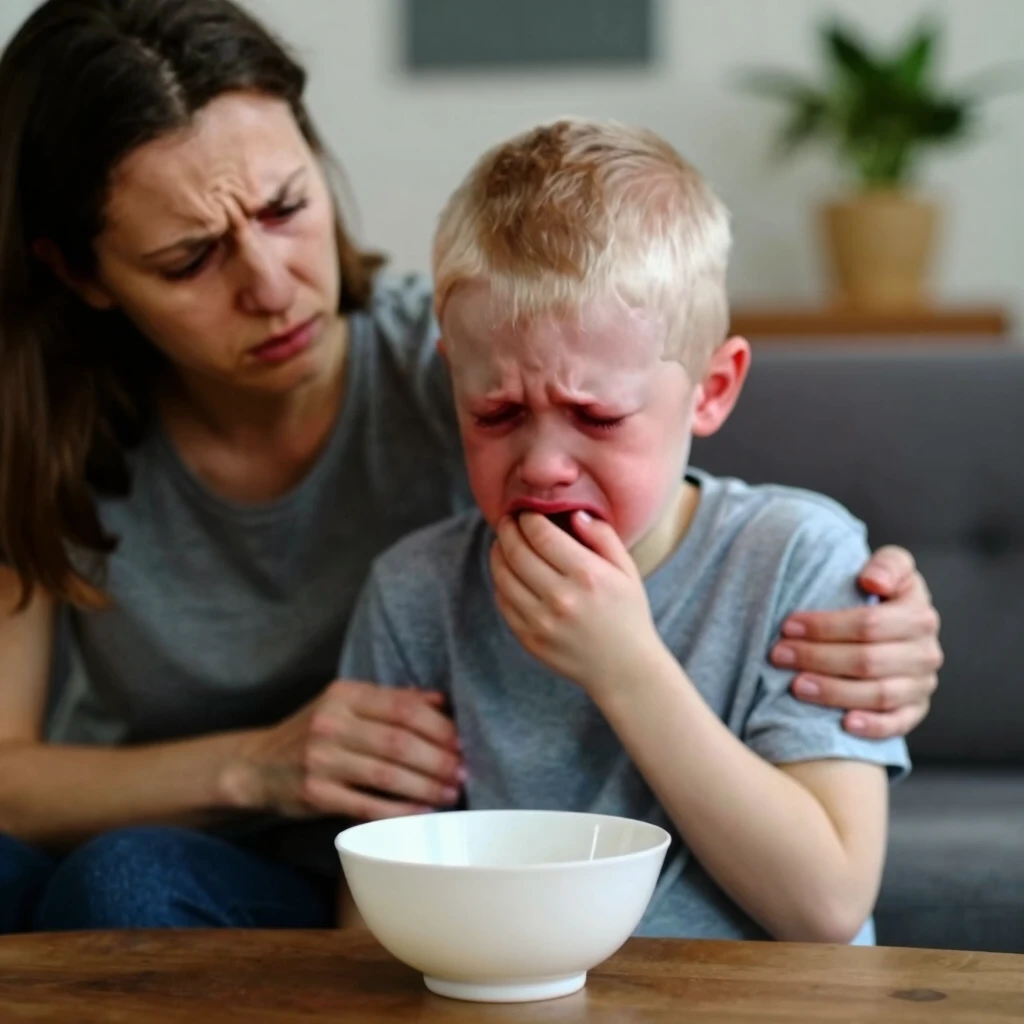
The main sign is severe vomiting. Kids might vomit many times. They look pale and feel very tired.
Diarrhea can follow, sometimes with blood. In bad cases, blood pressure drops, leading to shock.
Chronic FPIES symptoms happen if the trigger stays in the diet. Think ongoing issues like regular vomiting or poor weight gain.
A mom shared her story: 'My baby seemed fussy all the time. He vomited after feeds. We switched formulas, but it took months to figure out it was soy.'
Chronic Vomiting and Its Impact on Health
Chronic vomiting means throwing up often over time. In kids with FPIES, it leads to big problems.
Kids lose fluids fast. This causes dehydration. Signs include dry mouth, fewer tears, and less pee.
Over time, it affects growth. Kids might not gain weight well. They could fall behind on milestones.
Stomach acid from vomiting can hurt the throat. It leads to sore throats or tooth damage.
Emotionally, it's tough. Kids feel scared during episodes. Parents stress about every meal.
One parent said, 'Chronic vomiting changed our family. We ate simple foods to avoid triggers. It was hard, but we adapted.'
Health Impacts of Chronic Vomiting
| Issue | Description | Long-Term Effect |
|---|---|---|
| Dehydration | Loss of body fluids | Weakness, hospital stays |
| Malnutrition | Lack of nutrients | Slow growth, weak bones |
| Emotional Stress | Fear and anxiety | Sleep issues, family strain |
How Doctors Diagnose FPIES
Diagnosis takes time. No simple blood test exists. Doctors look at symptoms and history.
They rule out other issues like infections or reflux. Sometimes, they do a food challenge in the hospital.
This means giving the suspect food under watch. If symptoms appear, it confirms FPIES.
Allergists help a lot. Sites like the Cleveland Clinic offer great info: Cleveland Clinic FPIES.
A caregiver recalled, 'We saw many doctors. Finally, an allergist spotted FPIES. It was a relief to have a name for it.'
Managing and Treating FPIES
Treatment focuses on avoiding triggers. Read labels carefully. Cook fresh meals.
For acute attacks, get to the ER. They give fluids through IV to fight dehydration.
At home, keep kids hydrated. Use electrolyte drinks if vomiting starts.
Dietitians plan safe diets. They suggest alternatives like hypoallergenic formulas.
Many kids outgrow FPIES. Doctors test with challenges every year or so.
One family shared: 'We tried new foods slowly. Now our son eats most things. It's amazing.'
Personal Insights from Parents
Hearing from others helps. Sarah's son had FPIES to milk and soy.
'The first episode scared us. He vomited for hours. We learned to spot signs early.'
Mike's daughter reacted to oats. 'We joined online groups. Sharing tips made us feel less alone.'
These stories show resilience. Parents become experts on their child's needs.
Resources like CHOP's site are gold: CHOP FPIES.

Living with Rare Disorders
Daily life adjusts. Meal planning becomes key. Schools need allergy plans.
Emotional support matters. Talk to counselors if stress builds.
Research brings hope. New treatments emerge for many rare conditions.
For FPIES, awareness grows. More doctors recognize it faster.
Wrapping Up
Understanding rare childhood disorders empowers families. From FPIES to chronic vomiting, knowledge helps manage impacts.
Seek help early. Connect with others. With care, kids thrive despite challenges.

Discuss Here