Overview
Many people in underserved communities struggle to get the health care they need. This article shares practical strategies to enhance access to care for underserved populations, helping build health equity and support family wellness in community health settings. (38 words)
Access to care remains a big challenge for millions of Americans. Underserved populations often include low-income families, racial and ethnic minorities, rural residents, and those without insurance. These groups face barriers like high costs, long travel distances, and a shortage of providers.
Improving access isn't just about opening more clinics. It involves smart planning, community involvement, and policy changes that put people first. When we focus on these strategies, we move closer to health equity—where everyone has a fair chance at good health.

One key approach is expanding community health centers. These centers provide affordable primary care in areas where it's needed most. According to the Kaiser Family Foundation, community health centers serve over 31 million patients, many from underserved groups, offering services regardless of ability to pay.
I've seen firsthand how these centers make a difference. In one rural town I visited, a new health center brought regular check-ups and preventive care to families who previously drove hours for a doctor's visit. This supports family wellness by catching issues early and keeping everyone healthier.
Key Strategies for Community Health Centers
- Locate in underserved areas: Place centers where people need them most, like rural or urban low-income neighborhoods.
- Sliding-scale fees: Charge based on income so no one is turned away.
- Comprehensive services: Offer medical, dental, and behavioral health in one place.
- Cultural competence: Train staff to understand diverse backgrounds.
The Health Resources and Services Administration (HRSA) funds these centers and reports they play a vital role in achieving health equity by serving vulnerable populations.
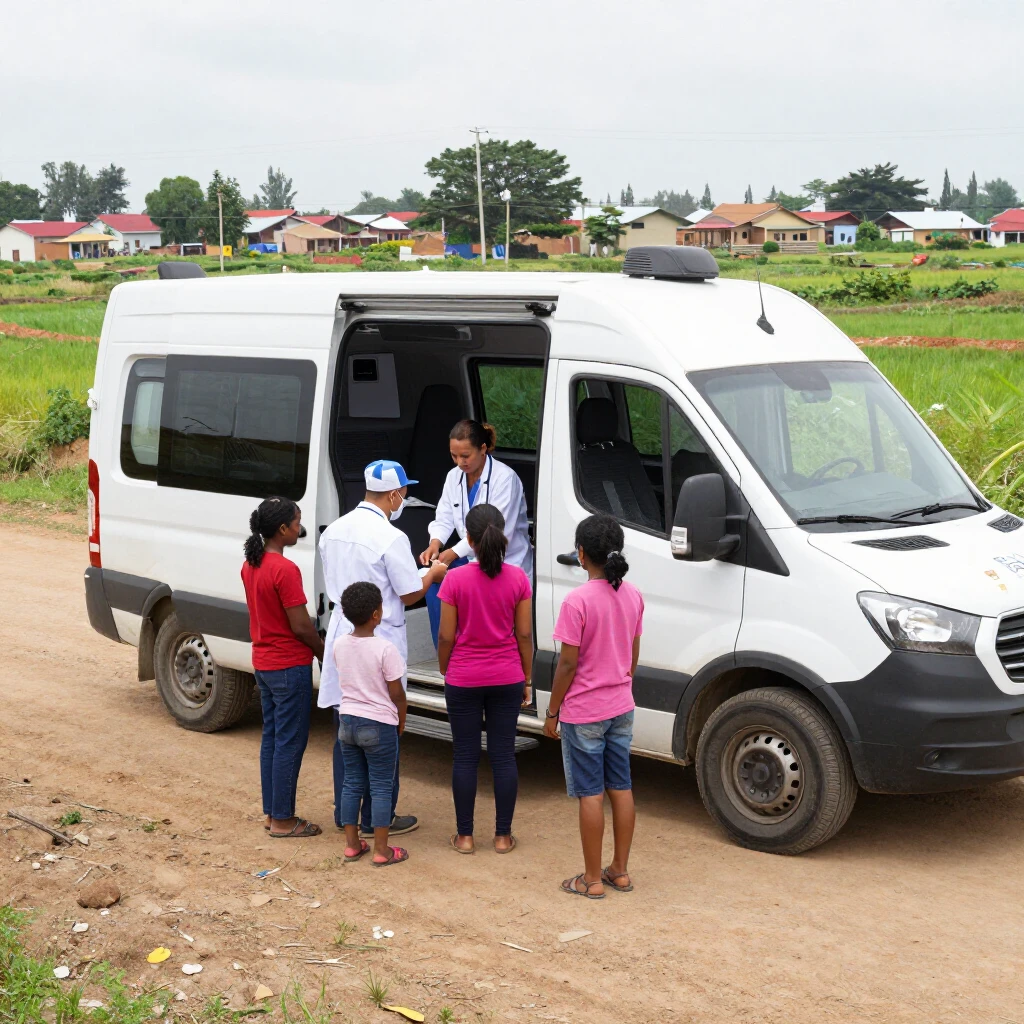
Another effective strategy is using mobile clinics and telehealth. Mobile units bring care directly to remote areas, while telehealth connects patients to doctors via video calls.
During the pandemic, telehealth exploded in use. It helps overcome transportation barriers and lets people see specialists without travel. The World Health Organization highlights how digital tools can break barriers to equitable health systems.
In my experience working with community programs, telehealth has been a game-changer for busy parents. A mother in a remote area told me she could finally manage her child's asthma without missing work.
Benefits of Telehealth and Mobile Care
| Benefit | Impact on Underserved Populations |
|---|---|
| Reduces travel needs | Saves time and money for rural or low-income families |
| Increases appointment availability | Fewer no-shows and better follow-up care |
| Expands specialist access | Connects patients to experts far away |
| Supports preventive care | Easier screenings and health education |
Building a diverse workforce is also crucial. Providers who share cultural or linguistic backgrounds with patients build trust faster. Studies from the Kaiser Family Foundation show that a more diverse health workforce improves access and outcomes for minority groups.
Programs like the National Health Service Corps place providers in underserved areas in exchange for loan repayment. This strategy directly addresses shortages and promotes community health.

Community outreach and partnerships add another layer. Health programs that work with local organizations—schools, churches, food banks—reach people where they are.
For example, partnering with community health workers who speak the local language can help navigate insurance or appointments. This builds trust and encourages regular care, boosting family wellness.
Addressing social determinants of health is essential too. Things like housing, food, and transportation affect health. Some centers now screen for these needs and connect patients to resources.
The Kaiser Family Foundation notes that tackling social factors promotes health equity and reduces disparities.
Policy changes, like expanding Medicaid, have proven impact. States that expanded coverage saw more people get insured and use preventive services.
Finally, collecting data and listening to feedback helps refine these strategies. Centers that track outcomes can adjust to better serve their communities.
Summary
Strategies to enhance access to care for underserved populations include expanding community health centers, using telehealth and mobile units, diversifying the workforce, and building partnerships. These steps promote health equity, strengthen community health, and support family wellness. By focusing on people and barriers, we create lasting change.
Implementing these ideas takes commitment from leaders, providers, and communities. Start small, measure results, and scale what works. Everyone deserves easy access to quality care.

Discuss Here