Quick Overview
Food Protein-Induced Enterocolitis Syndrome (FPIES) is a rare, non-IgE-mediated food allergy that mainly affects the gut. It causes delayed but severe vomiting and diarrhea hours after eating trigger foods. Most common in babies, many outgrow it by age 4, but chronic cases can linger and disrupt daily life.

If you've ever watched your child turn pale and start vomiting repeatedly a couple of hours after trying a new food, you know how scary it can be. That's the reality for many parents dealing with FPIES. This condition isn't like typical allergies—no hives or wheezing. Instead, it hits the digestive system hard.
FPIES stands for Food Protein-Induced Enterocolitis Syndrome. It's a type of food allergy where the body's immune system reacts to certain proteins in food, causing inflammation in the small and large intestines. Symptoms usually start 1 to 4 hours after eating the trigger food.
Common Symptoms of Acute FPIES
- Repetitive, projectile vomiting
- Diarrhea (sometimes bloody)
- Lethargy and paleness
- Dehydration
- Low blood pressure in severe cases
These reactions can be so intense that about 15-20% of cases lead to shock-like symptoms requiring emergency care.
Many parents share stories of rushing to the ER, thinking their baby has a virus or infection. It often gets misdiagnosed at first because the delay makes it hard to connect to food.
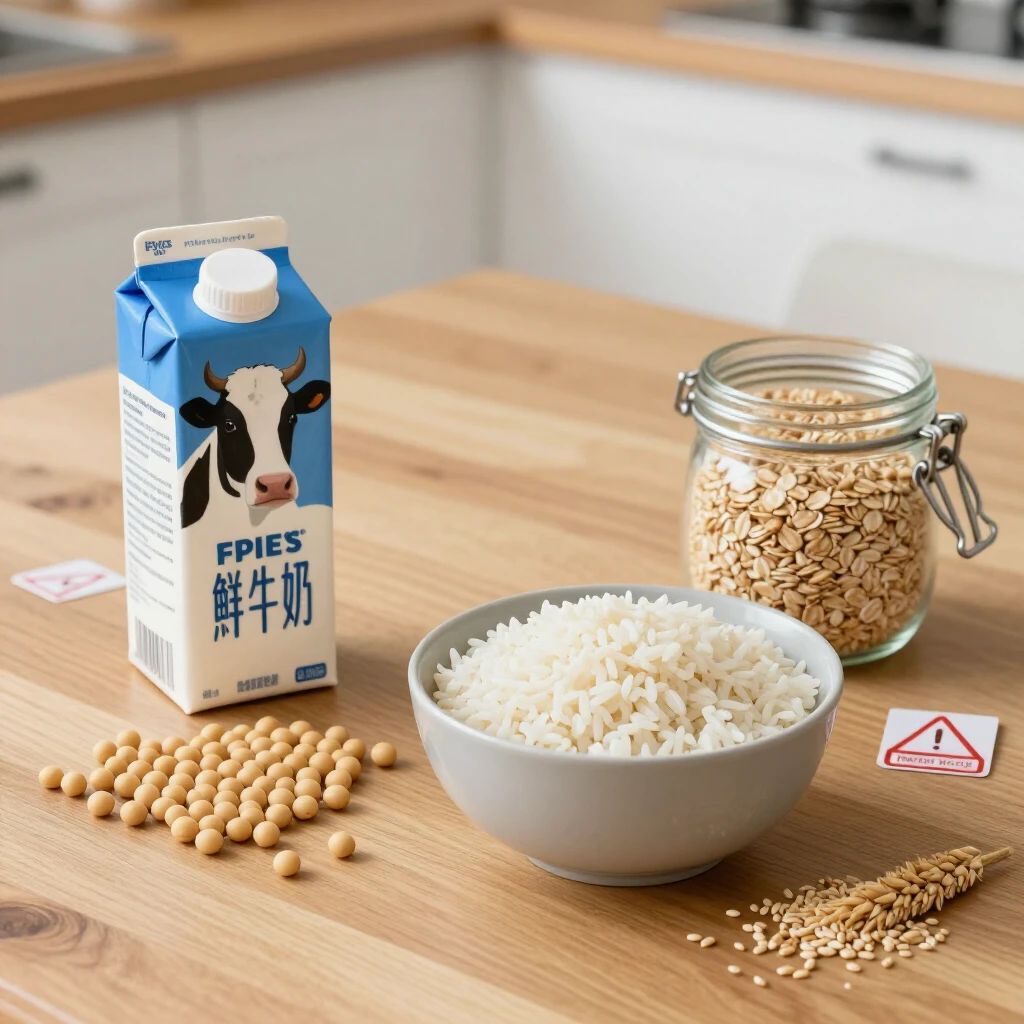
What Foods Trigger FPIES?
The most common triggers in infants are:
- Cow's milk
- Soy
- Rice
- Oats
Other foods like eggs, fish, peanuts, or even fruits and vegetables can cause it too. In adults, shellfish is a frequent culprit.
Interestingly, foods often seen as 'safe' like rice surprise many families.
According to the American Academy of Allergy, Asthma & Immunology (AAAAI) overview on Food Protein-Induced Enterocolitis Syndrome, grains like rice and oats are among the top solid food triggers.
Chronic FPIES Symptoms
While acute FPIES hits suddenly after occasional exposure, chronic FPIES happens with regular intake of the trigger—often milk or soy formula in babies.
Chronic FPIES symptoms include:
- Intermittent vomiting
- Ongoing diarrhea
- Poor weight gain or failure to thrive
- Irritability and low energy
These ongoing issues can mimic chronic fatigue and its impact on daily life, making even simple routines exhausting for both child and parents.
Imagine constant tummy troubles draining your little one's energy day after day. That's the toll of chronic FPIES. Families often feel isolated, constantly second-guessing meals.
The National Organization for Rare Disorders (NORD) page on Food Protein-Induced Enterocolitis Syndrome highlights how removing the trigger food quickly resolves symptoms in chronic cases.

How Is FPIES Diagnosed?
There's no simple blood or skin test for FPIES. Diagnosis relies on:
- Detailed history of reactions
- Ruling out other causes like infections
- Sometimes, a supervised oral food challenge (OFC)
The international guidelines from AAAAI recommend careful history as the key tool.
A doctor-supervised challenge can confirm the trigger but is done cautiously in a medical setting with IV fluids ready.
Managing and Treating FPIES
The main treatment is strict avoidance of trigger foods. For breastfeeding moms, sometimes eliminating the food from their diet helps if the baby reacts through breast milk.
During reactions:
- Push oral fluids at home for mild cases
- Seek emergency care for severe vomiting or dehydration
- IV fluids are often needed
Some doctors prescribe ondansetron for vomiting or steroids for severe reactions.
Many children outgrow FPIES. Milk and soy often resolve by age 3-5, grains a bit later. Regular check-ins with an allergist help decide when to try reintroducing foods safely.
Living with FPIES means careful label reading, planning safe introductions, and carrying an emergency plan. Support groups can be a lifeline—sharing tips on safe foods and coping with the stress.
From personal perspectives shared in communities, the constant vigilance can feel overwhelming, but seeing your child thrive once triggers are avoided brings huge relief.
For more details, check the Cleveland Clinic's guide on FPIES, which explains acute vs. chronic forms clearly.
Also, the Children's Hospital of Philadelphia FPIES resource offers family-focused insights.
Final Thoughts
FPIES is challenging, but with the right knowledge and support, families manage it well. Most kids leave it behind and enjoy normal eating. If you suspect FPIES, talk to an allergist early—it makes all the difference.

Discuss Here