Why Family Bonding Matters Today
In our fast-paced world, strong family ties provide emotional support, reduce stress, and create lasting memories. This article dives into the importance of family bonding and shares simple, fun ways to nurture it.
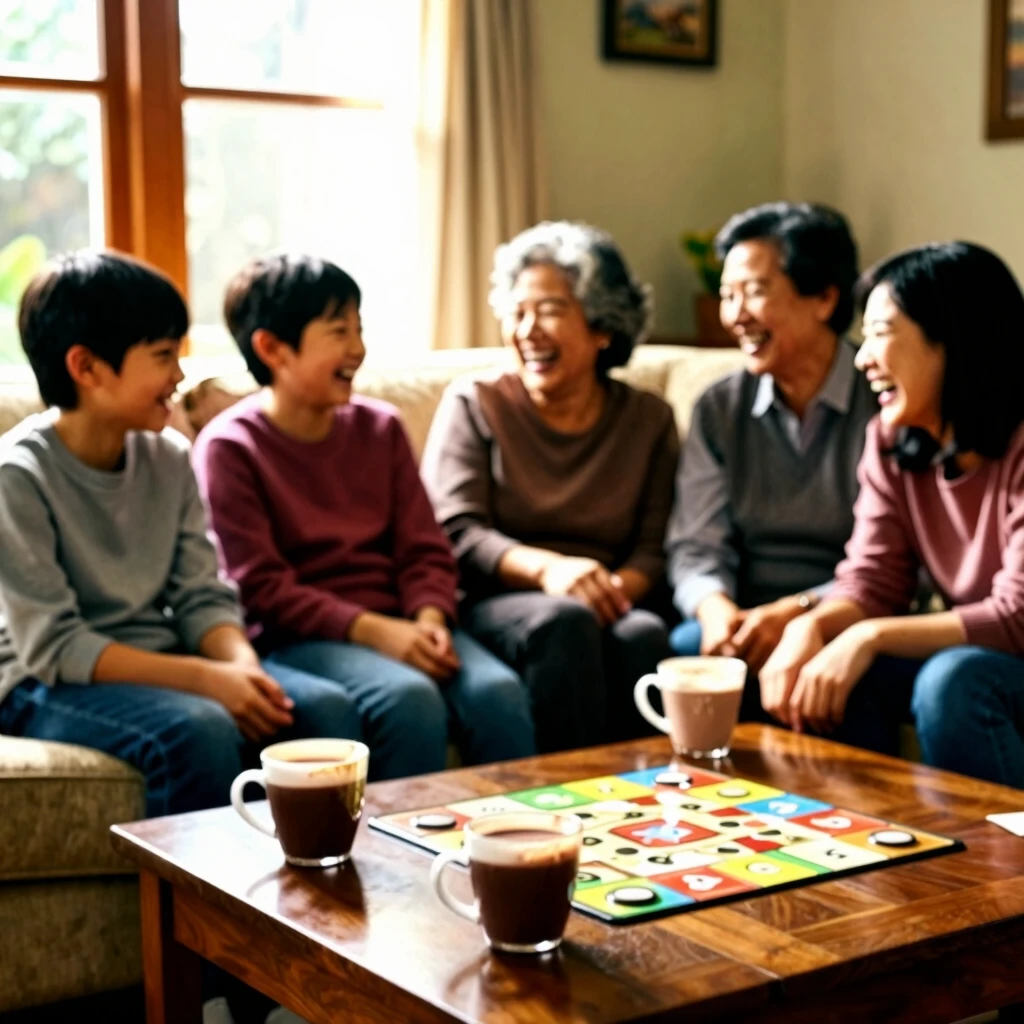
Family bonding isn't just nice to have—it's essential for everyone's well-being. When families spend quality time together, they build trust, improve communication, and create a safety net during tough times.
Research from the American Psychological Association shows that strong family relationships can lower the risk of mental health issues in both children and adults. Kids who feel connected to their families tend to perform better in school and develop higher self-esteem.
The Emotional Benefits of Strong Family Ties
Bonding helps everyone feel valued and understood. Parents gain a sense of purpose, while children learn empathy and emotional regulation. Even simple daily routines, like eating dinner together, strengthen these connections.
Studies from Harvard's Grant Study, one of the longest-running studies on adult development, reveal that close relationships are the biggest predictor of long-term happiness and health.
In my own life, I've seen how regular family time transformed stressful weeks into something manageable. Growing up, weekend traditions kept us close despite busy schedules. Now, as a parent, I prioritize these moments because they recharge us all.
How Family Bonding Supports Overall Family Wellness
Family wellness goes beyond physical health—it includes emotional and mental strength. Engaging in family wellness activities for weekends, like nature walks or game nights, reduces anxiety and boosts mood for everyone involved.
These shared experiences release feel-good hormones like oxytocin, often called the 'bonding hormone.' Regular bonding also teaches conflict resolution skills that last a lifetime.
Creative Indoor Activities for Kids That Bring Families Together
When weather keeps you inside, creative indoor activities for kids offer perfect opportunities for bonding. These activities don't require fancy supplies and work for various ages.
Here are some tried-and-true ideas:
- Build a blanket fort: Work as a team to create a cozy hideout, then read stories inside.
- Cook together: Let kids help prepare simple meals—they learn skills while sharing laughs over small mishaps.
- DIY art projects: Set up a crafting station with recycled materials for open-ended creation.
- Family talent show: Take turns performing silly skits or songs—no judgment allowed!

These activities do more than pass time—they create shared stories you'll reference for years. One winter, my family spent a rainy Saturday building an epic blanket fort. We still joke about how it collapsed during our 'movie night' inside.
The Benefits of Photography for Kids in Family Bonding
Introducing photography to children offers unique benefits that extend far beyond taking pictures. The benefits of photography for kids include boosted creativity, improved observation skills, and a deeper appreciation for everyday moments.
When families photograph together:
- Kids learn patience while waiting for the perfect shot
- Everyone discusses what makes a moment special
- You create a visual family history to look back on
Start simple: Give kids disposable or old digital cameras and head out on a 'photo scavenger hunt' around the house or neighborhood.
Photography encourages mindfulness—everyone slows down to notice details they might otherwise miss. Over time, flipping through family albums reinforces bonds by reliving happy memories together.

Making Family Wellness Activities for Weekends a Priority
Weekends offer prime time for meaningful connection. Plan family wellness activities for weekends that everyone looks forward to, whether active or relaxed.
Effective options include:
| Activity Type | Examples | Benefits |
|---|---|---|
| Active | Bike rides, backyard sports | Improves physical health and energy |
| Creative | Painting sessions, building models | Sparks imagination and teamwork |
| Relaxed | Movie marathons with discussion | Encourages open communication |
| Learning | Visiting museums virtually or in person | Expands knowledge together |
Mix it up weekly to keep things fresh. The key is consistency—protected family time sends the message that relationships matter most.
I've found that even when plans fall through, simply being together without distractions works wonders. Put phones away, make eye contact, and really listen. These small habits build the foundation of strong family bonds.
Overcoming Common Barriers to Family Bonding
Busy schedules, screen time, and differing interests can challenge bonding efforts. Start small: Implement 'no screens' hours or designate one night weekly as family night.
Involve everyone in planning—kids feel valued when their ideas count. Remember, quality matters more than quantity. Even 30 focused minutes beats hours of distracted time.
As families navigate modern life's demands, prioritizing the importance of family bonding becomes an act of love and self-care. These connections provide the support system that helps everyone thrive.
Start with one new activity this week. Your future self—and your family—will thank you.

Discuss Here