Cognitive Behavioral Therapy (CBT) offers practical ways to handle tough emotions and thoughts. With free CBT worksheets, you can start this work right at home, without needing a therapist at first. These tools help many people feel better every day.

What Is Cognitive Behavioral Therapy?
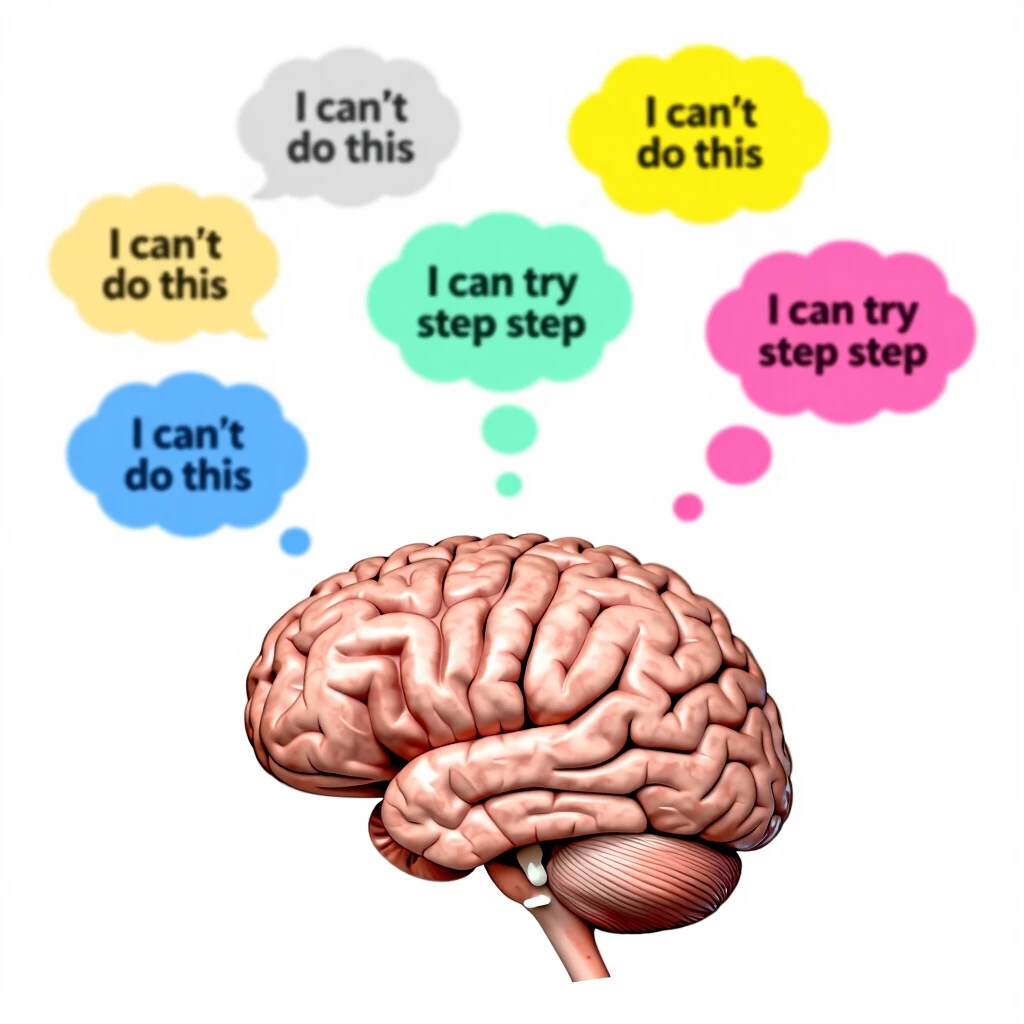
You have probably heard of therapy, but CBT stands out because it focuses on the here and now. It teaches you to spot negative thoughts, question them, and replace them with better ones.
The Science of Cognitive Behavioral Therapy
Research shows CBT really works. Studies from places like the American Psychological Association prove it helps with anxiety, depression, and more. The idea is simple: your thoughts affect your feelings and actions. Change the thoughts, and the rest follows.
I tried CBT worksheets during a stressful time in my life. At first, it felt odd writing down my worries. But after a few weeks, I noticed my mind felt clearer. It was like cleaning out a cluttered room.
Many people use these tools on their own before seeing a professional. They build skills that last a lifetime.
Popular Free CBT Worksheets You Can Download Today
The best part? You don't have to pay for basic tools. Here are some trusted sites with free printable PDFs:
Top Sources for CBT Worksheets
- Therapist Aid (therapistaid.com): Hundreds of worksheets on thought records, cognitive distortions, and behavioral activation.
- GetSelfHelp.co.uk (get.gg): Great for anxiety and depression, with simple info sheets and exercises.
- Psychology Tools (psychologytools.com): Professional-quality resources used by therapists.
- Think CBT (thinkcbt.com): A full free workbook plus individual sheets.
These sites update their materials regularly, so you get evidence-based tools.
Common Types of CBT Worksheets
Here are worksheets many people start with:
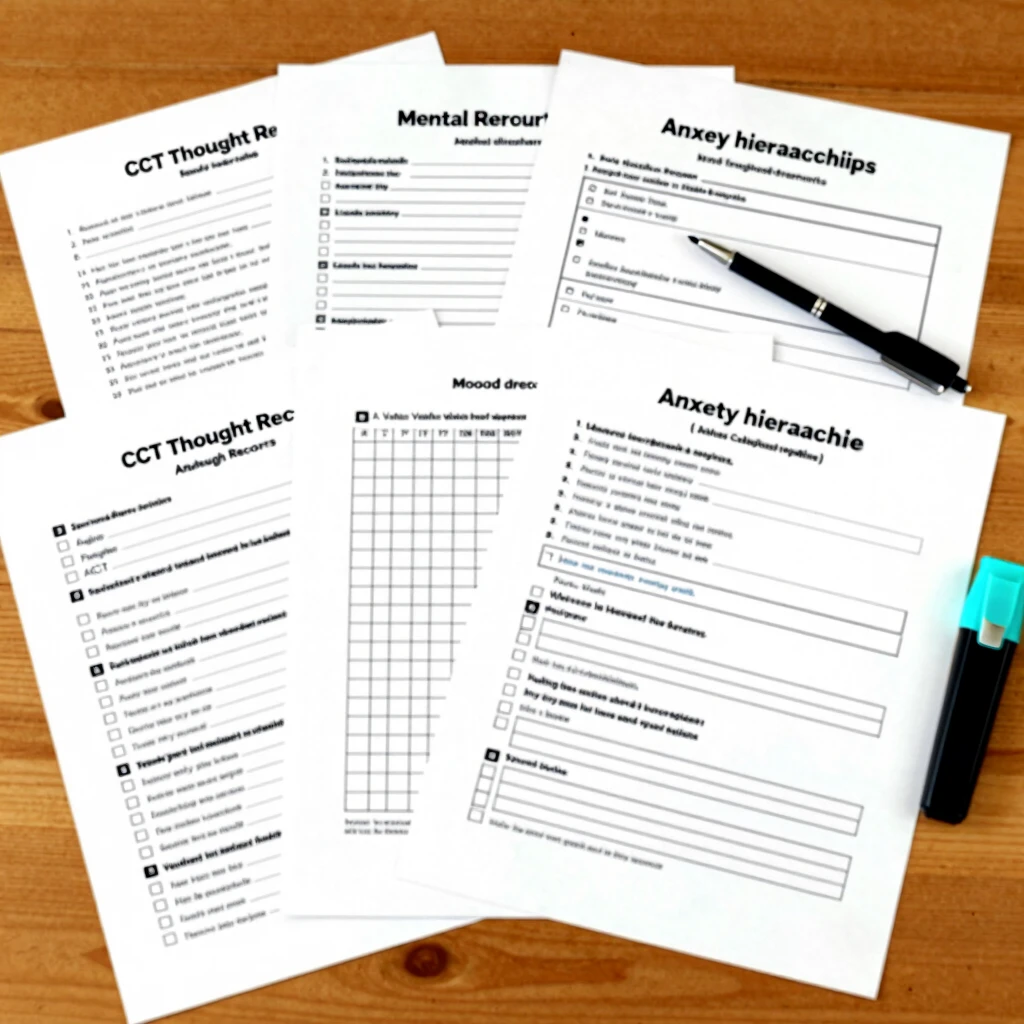
- Thought Records: Write down the situation, your automatic thought, emotions, evidence for and against the thought, and a balanced alternative.
- Cognitive Distortions Checklist: Spot patterns like all-or-nothing thinking or catastrophizing.
- Behavioral Activation Sheets: Plan small pleasant activities to fight low mood.
- Worry Trees: Break down worries into what you can control and what you can't.
- Exposure Ladders: Gradually face fears for anxiety.
Print them out or fill them on your device. Consistency matters more than perfection.
How to Use CBT Worksheets at Home Effectively
Start small. Pick one worksheet that fits your main struggle.
- Set aside 10-15 minutes a day.
- Be honest in your answers.
- Review what you wrote after a week to see patterns.
- Celebrate small wins.
One reader shared: "The thought record helped me see I was jumping to conclusions about work feedback. It reduced my anxiety a lot."
If something feels too hard, that's normal. These tools challenge old habits.
Connecting CBT to Acceptance and Commitment Therapy
Some free resources blend CBT with Acceptance and Commitment Therapy (ACT). ACT adds mindfulness and values to the mix.
How Acceptance and Commitment Therapy Works
Acceptance and Commitment Therapy teaches you to accept tough feelings instead of fighting them. You then commit to actions that match your values.
The Science Behind Psychological Flexibility
Psychological flexibility means noticing your thoughts without letting them boss you around. Studies show it lowers stress and boosts well-being. ACT builds this skill through six core processes: acceptance, defusion, present moment awareness, self-as-context, values, and committed action.
Free ACT worksheets often include: - Values clarification exercises - Defusion techniques (like labeling thoughts "I'm having the thought that...") - Mindfulness practices
You can find great ACT packs on sites like positivepsychology.com or Russ Harris's resources at actmindfully.com.au.
Many people combine CBT and ACT tools. CBT helps change thoughts, while ACT helps you live with the ones that stick around.
Tips for Getting the Most Out of Free Tools
- Track your mood before and after using worksheets.
- Join online forums to share experiences.
- If progress stalls, consider talking to a therapist.
- Use apps that include digital worksheets for on-the-go practice.
Remember, these are tools, not magic. Real change takes time and effort.
Final Thoughts
CBT worksheets: free tools for home use give you power over your mental health. They turn big problems into manageable steps. Start today with one simple sheet – you might surprise yourself with how far you go.
Keep practicing, stay kind to yourself, and reach out for help when needed. Better days are possible.

Discuss Here