Overview
Getting good sleep can transform your family's daily life. This guide to sleep routines that work for the whole family shares simple steps to build habits everyone can follow, leading to more energy, better moods, and stronger connections.
Sleep affects every part of our lives. When one person struggles with rest, it often impacts the entire household. That's why creating sleep routines that work for the whole family makes sense. These routines support holistic approaches to family wellness by promoting better physical health, emotional balance, and even closer relationships.

I remember when my kids were little. Bedtime felt like a battle every night. One would stall, another would wake up multiple times. My partner and I ended up exhausted too. Once we set a family-wide routine, things changed. Everyone started sleeping better, and mornings became smoother.
Why Consistent Sleep Matters for Family Wellness
Experts agree that regular sleep schedules benefit everyone. Children who get enough sleep show better behavior and learning skills. Adults gain sharper focus and lower stress.
According to the American Academy of Pediatrics, kids aged 6-12 need 9-12 hours of sleep per night, while teens require 8-10 hours. Adults do best with 7-9 hours.
Poor sleep links to issues like irritability and weakened immunity. By prioritizing sleep as a family, you adopt holistic approaches to family wellness that pay off long-term.
Building a Family Bedtime Routine
Start with a consistent bedtime. Choose times that fit your schedule and stick to them, even on weekends—within an hour or so.
A good routine signals your body it's time to wind down. Here's a simple structure that works for many families:
- One hour before bed: Dim lights and turn off screens. Blue light from devices disrupts melatonin, the sleep hormone.
- 30 minutes before: Calm activities like bathing or light stretching.
- Bedtime: Reading, talking, or quiet time.

For younger kids, include brushing teeth, pajamas, and a story. Older children and teens might prefer journaling or listening to soft music. Involve everyone in planning so they buy in.
We made 'family wind-down time' a thing. No phones after 8 PM. Instead, we chat about the day or play a quiet game. It strengthened our bonds and eased us into sleep.
Age-Specific Tips
Babies and Toddlers: Follow safe sleep guidelines from the American Academy of Pediatrics safe sleep recommendations. Place them on their back in a bare crib. Establish early routines with bath, feed, and lullaby.
School-Age Kids: Encourage independence, like choosing books. Limit caffeine and excite activities in the afternoon.
Teens: Respect their later natural rhythms but enforce no screens in bed. Talk about how sleep boosts school performance.
Adults: Lead by example. Avoid late coffee and create your own wind-down, like reading.
Creating a Sleep-Friendly Environment
Keep bedrooms cool, dark, and quiet. Use blackout curtains if needed. Remove TVs and gadgets—charge phones outside the room.
The Harvard Health guide to sleep hygiene stresses consistent wake times and relaxing spaces for better rest.
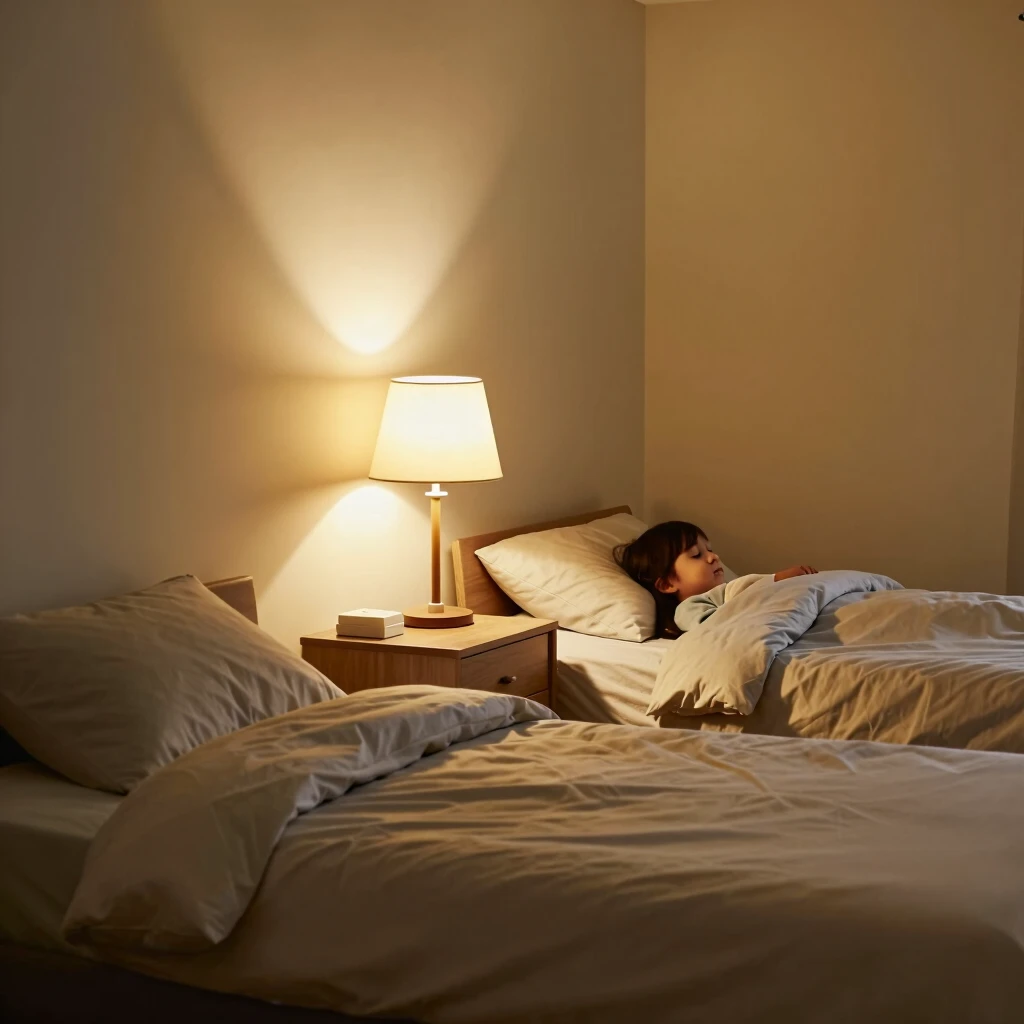
Invest in comfortable mattresses and pillows. White noise machines help if your home is noisy.
Common Challenges and Solutions
Screens are a big hurdle. The AAP notes that screen light suppresses melatonin. Set a family no-screen rule one hour before bed.
If kids resist, use rewards like extra story time for cooperation.
For night wakings, comfort briefly without big stimulation. Consistency helps over time.
Benefits Beyond Sleep
Good routines reduce stress and improve moods. Kids concentrate better at school. Parents feel more patient. Overall, it boosts family wellness.
Studies show bedtime routines enhance child development, including language skills and emotional regulation.
| Age Group | Recommended Sleep Hours | Key Routine Tips |
|---|---|---|
| Infants (4-12 months) | 12-16 hours (including naps) | Consistent feed and rock |
| Toddlers (1-2 years) | 11-14 hours | Bath, book, bed |
| Preschoolers (3-5 years) | 10-13 hours | Family story time |
| School-age (6-12 years) | 9-12 hours | Independent reading |
| Teens (13-18 years) | 8-10 hours | Journaling or music |
| Adults | 7-9 hours | Relaxation techniques |
Track progress with a simple chart. Celebrate weeks of good sleep with a family treat.
In my experience, the biggest shift came when we treated sleep as a priority, not an afterthought. It took patience, but the calmer home was worth it.
Final Thoughts
Sleep routines that work for the whole family create lasting habits for better health. Start small, stay consistent, and involve everyone. You'll soon enjoy more rested days and peaceful nights.
Embracing these holistic approaches to family wellness strengthens your home from the inside out.

Discuss Here