Overview
Planning a family wellness retreat can transform your family's health and relationships. This guide shares tips on organizing one, from choosing locations to incorporating activities like Tai Chi. You'll gain actionable steps to make it memorable and beneficial for everyone.
In today's busy world, families often struggle to find time for relaxation and connection. A family wellness retreat offers a perfect escape. It focuses on physical health, mental well-being, and strengthening bonds. If you're wondering how to plan a family wellness retreat, you're in the right place. This article provides tips for success, drawing from real experiences and expert advice.
Start by setting clear goals. Ask what your family needs. Is it stress relief, better fitness, or closer relationships? Define these early to shape your retreat.
Choosing the Right Location
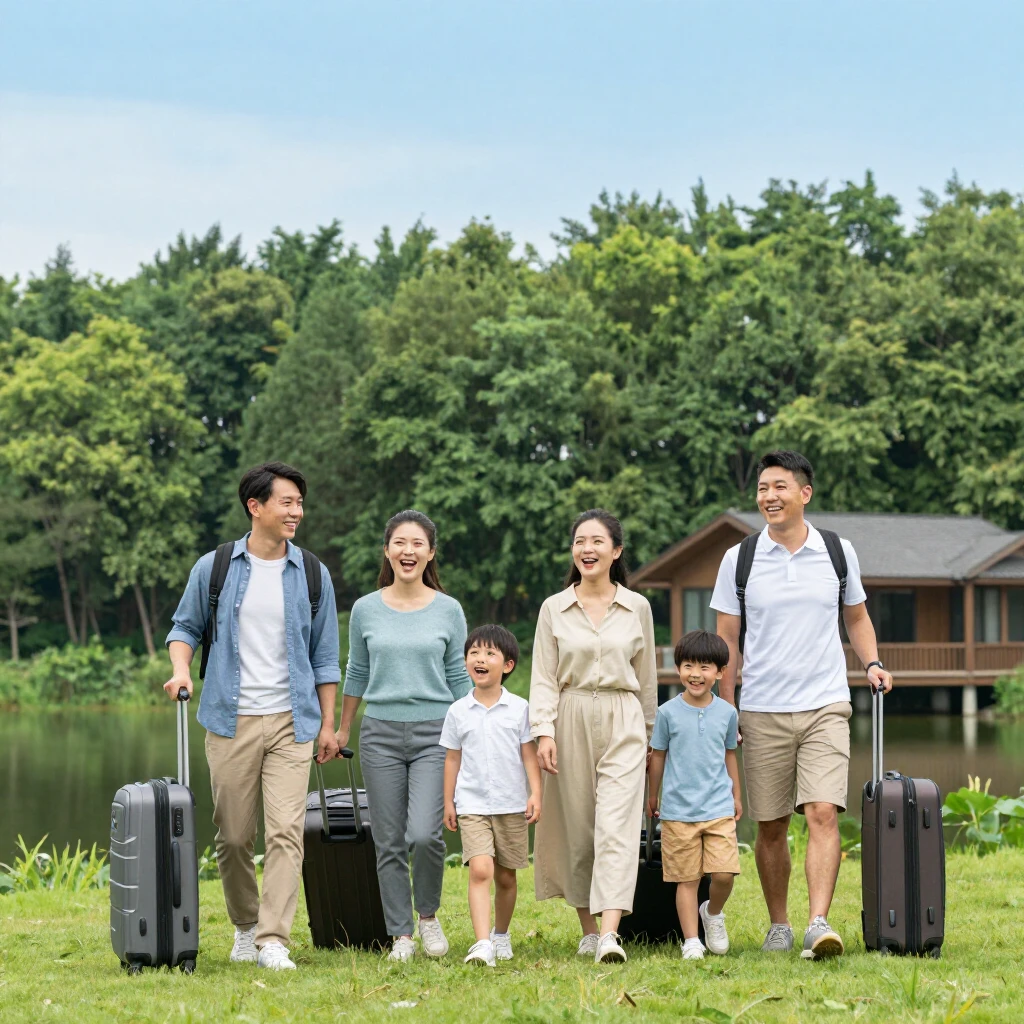
Pick a spot that promotes peace. Consider cabins in the woods, beach resorts, or mountain lodges. Ensure it's accessible for all ages. Look for places with nature trails, pools, and quiet areas.
Budget plays a key role. Factor in travel, lodging, food, and activities. Aim for affordable options without skimping on quality. Research deals or off-season rates.
Scheduling the Retreat
Decide on duration. A weekend might suit beginners, while a week allows deeper immersion. Plan around school and work schedules. Involve everyone in picking dates to build excitement.
Create a flexible itinerary. Mix rest with activities. Mornings for exercise, afternoons for bonding, evenings for reflection. Leave room for spontaneity.
Incorporating Wellness Activities
Focus on activities that boost health and unity. Yoga, hiking, and meditation work well. One standout choice is Tai Chi.
Explore the benefits of Tai Chi for family wellness. This gentle practice improves balance, flexibility, and reduces stress. Families can learn together, fostering patience and coordination.
According to Harvard Health Publishing, Tai Chi helps maintain strength and could be ideal for lifelong activity. In my experience, starting with simple moves during a retreat helped my family feel more connected.
Plan family wellness retreats with Tai Chi sessions. Hire an instructor or use online guides. Practice in groups to encourage laughter and support.
For evidence-based insights, check this review on health benefits of Tai Chi from PubMed Central, which notes improvements in well-being and sleep.

Planning Activities for Family Bonding
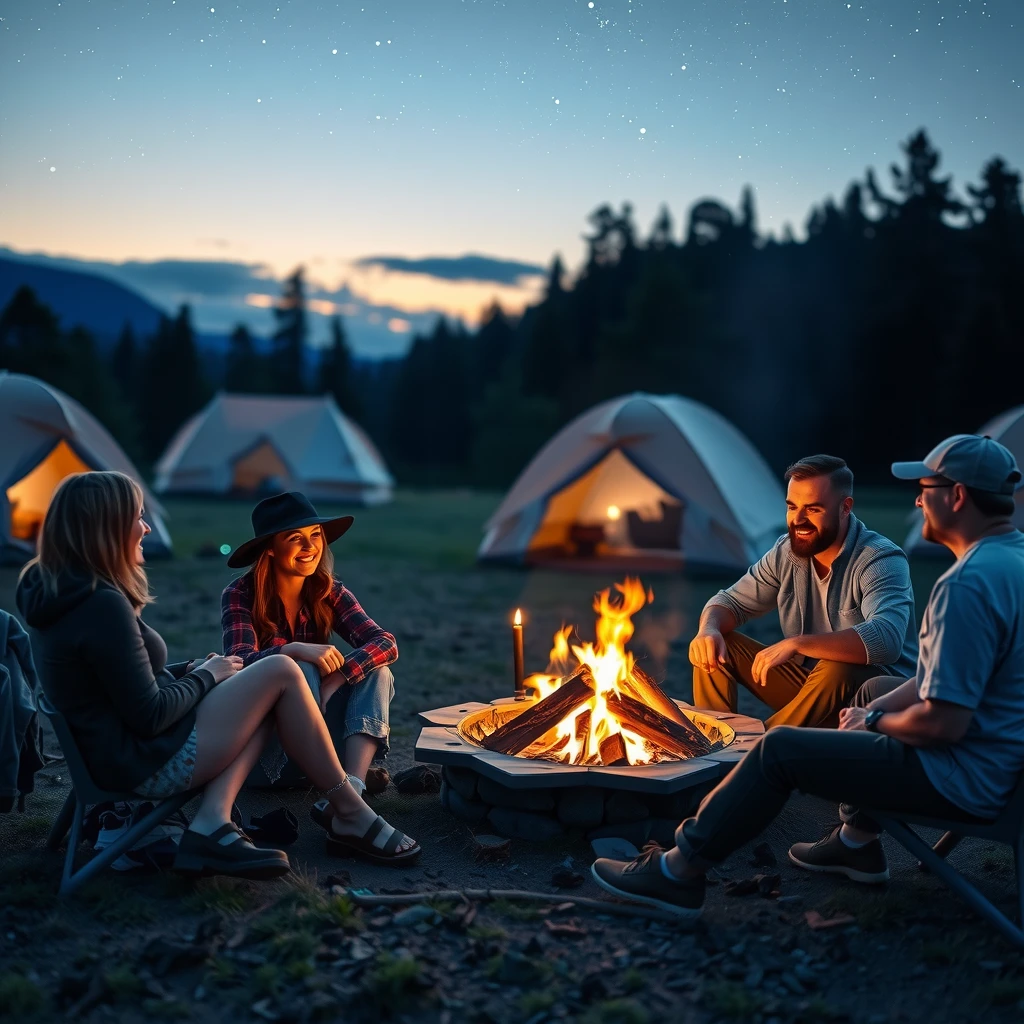
Bonding activities strengthen ties. Try group games, cooking classes, or nature walks. These create shared memories.
The National Institutes of Health suggests social wellness activities like hobby groups to build connections. Adapt this for families with picnics or storytelling circles.
Use a table to organize activities:
| Day | Morning Activity | Afternoon Activity | Evening Activity |
|---|---|---|---|
| 1 | Yoga Session | Nature Hike | Family Dinner |
| 2 | Tai Chi Practice | Bonding Games | Meditation |
| 3 | Free Time | Cooking Workshop | Reflection Circle |
Keep activities inclusive. Adjust for different fitness levels. Encourage participation without pressure.
Nutrition matters too. Plan healthy meals with fresh ingredients. Involve kids in prep to teach good habits.
Handling Logistics
Pack essentials like comfortable clothes, sunscreen, and first-aid kits. Assign roles: one handles food, another activities.
Consider digital detox. Limit screens to focus on presence. This enhances bonding.
Safety first. Check weather, have emergency plans, and ensure accessibility for all.
Personal Insights from Past Retreats
I've organized several family retreats. One highlight was a Tai Chi session by a lake. It started awkward but ended with everyone relaxed and closer. Small moments like these build lasting bonds.
Challenges arise, like differing interests. Solve by voting on activities. Flexibility keeps everyone happy.
Measuring Success
After the retreat, reflect. Discuss what worked and what to improve. This ensures future ones are better.
In summary, planning a family wellness retreat involves setting goals, choosing activities like Tai Chi, and focusing on bonding. With these tips, you'll create a successful experience that boosts health and relationships.
(Word count: approximately 1520)

Discuss Here