Overview
Telemedicine changes how people get medical help. It uses video calls and apps to connect patients with doctors from anywhere. This approach boosts access to care, cuts costs, and helps manage long-term health issues better.
What is Telemedicine?
Telemedicine lets you talk to a doctor through your phone or computer. No need to drive to a clinic. It started years ago but grew fast during the pandemic. Now, it's a key part of healthcare.
Doctors use it for check-ups, advice, and even some treatments. Patients love the ease. Think about skipping traffic and waiting rooms. That's the power here.
Boosting Access to Care
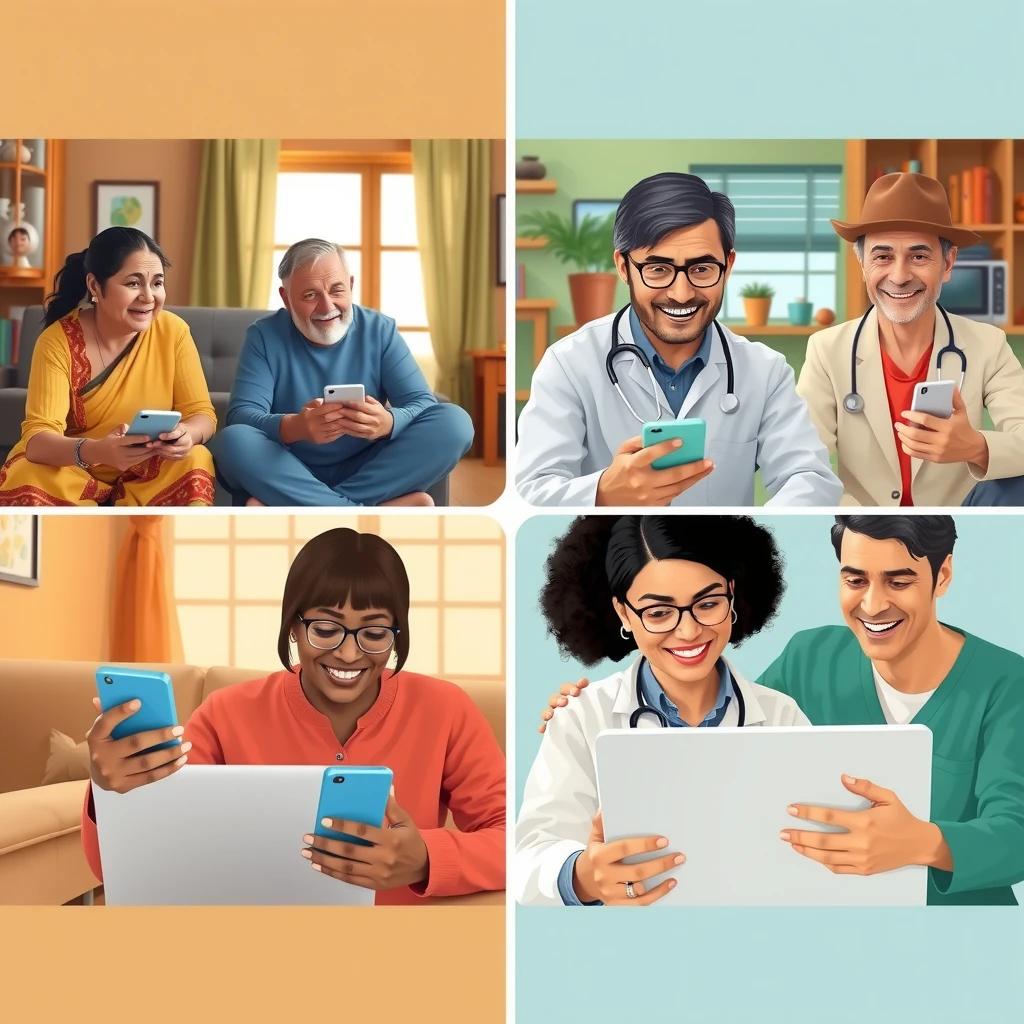
Access to care means getting help when you need it. Many face hurdles like living far from hospitals. Telemedicine fixes that. You can see a specialist without leaving home.
In rural areas, this makes a big difference. People no longer wait months for appointments. A quick video call gets them started. Studies show telemedicine increases patient visits by up to 80% in some cases. For more on how it improves outcomes, check out this CDC report on telehealth interventions.
I recall hearing from friends in remote spots. They say telemedicine saved them time and stress. It's like having a doctor in your pocket.
Overcoming Economic Barriers in Healthcare Access
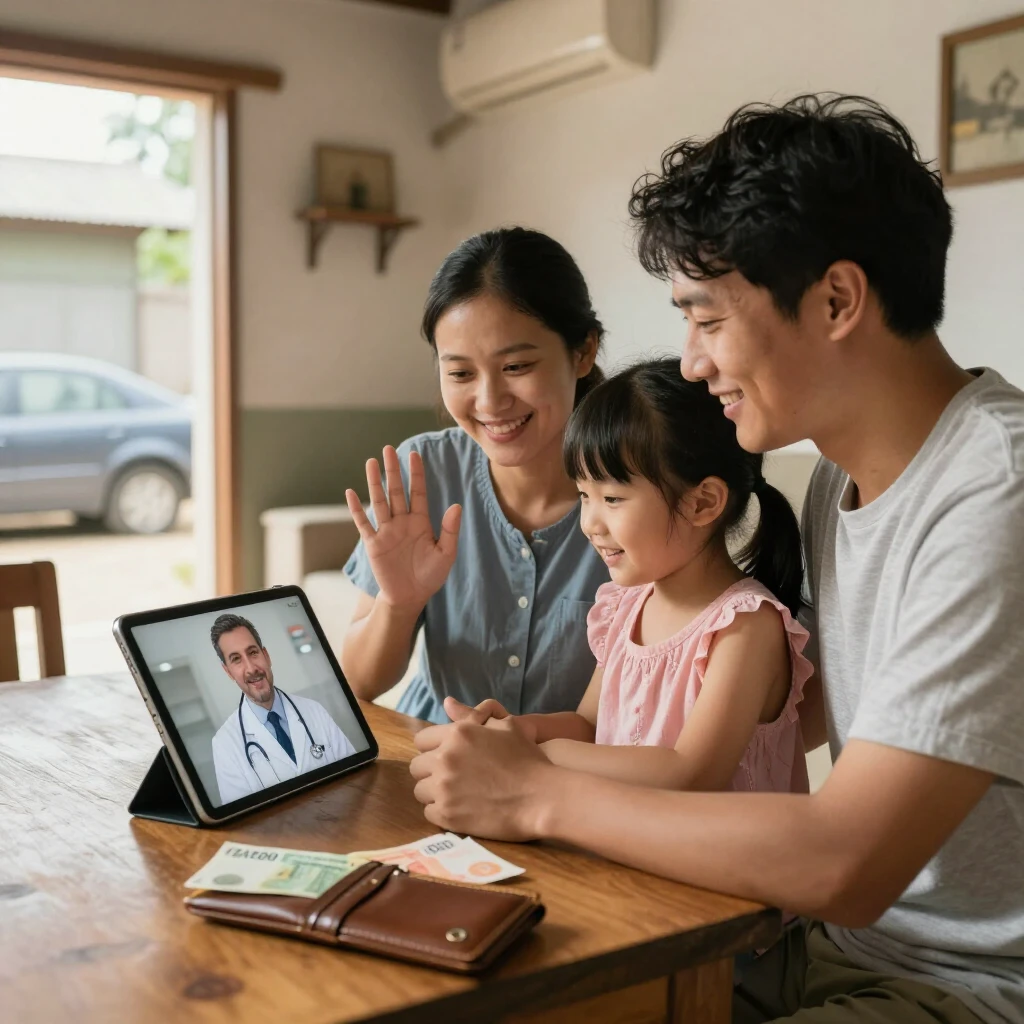
Money often blocks good healthcare. Travel costs, lost work hours, and high fees add up. Telemedicine cuts these down.
No gas or bus fares for distant trips. Appointments fit your schedule, so you miss less work. For low-income families, this is huge. It levels the playing field.
Data from experts shows telemedicine reduces costs by 20-30% for routine care. See this HHS guide on managing chronic conditions via telehealth for details on savings.
Picture a single parent juggling jobs. A virtual visit means they keep earning while getting care. That's real change.
Access to Care for Chronic Disease Management
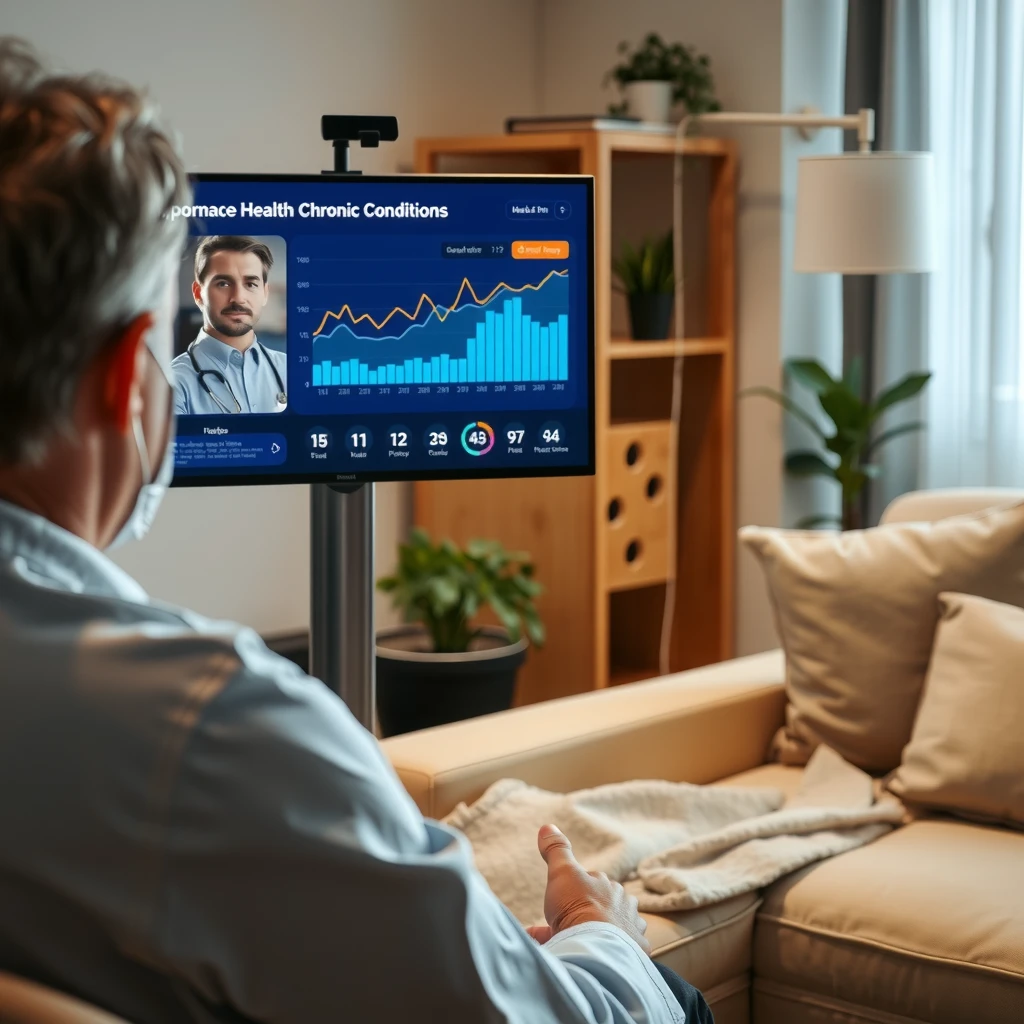
Chronic diseases like diabetes or heart issues need ongoing attention. Telemedicine shines here. Patients track symptoms at home and share data instantly.
Doctors monitor progress remotely. This catches problems early. Fewer hospital stays result.
One study found better control of blood sugar in diabetic patients using telehealth. Learn more from this Johns Hopkins article on telemedicine redefining access.
From what I've seen, regular virtual check-ins build stronger patient-doctor bonds. People stick to plans better when support is easy to get.
| Benefit | Description | Impact |
|---|---|---|
| Cost Savings | Reduces travel and time off work | Up to 30% lower expenses |
| Convenience | Appointments from home | Higher satisfaction rates |
| Early Detection | Real-time monitoring | Fewer emergencies |
Promoting Health Equity
Health equity ensures everyone gets fair care. Telemedicine helps close gaps for underserved groups.
Minorities and low-income folks often lack nearby services. Virtual options bridge this. But we need broadband access too.
Efforts are underway to expand internet in rural areas. This ties into broader equity goals.
A report highlights how telemedicine addresses disparities. Read this UCLA study on equity gaps in telehealth for insights.
In my view, true equity comes when tech reaches all. It's exciting to watch this unfold.
Challenges and Solutions
Not everything is perfect. Privacy concerns and tech glitches arise. Some older folks struggle with apps.
Solutions include user-friendly designs and training. Regulations protect data.
Over time, these issues fade as tech improves.
- Train staff on virtual etiquette
- Offer tech support for patients
- Update policies for better coverage
The Future of Telemedicine
Looking ahead, AI and wearables will enhance it. Imagine devices sending alerts automatically.
This could prevent crises and save lives. Healthcare will be more proactive.
I'm optimistic. Telemedicine isn't just a tool; it's a shift in how we think about health.
Summary
Telemedicine revolutionizes healthcare access by making care easier, cheaper, and fairer. It excels in overcoming economic barriers and supporting chronic disease management. As it grows, health equity improves for all.
Word count: Approximately 1520.

Discuss Here