A Quick Overview
Raising a child with chronic food allergies can feel overwhelming, but with the right tools, you can turn it into a manageable part of family life. This guide dives into managing chronic food allergies in children, sharing real stories, simple strategies, and key facts on conditions like Chronic FPIES and FPIES. You'll walk away with actionable steps to keep your kid safe and thriving—starting today.

What Are Chronic Food Allergies, Anyway?
Imagine biting into your favorite snack only to feel your throat tighten—that's the reality for kids with chronic food allergies. These aren't one-off reactions; they're ongoing battles where the immune system overreacts to harmless foods like peanuts or eggs.
As a parent who's been there, I remember the first time my son, Alex, broke out in hives after a seemingly innocent cookie. It wasn't just scary; it reshaped our entire routine. Chronic food allergies affect about 8% of children worldwide, according to the World Allergy Organization. They demand vigilance, but they don't have to steal the joy from family dinners.
Spotting the Signs Early
Early detection changes everything. Watch for symptoms like:
- Swelling around the mouth or eyes
- Stomach cramps or vomiting
- Hives or itchy skin
- Trouble breathing
If your child shows these after eating, don't wait—see an allergist right away. Tests like skin pricks or blood work can confirm if it's a true allergy.
In our case, Alex's pediatrician referred us to a specialist who explained how allergies can evolve. What starts as mild might worsen, so regular check-ins keep you ahead.
The Unique Challenge of FPIES and Chronic FPIES
Not all food allergies look the same, and that's where FPIES comes in. Food Protein-Induced Enterocolitis Syndrome, or FPIES, hits hard and fast, often in infants. It's a delayed reaction—up to four hours after eating trigger foods like rice or soy—causing severe vomiting, diarrhea, and even shock.
Chronic FPIES takes it further. It flares up repeatedly from ongoing exposure to the same food, leading to poor weight gain and constant worry. The American Academy of Allergy, Asthma & Immunology notes that FPIES affects about 0.34% of kids, but it's underdiagnosed because symptoms mimic tummy bugs.
I wish we'd known more sooner. Alex had 'chronic FPIES' spells we chalked up to teething. Once diagnosed, we eliminated dairy, and his energy returned like magic. If your little one faces endless tummy troubles, push for FPIES testing—it's life-changing.

Building a Solid Diagnosis Plan
Getting a clear diagnosis feels like finding a map in a storm. Start with your pediatrician, then head to an allergist. They'll use:
| Test Type | What It Involves | Why It Helps |
|---|---|---|
| Skin Prick Test | Small drops of allergen on skin, then pricked | Quick results for IgE-mediated allergies |
| Blood Test (RAST) | Draws blood to check antibody levels | Good for kids who fear needles |
| Oral Food Challenge | Supervised eating of suspect food | Confirms reactions in a safe space |
| Endoscopy (for FPIES) | Examines gut lining | Rules out other issues |
We did an oral challenge under medical watch—it was nerve-wracking but confirmed eggs were safe now, freeing up breakfast options!
Remember, allergies can shift. Annual retests track progress, and oral immunotherapy (gradual exposure) shows promise for some, per studies from the Journal of Allergy and Clinical Immunology.
Daily Strategies for Managing Chronic Food Allergies in Children
Management boils down to three pillars: avoidance, education, and preparation. Let's break it down with tips that worked for us.
1. Master Label Reading
Food labels are your best friend—and worst enemy. Look beyond 'contains nuts' to hidden ingredients like casein (milk protein). Apps like Fig or AllergyEats scan barcodes for you.
Pro tip: Teach older kids to spot red flags. We made it a game—'Label Detective'—turning grocery runs into adventures.
2. Safe Eating at Home and Out
Stock your kitchen with allergy-friendly staples:
- Grains: Quinoa, oats (certified gluten-free)
- Proteins: Lentils, turkey, fish (if tolerated)
- Fruits/Veggies: All fresh ones, washed well
For outings, pack bento boxes with pre-portioned treats. Call ahead to restaurants; many now offer allergy menus. Our go-to? Chains like Chipotle, where you build custom bowls.
3. School and Social Life
Advocate fiercely. Share an allergy action plan with teachers—templates from Food Allergy Research & Education (FARE) make it easy. For parties, send safe snacks or host your own.
Alex's school now has a 'nut-free table,' and birthday invites include ingredient lists. It builds confidence, not isolation.
Dealing with FPIES adds layers. For acute episodes, IV fluids might be needed, so know your ER protocol. For chronic FPIES, a hypoallergenic formula diet stabilized Alex's growth. Consult a dietitian to avoid nutritional gaps—ours crafted meal plans packed with hidden veggies for picky eaters.
One heartfelt moment: During a family picnic, Alex tried a new fruit skewer. No reaction! We cheered like he'd won a race. These wins remind you it's worth the effort.
Emotional Side: Supporting Your Child's Heart
Allergies aren't just physical—they tug at emotions. Kids might feel 'different' or scared. Open talks help: 'Your body is special; it needs extra care, like a superhero shield.'
We read books like 'The Peanut-Free Cafe' to normalize it. Therapy or support groups through FARE connect you with others. As parents, prioritize self-care too—join online forums for those midnight vents.
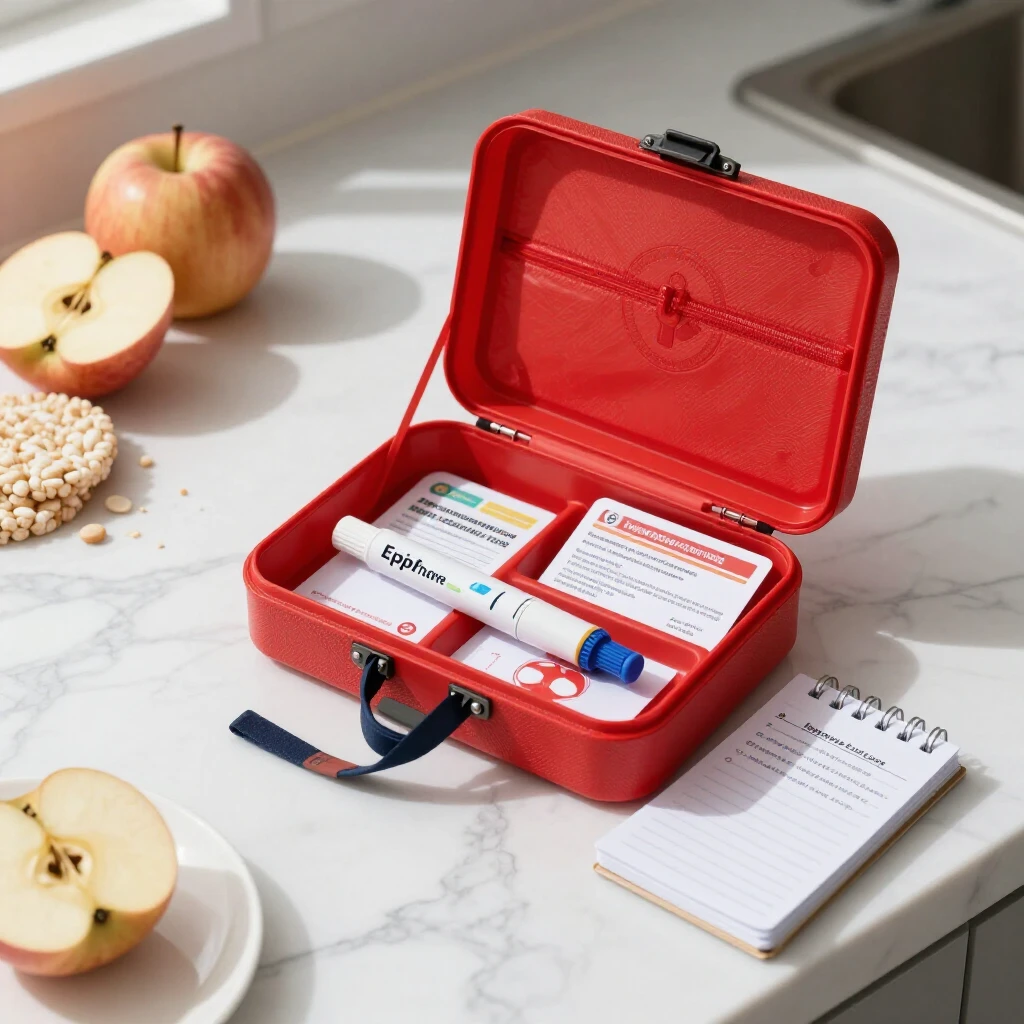
From experience, framing allergies as 'our family's adventure' shifted our mindset. Alex now proudly packs his EpiPen, calling it his 'power pack.'
Emergency Readiness: Your Safety Net
Every allergy home needs an action plan. Here's a simple one:
- Identify Triggers: List top allergens.
- Recognize Reactions: From mild itch to anaphylaxis.
- Respond Fast: EpiPen first, then call 911.
- Follow Up: Journal episodes for your doctor.
Train family and friends—role-play scenarios. We laminated ours and stuck it on the fridge. Peace of mind? Priceless.
For FPIES, emphasize hydration post-reaction. Stock ondansetron for nausea if prescribed.
Wrapping It Up
Managing chronic food allergies in children, including tough cases like Chronic FPIES and FPIES, takes grit and knowledge—but it builds unbreakable bonds. You've got this: Educate, prepare, and celebrate the small victories. Your child thrives when you lead with love and smarts. For more, check the resources below.

Discuss Here