Overview
Access to care for elderly patients is crucial in today's aging society. With populations growing older, ensuring equitable health services helps seniors live healthier, independent lives. This article dives into barriers, solutions, and ways to promote health equity, community health, and family wellness.
As we age, our health needs change. Simple tasks like visiting a doctor can become hard. I've seen this firsthand with my grandparents, who struggled with getting timely care. That's why improving access to care for elderly patients matters so much. It affects not just individuals, but entire families and communities.
Understanding the Challenges
Elderly patients face many hurdles in getting the care they need. These barriers often stem from social, economic, and systemic issues. Let's break them down.
First, transportation is a big problem. Many seniors don't drive anymore. Public transit might not reach rural areas, and rides from family aren't always available. Studies show that about 3.6 million older Americans miss medical appointments each year due to lack of transport .
Then there's the cost. Even with Medicare, out-of-pocket expenses add up. Low-income elders might skip meds or check-ups to save money. This ties into health equity, where poorer or minority groups suffer more.
Workforce shortages in healthcare worsen things. With fewer geriatric specialists, wait times grow. The U.S. faces a shortfall of up to 124,000 physicians by 2034, hitting elder care hard .
Technology gaps are another issue. Telehealth helps, but not all seniors have internet or know how to use it. This digital divide limits access to care for elderly patients in remote spots.
Ageism in healthcare is real too. Some providers dismiss seniors' concerns as 'just old age.' This leads to poorer outcomes. About 20% of people over 50 face age-based discrimination in healthcare .
Rural living amplifies these problems. Limited clinics and specialists mean longer travels. Urban areas might have more options, but overcrowding causes delays.

Health Equity in Elder Care
Health equity means everyone gets the care they need, regardless of background. For elderly patients, disparities are stark. Minority and low-income seniors often have worse health outcomes.
Social determinants play a key role. Things like education, housing, and community safety affect health. Older adults in underserved areas might lack nutritious food or safe exercise spots .
Racial gaps exist too. Black and Hispanic elders face higher rates of chronic diseases and less access. For example, they might have trouble with language barriers or cultural mismatches in care.
To address this, we need inclusive policies. Programs that train providers in cultural competence help. Also, expanding insurance coverage reduces financial barriers.
From my view, health equity starts at home. Families can advocate for better care, ensuring their loved ones aren't overlooked.
Community Health Programs: A Lifeline
Community health initiatives bridge gaps in access to care for elderly patients. These programs offer local support, making services easier to reach.
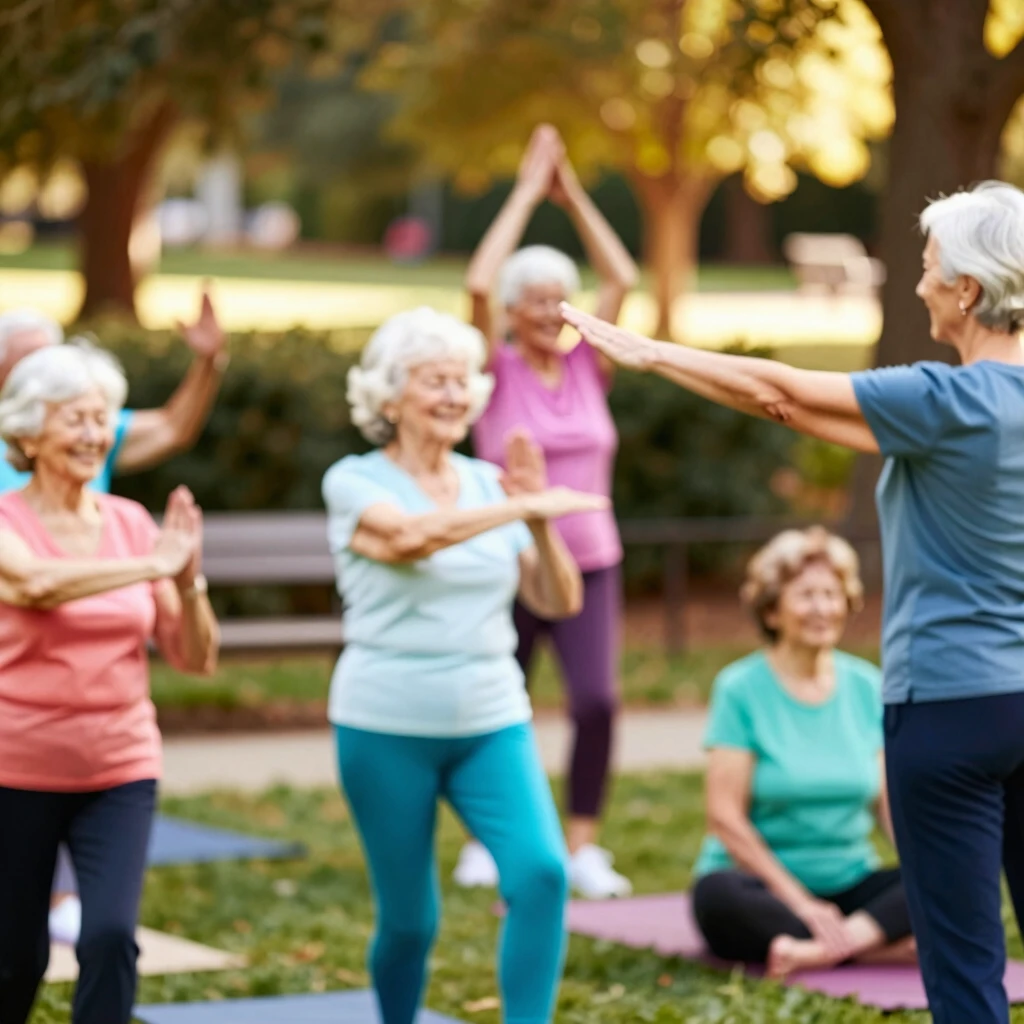
Senior centers are great examples. They provide meals, fitness classes, and social events. In New York City, over 300 centers serve free daily meals and activities .
Home-based services help too. Nurses visit for check-ups, meds management, and daily help. This keeps seniors independent longer.
PACE programs stand out. For those 55+, they deliver comprehensive care at home or centers. ArchCare's PACE in NYC focuses on nursing-home-level care without institutionalization .
Nutrition services like Meals on Wheels deliver healthy food, fighting food insecurity. Transportation aid, such as volunteer rides, solves mobility issues.
Here's a quick list of key community health benefits: - Social interaction to reduce isolation - Preventive health screenings - Exercise programs for physical wellness - Mental health support groups
Family Wellness and Support Roles
Family wellness ties closely to elder care. When families thrive, they provide better support for aging relatives.
Caregiving can strain families. Burnout is common, affecting mental health. Support programs offer respite care, giving breaks to caregivers.
In Colorado, caregiver support includes training and counseling . This helps maintain family wellness while ensuring quality care.
Involve the whole family. Share tasks like doctor visits or meal prep. This builds stronger bonds and prevents overload.
Personal story: When my aunt cared for her mom, joining a support group changed everything. She learned coping skills and connected with others.
Wellness tips for families: 1. Schedule regular check-ins. 2. Use tech for reminders. 3. Prioritize self-care for caregivers. 4. Seek professional help when needed.
Actionable Steps to Improve Access
You can make a difference. Start by assessing needs. Talk to your elderly loved ones about their challenges.
Advocate for better services. Contact local reps about funding community health programs.
Use resources like the Eldercare Locator for local help . It's a free service connecting to aging services.
Embrace telehealth. Learn simple apps for virtual visits, reducing travel needs.
Build a support network. Join community groups or online forums for tips and encouragement.
Table: Common Barriers and Solutions | Barrier | Solution | |---------|----------| | Transportation | Volunteer ride programs or public transit subsidies | | Cost | Medicare assistance and low-income aid | | Technology | Training sessions at senior centers | | Isolation | Social clubs and virtual meetups |

Wrapping Up
Improving access to care for elderly patients requires teamwork. By tackling challenges and using community health resources, we promote health equity and family wellness. Small steps lead to big changes, helping seniors age with dignity.

Discuss Here