A Growing Focus on Fair Health in Later Years
People live longer today thanks to better medicine and public health efforts. Yet not everyone enjoys these gains equally. The American Public Health Association (APHA) highlights this issue in their resource on Discover Aging and Health Equity from the American Public Health Association. Health equity means everyone gets a fair chance at good health, no matter their background.
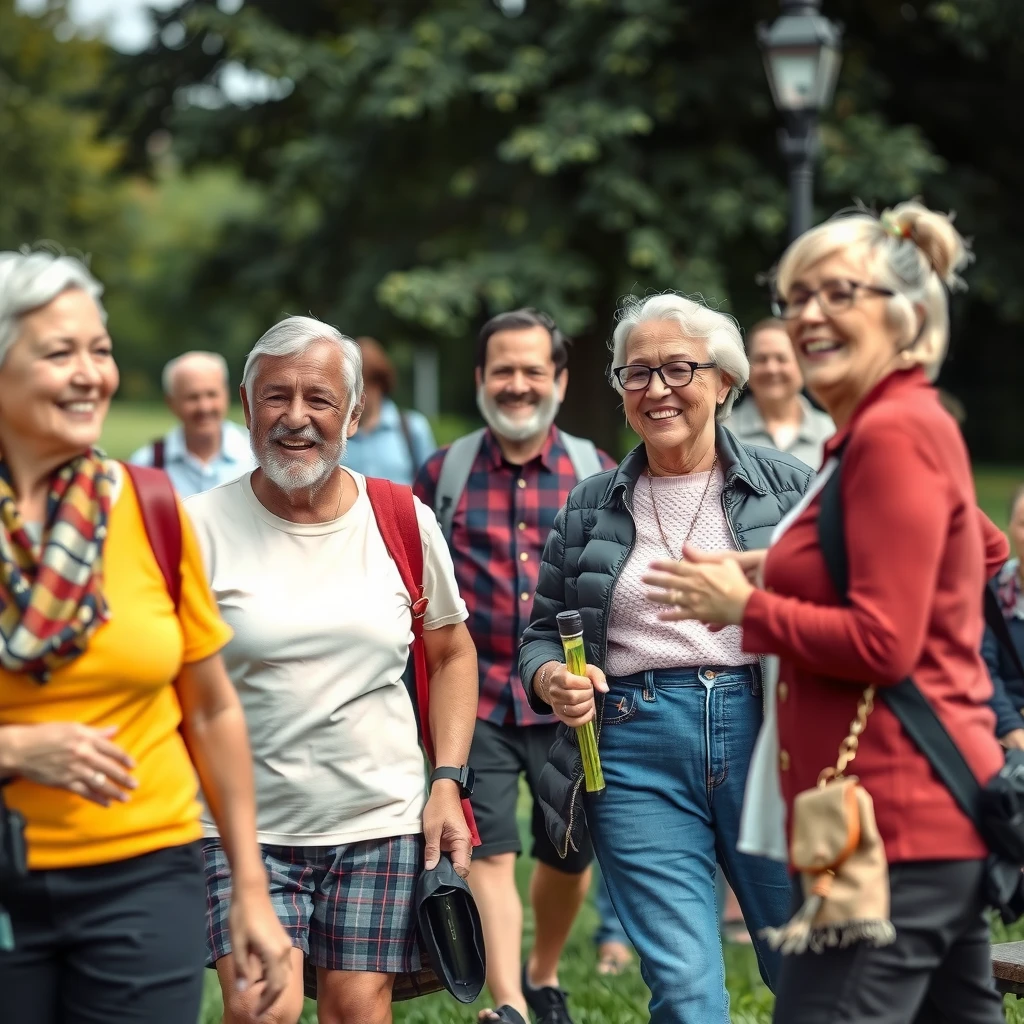
By 2034, more Americans over 65 will outnumber children. This shift brings opportunities and challenges. Many older adults stay healthy and live at home, but disparities persist. Black, Hispanic, and American Indian/Alaska Native seniors often face shorter lives and poorer health due to lifelong inequities.
Understanding the Disparities
Health advances do not reach everyone the same way. Factors like race, income, education, and poverty play big roles. For example, two in five older adults live with a disability, and ableism adds another layer of challenge. Ageism worsened outcomes during COVID-19, leading to higher illness and death rates among seniors.
The Centers for Disease Control and Prevention (CDC) reports on healthy aging show that minority groups experience higher rates of chronic conditions. Studies from the National Institute on Aging (NIA) confirm persistent gaps in life expectancy and disease burden.

Barriers to Access to Care for Elderly Patients
Many older adults struggle to get the care they need. Common hurdles include high medical bills, lack of transportation, and safety concerns in their neighborhoods. Some feel doctors do not listen to their worries fully.
Low income and lack of extra insurance make these problems worse. Women and those in poverty report more barriers. Research shows these issues affect access to care more than race alone in some cases, though racism intersects with them.
The World Health Organization (WHO) facts on ageing and health note global challenges, including up to 40% of dementia cases potentially preventable through better risk management.
Here are key barriers older adults face:
- Financial costs: Bills and lack of coverage stop visits.
- Transportation: Hard to reach clinics without reliable rides.
- Communication: Feeling unheard by providers.
- Location: Rural or unsafe areas limit options.
Improving access to care for elderly patients starts with addressing these directly.
Building Health Equity and Community Health
APHA calls for action against ageism and ableism. They recommend following frameworks from WHO and the National Academy of Medicine. Communities can become age-friendly with better housing, transport, and social options.
Community health plays a vital role. Local programs help seniors stay connected and active. Brain health tips from APHA include quitting smoking, managing blood pressure, and staying social.
A strong public health approach supports home care workers and dementia care teams. Policies should fund nature access and physical activity for older adults.

Actionable Steps You Can Take
We all can contribute to better outcomes:
- Advocate for policies that reduce disparities.
- Support local senior programs.
- Learn about brain health and share tips.
- Challenge ageism in daily conversations.
Personal insight: I've seen how community connections keep my older relatives thriving. Simple walks with neighbors make a big difference.
Health equity in aging benefits everyone. Fair access to care for elderly patients builds stronger communities.
Wrapping It Up
The APHA's work on aging reminds us that longer lives should mean better, fairer lives. By tackling disparities, improving access to care, and boosting community health, we create a society where everyone ages well.
Start small—check on an older neighbor or learn more from trusted sources. Together, we advance health equity for future generations.

Discuss Here