Overview
Aversion therapy for nail-biting uses unpleasant stimuli to stop the habit. While simple methods like bitter nail polish offer quick relief, research shows behavioral therapies lead to lasting change. This guide covers how it works, pros, cons, and effective alternatives.
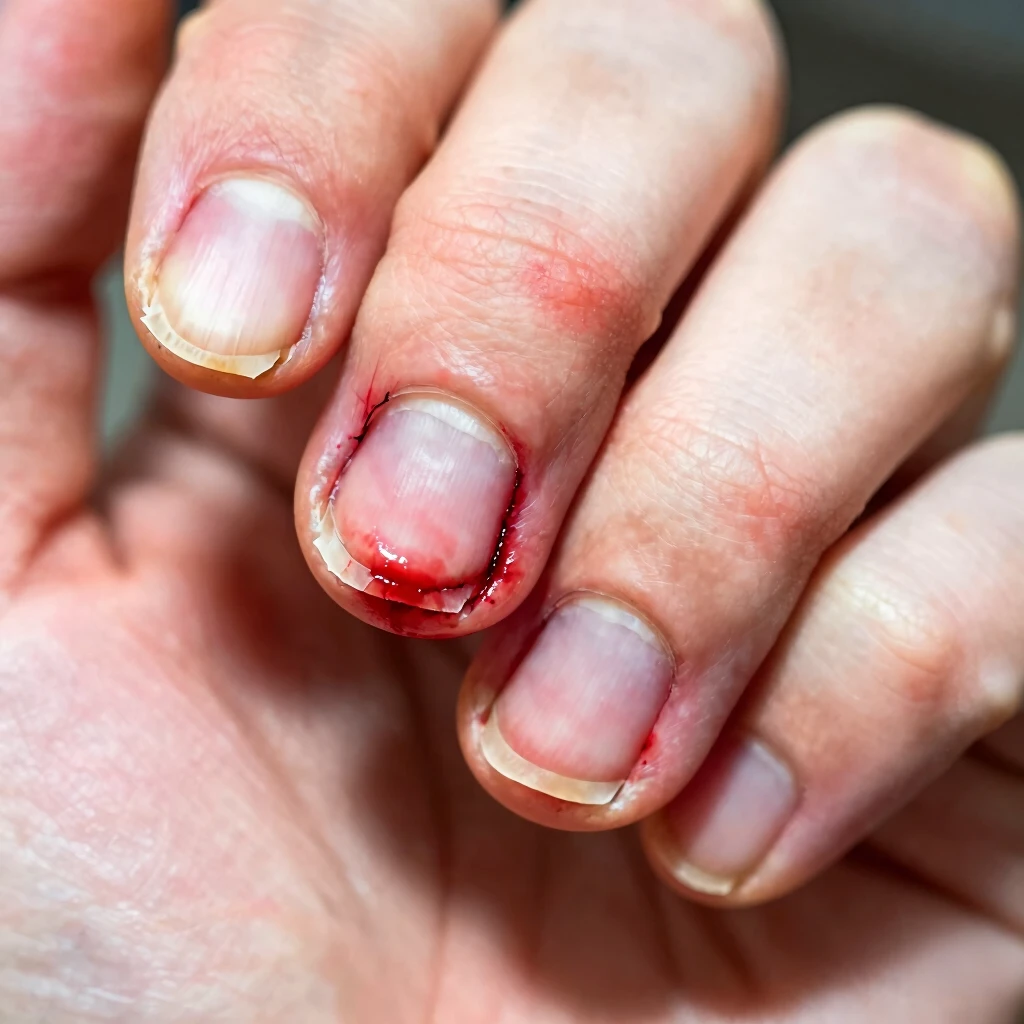
Many people bite their nails without thinking. It starts as a way to handle stress or boredom. Over time, it becomes a hard habit to break. Nail-biting, or onychophagia, affects up to 30% of adults and more kids.
I remember biting my nails during exams in school. The habit stuck around into adulthood, leaving my fingers sore and my nails short. If this sounds familiar, you are not alone. The good news is you can stop it with the right approach.
What Is Aversion Therapy?
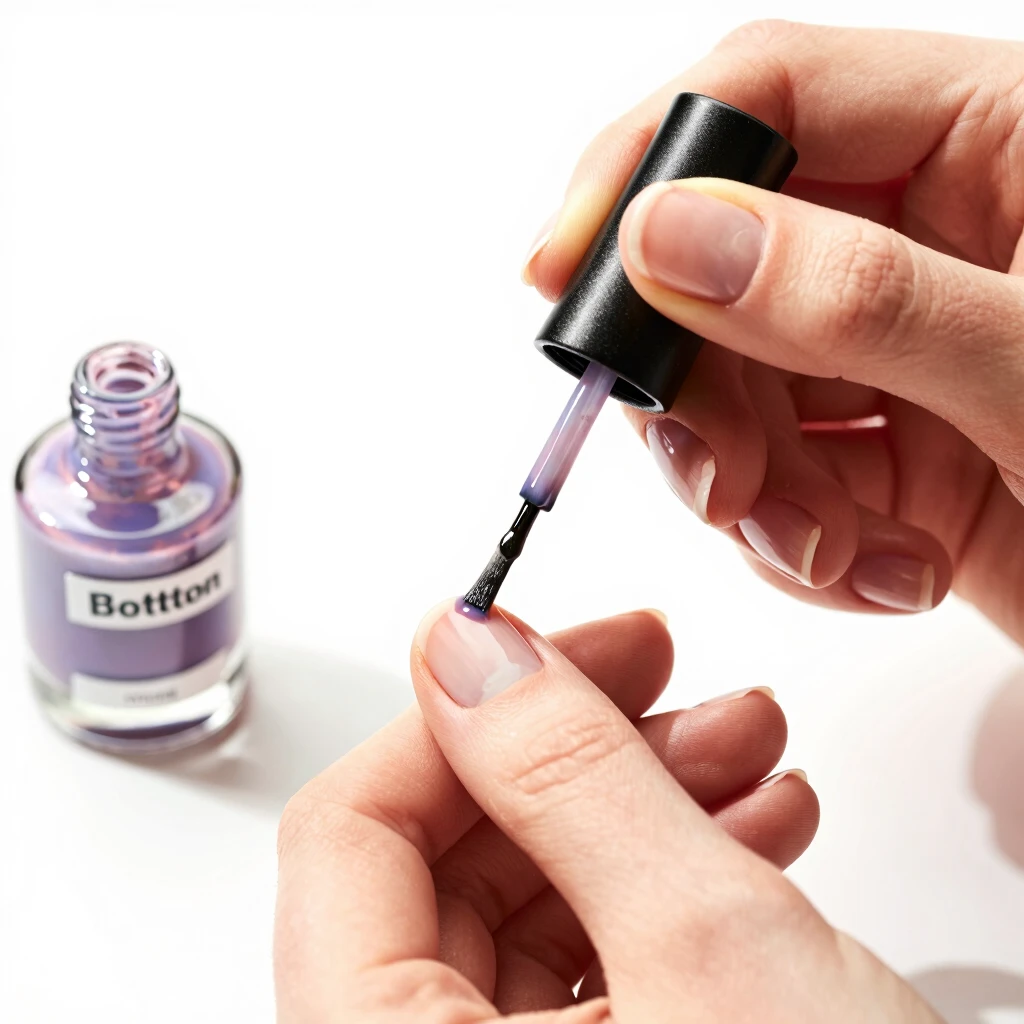
Aversion therapy pairs the unwanted behavior with something unpleasant. For nail-biting, the most common form is mild aversion therapy. You apply a bitter-tasting polish to your nails. When you bite, you get a bad taste that discourages the action.
This idea comes from behavioral therapy principles. It aims to create a negative link with biting. Products like Mavala Stop or Control-It use safe, bitter substances like denatonium benzoate.
Other old forms included electric shocks or negative practice, but those are rarely used today due to ethics and discomfort.
How Effective Is Aversion Therapy for Nail-Biting?
Studies show mixed results. A study published in Behaviour Research and Therapy compared mild aversion (bitter polish) to other methods. Both improved nail length, but competing response training worked better overall.
Another research on chronic nail-biters found bitter polish led to significant nail growth, but habit reversal techniques provided more benefits like better control and less skin damage.
The National Center for Biotechnology Information hosts reviews showing aversion helps short-term, but many people forget to reapply or get used to the taste. Dropout rates can be higher compared to positive methods.
In my experience, bitter polish worked for a few weeks. The taste shocked me at first, but I learned to avoid biting only when the polish was fresh. It did not address why I bit my nails.
Pros and Cons of Aversion Therapy
Pros: - Easy to start at home - Cheap and available over-the-counter - No need for a therapist initially - Quick reminder when you bite
Cons: - Does not fix underlying triggers like stress - Taste can wear off or be ignored - May not work for severe cases - Can feel punishing rather than helpful
For family wellness, aversion therapy can involve parents applying polish for kids. But experts warn against punishment, as it might increase anxiety. Positive support works better for long-term family habits.
Better Alternatives: Behavioral Therapy Options
Modern experts recommend habit reversal training (HRT), part of cognitive behavioral therapy. HRT teaches you to notice urges and replace biting with another action, like clenching fists or using a stress ball.
Research from PubMed shows HRT reduces biting by up to 99% in some studies, far better than aversion alone.
Other helpful steps: - Keep nails trimmed and smooth to remove triggers - Use fidget toys for busy hands - Practice relaxation for stress - Track progress in a journal
Combining methods often works best. Start with awareness, add a competing response, and seek professional help if needed.
Tips to Stop Nail-Biting Today
- Identify your triggers – stress, boredom, or TV time?
- Try bitter polish as a starter tool
- Replace the habit – squeeze a ball or breathe deeply
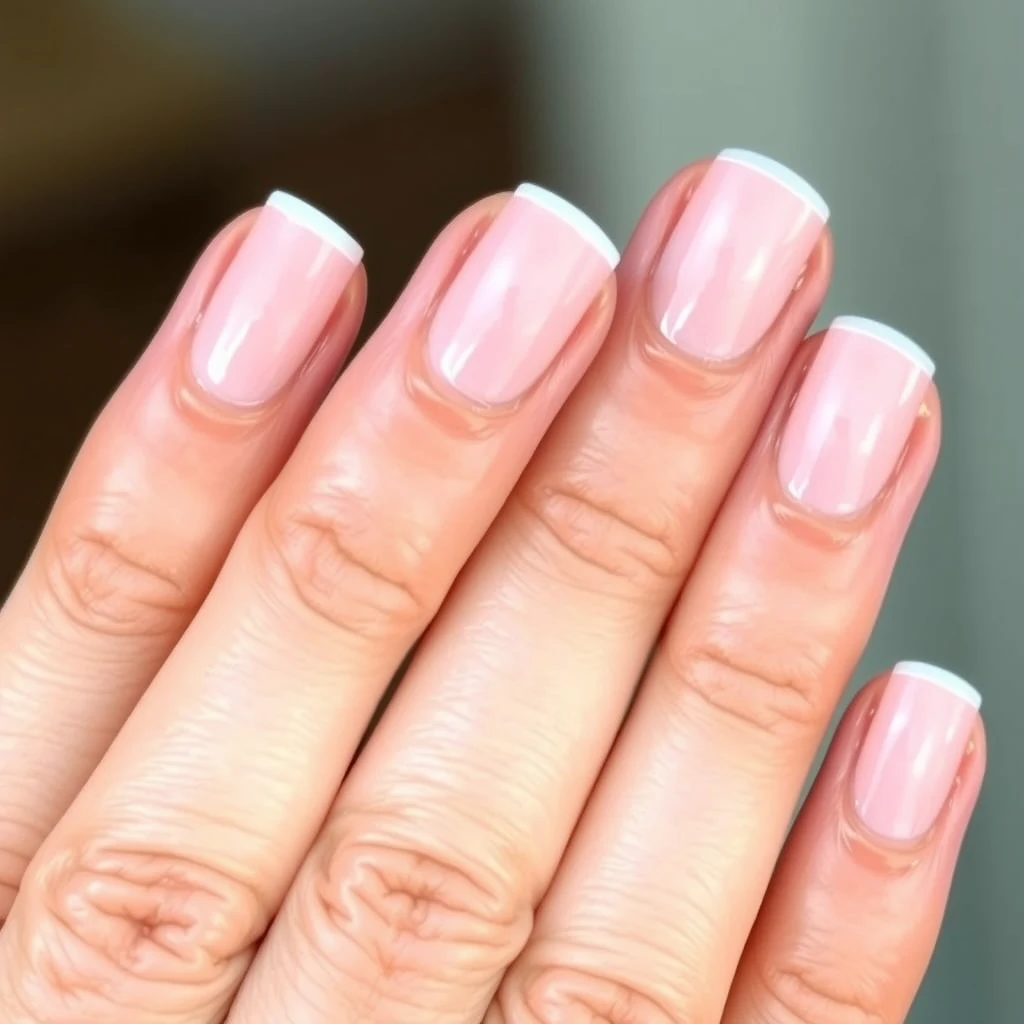
- Reward progress – treat yourself to a manicure
- Involve family for support and wellness
If the habit affects your confidence or causes infections, talk to a therapist trained in behavioral therapy. Family therapy can help if it's a shared stress response.
Final Thoughts
Aversion therapy for nail-biting offers a simple first step, but lasting success comes from understanding and replacing the habit. With patience and positive changes, you can grow strong, healthy nails and feel better overall.
Sources: - PubMed: Treating nailbiting - comparative analysis - PubMed: Chronic nailbiting comparison - NCBI: Update on Onychophagia Management

Discuss Here