Overview
Living with food allergies doesn't mean giving up on great food. This guide to Allergen-Free Cooking: Recipes for a Safe and Delicious Diet offers simple recipes, meal planning tips, and insights into conditions like FPIES. You'll find ways to make meals that everyone can enjoy safely.
Introduction to Allergen-Free Cooking
Food allergies affect millions of people. They can turn mealtime into a challenge. But with the right approach, you can create dishes that are both safe and full of flavor. I've dealt with allergies in my family, and I know the stress of checking every label. That's why allergen-free cooking matters. It keeps loved ones healthy while letting them enjoy food.
Allergen-free cooking means avoiding common triggers like nuts, dairy, eggs, and more. It focuses on fresh ingredients and smart swaps. For example, use coconut milk instead of dairy. Or try quinoa for a wheat-free base. These changes open up a world of tasty options.
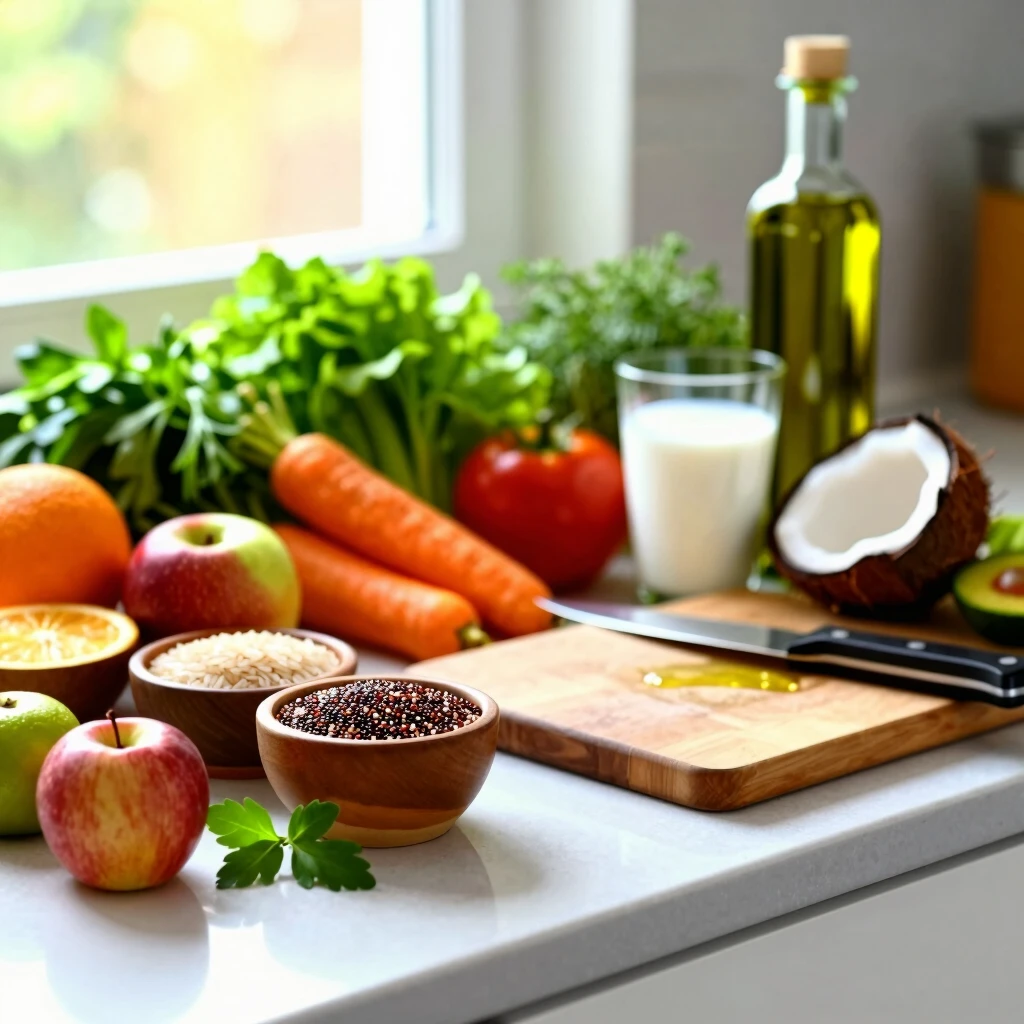
Many people start this journey because of a diagnosis. Take FPIES, or Food Protein-Induced Enterocolitis Syndrome. It's a rare gut reaction to foods. Understanding FPIES and allergen exposure is key. Symptoms show up hours after eating, unlike quick hives from other allergies. Kids often outgrow it, but careful diet management helps in the meantime.
Acute FPIES brings sudden vomiting and tiredness. It can scare families. But avoiding trigger foods like rice or oats prevents episodes. Work with doctors to spot triggers. Sites like the American Academy of Allergy, Asthma & Immunology offer great info on this.
Building an Allergen-Free Meal Plan
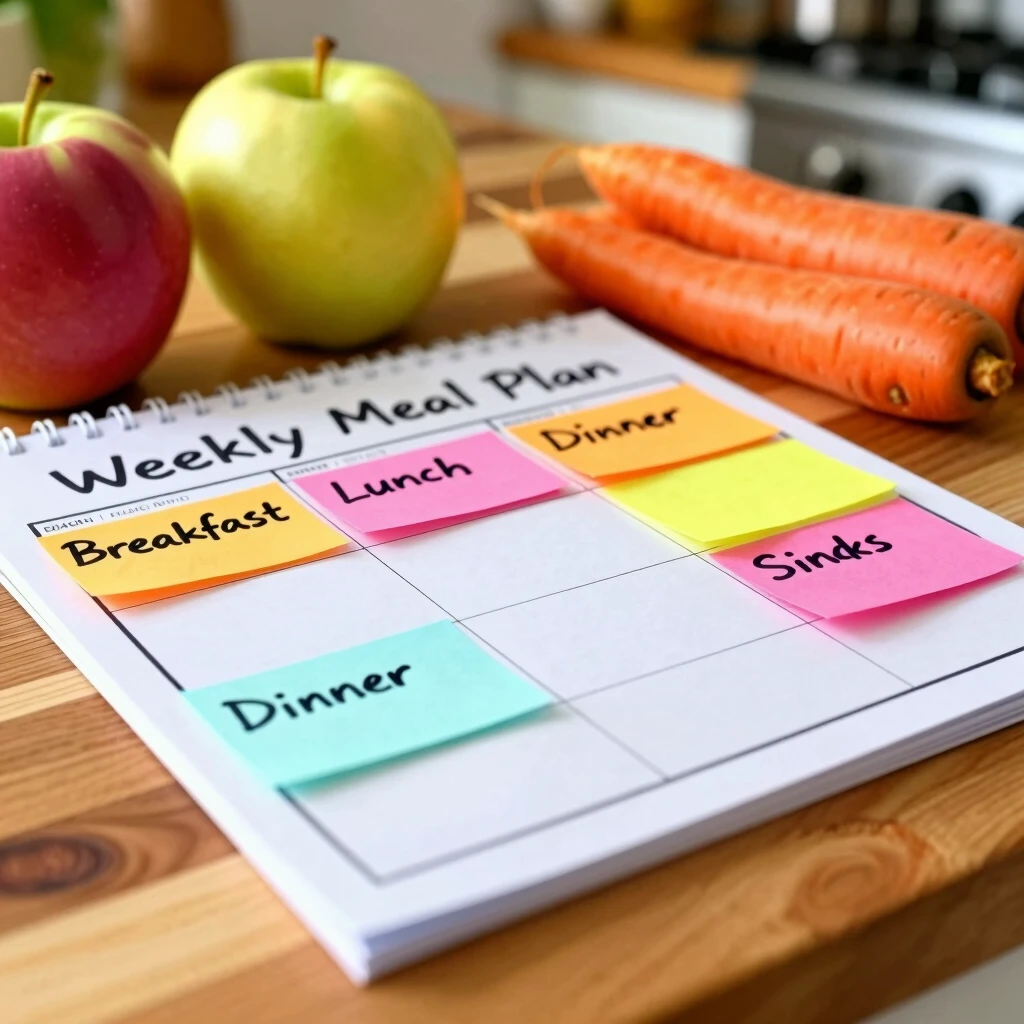
A good plan makes allergen-free living easier. Start by listing safe foods. Think about balance: proteins, veggies, fruits, and grains. Building an Allergen-Free Meal Plan takes time, but it pays off.
Here's a simple weekly plan:
| Day | Breakfast | Lunch | Dinner | Snack |
|---|---|---|---|---|
| Monday | Oat-free smoothie with banana and berries | Quinoa salad with veggies | Grilled chicken with sweet potatoes | Apple slices |
| Tuesday | Rice porridge with fruit | Turkey wrap (using corn tortillas) | Stir-fried veggies with tofu | Carrot sticks |
| Wednesday | Yogurt alternative with seeds | Lentil soup | Baked fish with greens | Handful of grapes |
| Thursday | Pancakes from buckwheat | Chickpea salad | Beef stir-fry | Pear |
| Friday | Fruit salad | Veggie burger (allergen-free) | Pasta from rice | Celery |
| Saturday | Eggs (if safe) with toast alternative | Soup | Pizza with safe toppings | Banana |
| Sunday | Smoothie bowl | Salad | Roast veggies | Orange |
Adjust for your needs. For FPIES, avoid common triggers like dairy or soy. Add variety to keep things fun. I remember planning for my niece with allergies. We focused on her favorites, like berry smoothies, to make it positive.
Stock your pantry with basics. Rice flour, almond-free butters, and herbs add flavor without risk. Read labels every time. Cross-contamination happens, so choose certified allergen-free products.
Involve the family. Let kids pick safe recipes. This builds good habits. One tip: Batch cook on weekends. Freeze portions for quick meals. It saves time and reduces stress.
Recipes for a Safe and Delicious Diet
Let's dive into recipes. These are free from top allergens. They're easy to make and taste great.
Veggie Stir-Fry
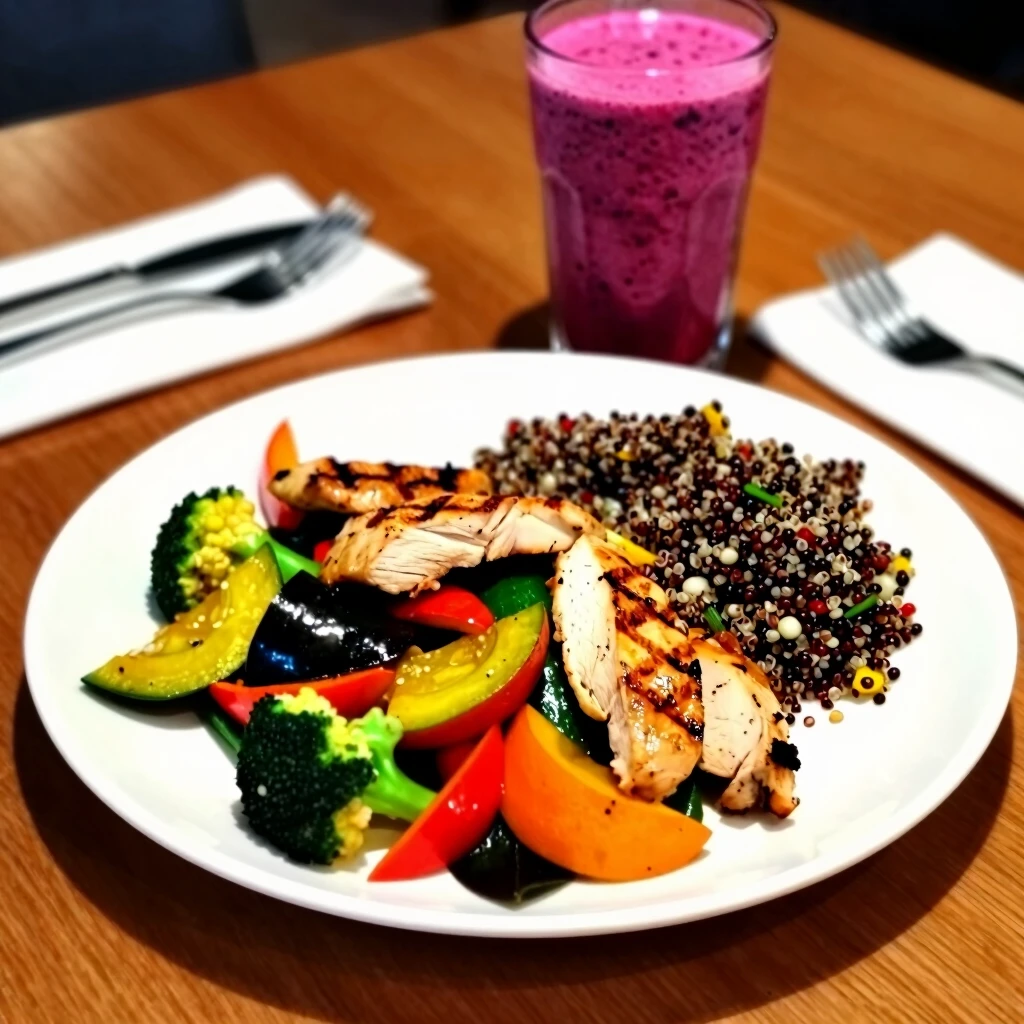
Ingredients: - 2 cups mixed veggies (broccoli, carrots, bell peppers) - 1 cup protein (chicken or tofu, if safe) - 2 tbsp olive oil - Salt and herbs to taste
Steps: 1. Heat oil in a pan. 2. Add veggies and protein. 3. Stir until tender. 4. Season and serve.
This dish is quick. It works for busy nights. For FPIES families, skip risky veggies.
Berry Smoothie
Ingredients: - 1 banana - 1 cup berries - 1 cup coconut milk - Ice
Blend until smooth. It's refreshing and nutrient-packed. My family loves it for breakfast.
Quinoa Salad
Ingredients: - 1 cup cooked quinoa - Chopped cucumber, tomato, onion - Lemon juice and oil dressing
Mix and chill. Perfect for lunch. Quinoa provides protein without allergens.
For desserts, try fruit pops. Freeze blended fruit in molds. Simple and fun.
Baking? Use rice flour for cookies. Add safe chocolate or vanilla. Experimenting led me to great finds, like apple crisps without nuts.
Understanding FPIES and allergen exposure helps tailor recipes. For acute FPIES, strict avoidance is crucial. Consult pros for challenges. Resources from Food Allergy Research & Education (FARE) guide safe trials.
Tips from Experience
I've learned a lot. First, communicate with schools and friends about allergies. It prevents accidents.
Shop smart. Farmers' markets offer fresh, unprocessed foods. Online stores have allergen-free sections.
Track reactions in a journal. It helps spot patterns, especially for FPIES.
Stay positive. Focus on what you can eat. Holidays? Adapt traditions, like egg-free cakes.
Nutrition matters. Allergies can limit options, so supplements might help. Talk to a dietitian.
Community support rocks. Forums share recipes and stories. It makes you feel less alone.
Summary
Allergen-Free Cooking: Recipes for a Safe and Delicious Diet empowers you to eat well safely. From Building an Allergen-Free Meal Plan to understanding FPIES and allergen exposure, small steps lead to big changes. Embrace it, and meals become joyful again.

Discuss Here