Overview
Aqua therapy offers seniors a gentle way to stay active and healthy. This low-impact exercise in water helps with strength, flexibility, and heart health without stressing joints. It's perfect for older adults looking to boost their well-being through fun, effective workouts.
What Is Aqua Therapy?
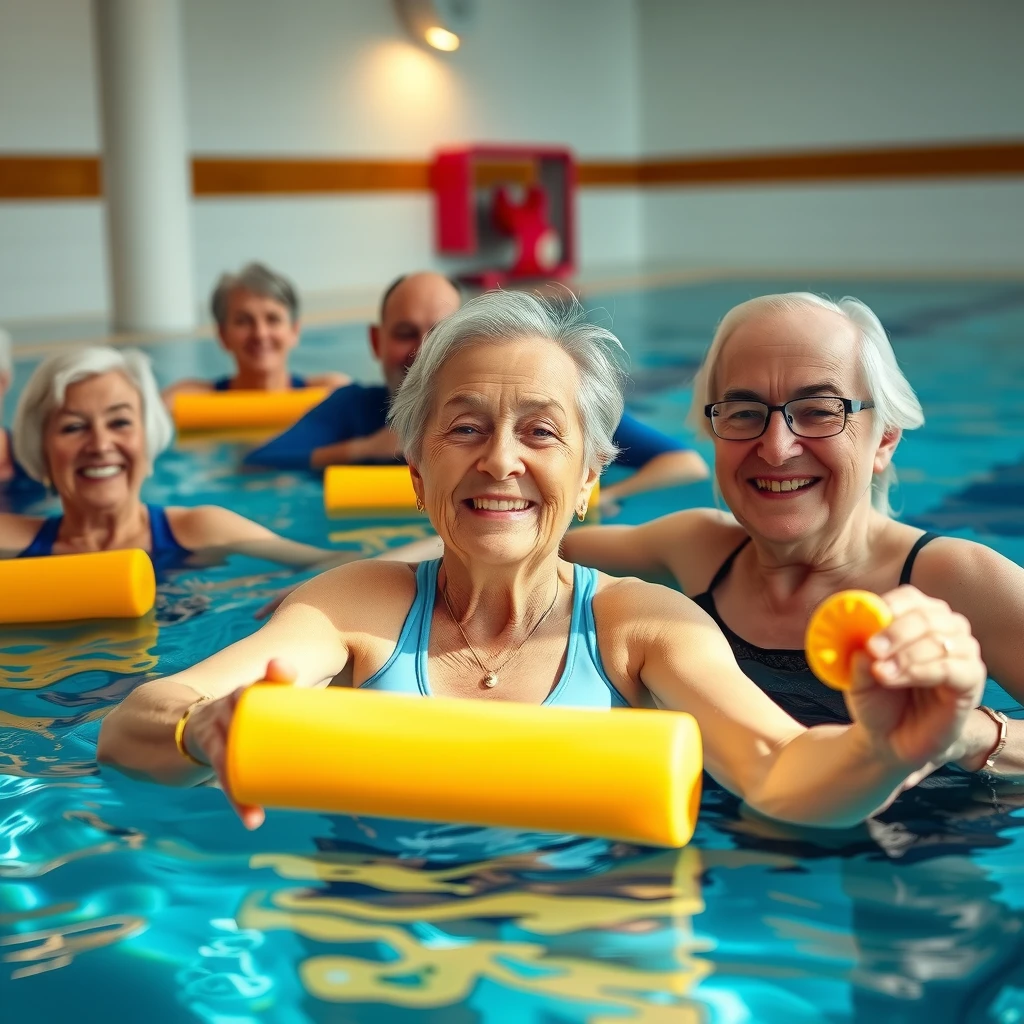
Aqua therapy, also known as water therapy or aquatic exercise, involves doing physical activities in water. You can do it in a pool, often with warm water to make it more comfortable. Unlike regular swimming, aqua therapy focuses on exercises that build strength, improve balance, and increase flexibility.
Many seniors find aqua therapy appealing because the water supports your body. This buoyancy reduces your weight by up to 90% when you're neck-deep in water. That means less pressure on your knees, hips, and back. It's a smart choice if you have arthritis or other joint issues.
You don't need to be a strong swimmer to start. Many programs offer classes where you stand in shallow water. Some use tools like noodles, kickboards, or hand webs to add resistance and fun.
The Benefits of Swimming for Seniors
Swimming and aqua therapy provide powerful benefits for seniors. First, they improve heart health. The water's resistance makes your heart work harder without the impact of running or jumping. Studies show that regular aquatic exercise can lower blood pressure and reduce the risk of heart disease.
Another big plus is better mobility. Water helps you move more freely, stretching muscles and joints that might feel stiff on land. Seniors often report less pain from conditions like osteoarthritis after consistent sessions.
Strength building happens naturally too. Pushing against water tones muscles without needing weights. This can help prevent falls by improving balance and core strength. One study found that older adults who did aqua aerobics for several months had better muscle mass and functional fitness.
Mental health gets a boost as well. Being in water can reduce stress and lift your mood. The soothing environment, combined with gentle movement, releases endorphins that make you feel good. Many seniors say they sleep better and feel more energized after aqua therapy.
For weight management, these activities burn calories effectively. You can torch more energy walking in water than on land because of the resistance. It's a great way to maintain a healthy weight without high-impact strain.
Wellness Programs That Boost Senior Health
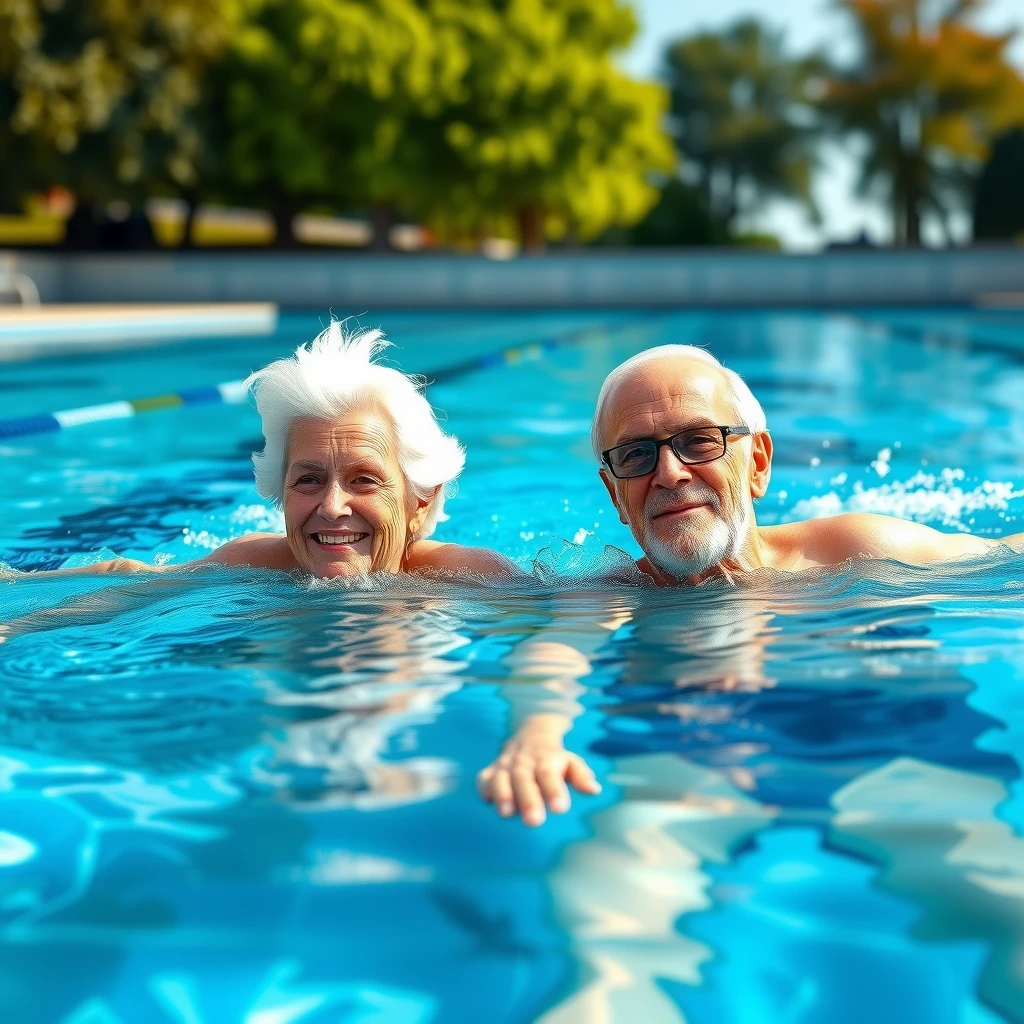
Many communities offer wellness programs centered on aqua therapy. These group classes create a social setting where seniors can exercise together. Programs like those from SilverSneakers or local YMCAs often include aqua aerobics tailored for older adults.
In these programs, instructors guide you through routines that target overall health. You might do water walking, arm circles, or leg lifts. The group aspect adds motivation and reduces feelings of isolation. Participants often form friendships, making exercise something to look forward to.
Some programs use underwater treadmills or resistance jets for advanced training. These tools help with balance and fall prevention, which is crucial as we age. Research supports that such programs lower the risk of falls by improving strength and coordination.
If you're dealing with osteoporosis, aqua therapy shines here too. The low-impact nature protects bones while building density through resistance. Warm water also eases inflammation, making it easier to stay active.
Overall, these wellness programs go beyond physical fitness. They promote a positive outlook and independence, helping seniors enjoy daily life more fully.
How to Get Started with Aqua Therapy
Getting into aqua therapy is straightforward. Start by checking your local pool or fitness center for classes. Many offer beginner sessions specifically for seniors. If you prefer privacy, you can try exercises at home if you have access to a pool.
Before diving in, talk to your doctor, especially if you have health conditions. They can give the green light and suggest modifications.
Wear comfortable swimwear and water shoes for grip. Bring a towel and maybe a flotation device if you're new to water. Start slow—aim for 20-30 minutes a few times a week. As you build confidence, increase the time or intensity.
Swimming Tips for Older Adults
If swimming appeals to you, here are some tips to make it safe and enjoyable. Focus on proper form to avoid strain. Keep your head in line with your body and breathe steadily.
Use a kickboard for support if you're building skills. Practice in shallow water first. Lessons from organizations like U.S. Masters Swimming can refine your technique.
Incorporate variety: Mix freestyle swims with backstrokes or treading water. This works different muscles and keeps things interesting.
Listen to your body. If something hurts, stop and adjust. Stay hydrated, even in water, and warm up with light movements before starting.
Low-Impact Cardio Workouts for Seniors
Aqua therapy excels as low-impact cardio workouts for seniors. Water walking is a simple start: Walk in waist-deep water, swinging your arms for full-body engagement. Add speed or depth for more challenge.
Try arm exercises with hand webs: Push water down and up to build upper body strength. For legs, tie a noodle around your foot and extend it while holding the pool edge.
These workouts improve endurance without jarring your body. They're ideal for maintaining heart health and burning calories gently.
Safety Considerations
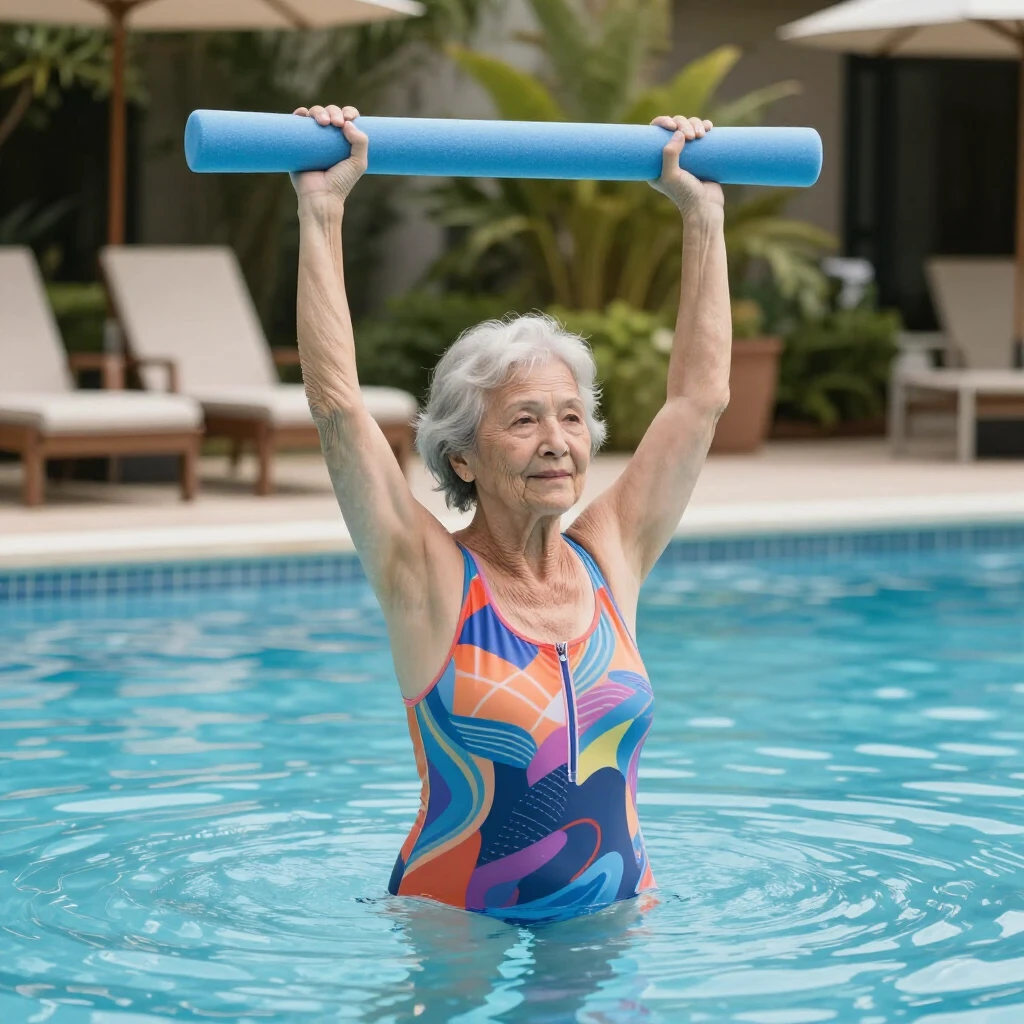
Safety comes first in aqua therapy. Always enter the pool slowly to avoid slips. Use handrails if available.
Keep your posture straight and core engaged to prevent leaning. In deep water, use flotation aids like vests or noodles.
Watch for signs of fatigue. Exit the pool if you feel dizzy or short of breath. Supervised classes add an extra layer of security with trained instructors.
If you have open wounds or infections, wait until they heal before swimming. Follow pool rules and hygiene practices.
Personal Insights from Experience
I've seen many seniors transform through aqua therapy. One friend in her 70s struggled with knee pain from arthritis. After joining a weekly class, she moved more easily and even started walking longer distances on land. She shared how the water made her feel weightless and capable again.
Another story comes from a group program where participants encouraged each other. A man recovering from a hip replacement regained confidence in the pool before tackling land exercises. These real experiences show how aqua therapy not only heals the body but also builds community and self-esteem.
As an expert in senior health, I recommend trying it. The gentle nature suits most people, and the results speak for themselves—stronger bodies, happier minds.
Summary
Aqua therapy provides seniors with a safe, enjoyable path to better health. From improved strength and flexibility to reduced stress, the benefits are clear. Start small, stay consistent, and consult professionals for the best results. Embrace the water and feel the difference in your daily life.

Discuss Here