Overview
Classical conditioning is a learning process where we connect two things to create a new response. Ivan Pavlov discovered it through his dog experiments. This idea explains how we develop habits, fears, and even preferences in daily life, including in therapies.
What Is Classical Conditioning?
You might wonder how we pick up certain reactions without thinking. Classical conditioning happens when a neutral thing gets linked to something that naturally causes a response. Over time, the neutral thing triggers the same response on its own.
For a deeper dive, check out The Science of Classical Conditioning - https://www.simplypsychology.org/classical-conditioning.html. This resource breaks it down clearly.
Think about it like this: Your phone dings, and you feel excited because it often means a message from a friend. That ding started as nothing special but became exciting through association.
Pavlov's Famous Experiment
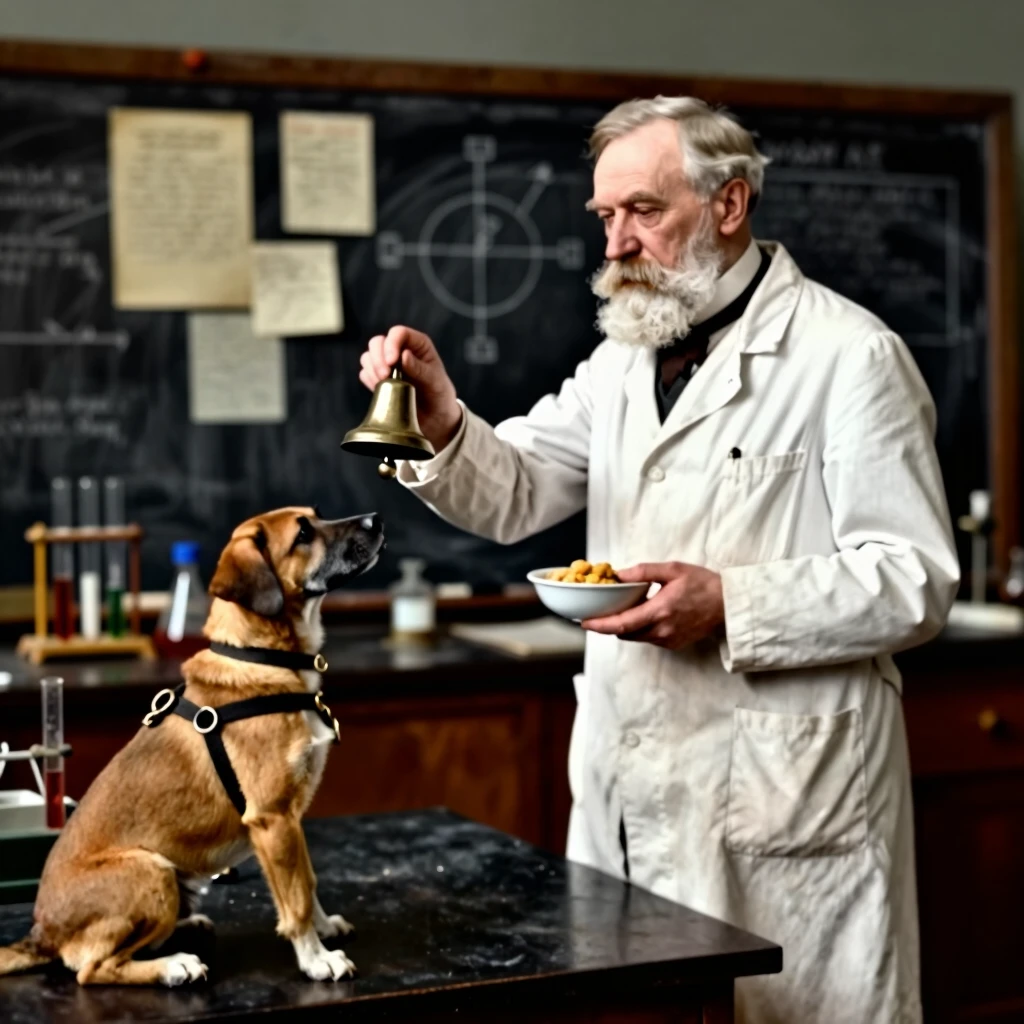
Ivan Pavlov, a Russian scientist, stumbled upon this while studying digestion in dogs. He noticed dogs salivated not just at food, but at the sound of a bell he rang before feeding them.
At first, the bell meant nothing. Food made them drool naturally. After ringing the bell right before giving food many times, the dogs drooled at the bell alone.
This showed how learning through association works. Pavlov's work laid the foundation for understanding behaviors we don't control.
Key Principles of Classical Conditioning
Several ideas make up this process. Here's a table to sum them up:
| Principle | Description |
|---|---|
| Neutral Stimulus (NS) | Something that starts with no effect, like a bell. |
| Unconditioned Stimulus (US) | Triggers a natural response, like food. |
| Unconditioned Response (UR) | The automatic reaction, like salivating. |
| Conditioned Stimulus (CS) | The NS after linking, now causing the response. |
| Conditioned Response (CR) | The learned reaction to the CS. |
Other key parts include acquisition (building the link), extinction (losing the link without reinforcement), and spontaneous recovery (the response coming back after a break).
The Stages Involved
Classical conditioning unfolds in steps:
-
Before Conditioning: A neutral stimulus does nothing, while an unconditioned stimulus causes a natural response.
-
During Conditioning: Pair the neutral with the unconditioned repeatedly.
-
After Conditioning: The neutral becomes conditioned and triggers the response alone.
These stages show how simple pairings change our reactions over time.
Real-Life Examples
This isn't just lab stuff. It happens everywhere.
-
Taste Aversion: Eat something and get sick? You might avoid it forever. That's quick learning from one bad experience.
-
Phobias: A scary event links to something harmless, like fearing dogs after a bite.
-
Advertising: Brands pair products with happy feelings to make you like them.
I once got food poisoning from shrimp. Now, the smell alone turns my stomach. That's classical conditioning in action.

The Little Albert Experiment
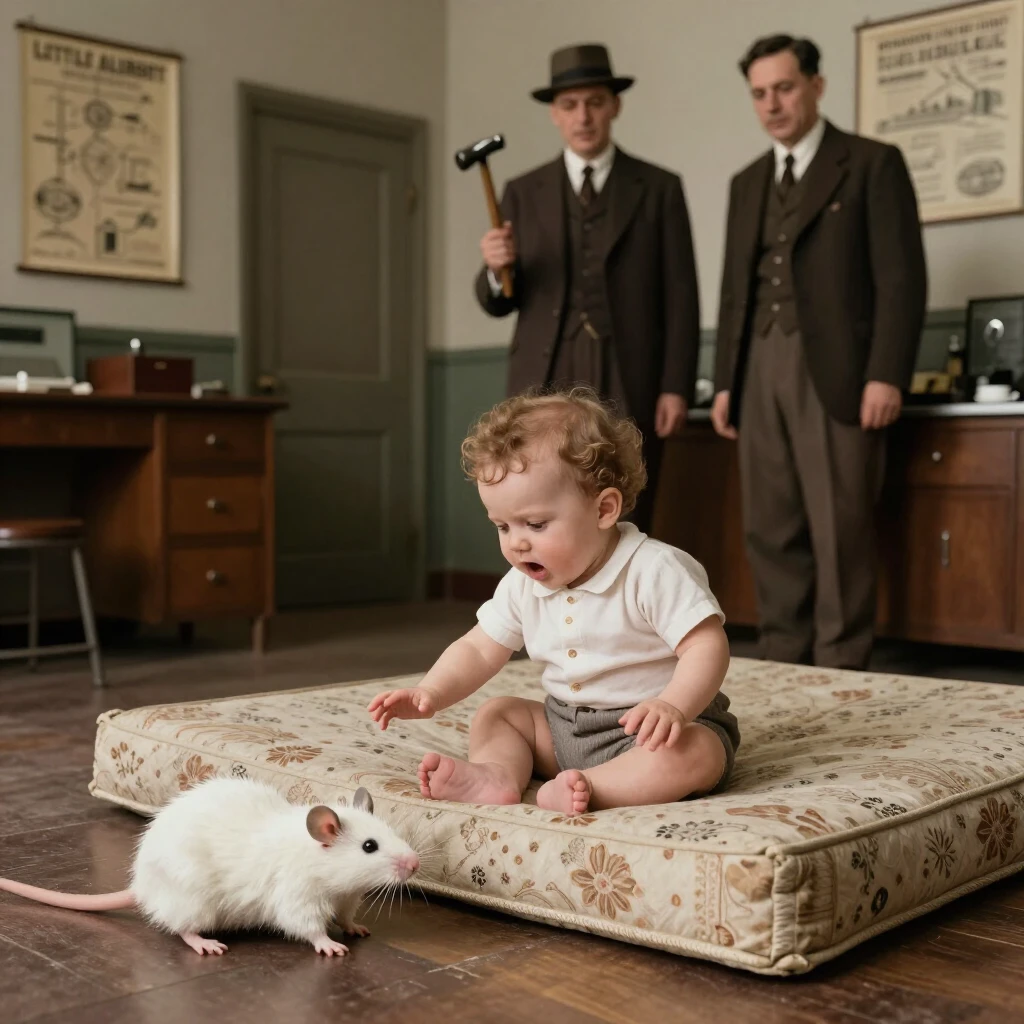
John Watson took Pavlov's ideas to humans. In 1920, he conditioned a baby named Albert to fear a white rat.
Albert liked the rat at first. Then, Watson made a loud noise (which scared Albert) whenever the rat appeared. Soon, Albert cried at the rat alone.
This showed how fears develop but raised ethical questions. We don't do such experiments today.
Applications in Therapy
Classical conditioning powers many treatments.
In behavioral therapy, it helps change unwanted responses. For example, systematic desensitization pairs scary things with relaxation to ease phobias.
Aversion therapy uses it to stop bad habits. It links the habit to something unpleasant. Effective techniques in aversion therapy include chemical methods (like drugs causing nausea with alcohol), electrical shocks, or imagining bad outcomes.
These work by creating a strong dislike. Studies show they help with addictions, but combine them with other support for best results.
Even in family therapy, understanding conditioning matters. Family members might condition each other's reactions, like a parent's tone triggering anxiety in a child. Therapists use this to improve interactions and break negative cycles.
Strengths and Limitations
This theory shines in explaining automatic behaviors. It backs therapies that work in real life and has solid science from experiments.
But it overlooks biology. Not all links form easily; evolution plays a role, like quick food-illness connections for survival.
It also ignores thoughts and choices. Modern psychology mixes it with cognitive ideas for fuller pictures.
From my view, I've seen it help friends overcome fears through therapy. Yet, forcing changes ethically concerns me – consent matters.
Personal Insights and Actionable Tips
I've used this knowledge myself. To build good habits, pair something neutral with a reward. Like, play favorite music while exercising to make it fun.
For breaking bad ones, notice triggers. If stress leads to snacking, replace it with a walk.
In families, watch how words condition kids. Praise effort to link hard work with positivity.
These small steps use conditioning for better living.
Wrapping It Up
Classical conditioning reveals how associations shape us. From Pavlov's dogs to modern therapies, it offers tools for change. Understand it, and you gain power over automatic responses.

Discuss Here