Overview
Food Protein-Induced Enterocolitis Syndrome, or FPIES, is a rare food allergy that hits the gut hard. It mainly affects babies and young kids, causing delayed reactions like vomiting and diarrhea. This guide walks parents through understanding, spotting, and handling FPIES to keep children safe and healthy.
What is FPIES?
FPIES stands for Food Protein-Induced Enterocolitis Syndrome. Unlike typical food allergies that cause hives or swelling right away, FPIES triggers a delayed gut reaction. It happens when the body's immune system overreacts to proteins in certain foods.
This condition often starts in infancy. Many kids outgrow it by age 3 or 4, but some carry it longer. Parents often feel overwhelmed at first, but knowledge makes a big difference.
Think of FPIES as a sneaky allergy. It doesn't show up on standard allergy tests because it's not IgE-mediated. That means no quick skin prick or blood tests work reliably. Instead, doctors rely on your child's history and symptoms to diagnose it.
Acute FPIES: The Sudden Storm
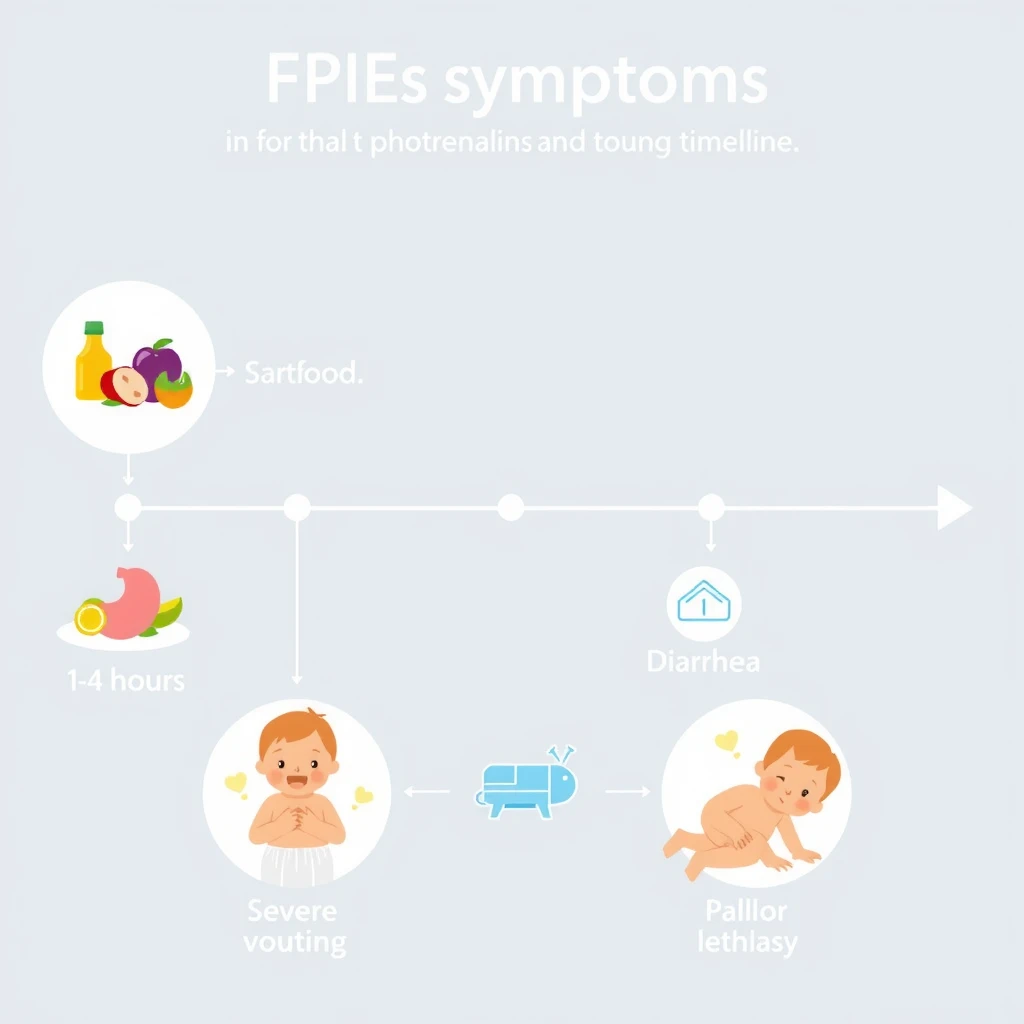
Acute FPIES is the most common form. It strikes 1 to 4 hours after eating a trigger food. Your child might seem fine at first, then suddenly start vomiting forcefully. Diarrhea often follows, sometimes with blood.
In severe cases, kids become pale, floppy, and lethargic. Their blood pressure can drop, leading to shock. This is scary, but quick medical help turns things around.
One parent shared, 'Our son had his first reaction to rice cereal at 6 months. He vomited for hours and went limp. We rushed to the ER, where they hydrated him. Now we avoid triggers like the plague.' Stories like this highlight why vigilance matters.
Recognizing Symptoms
Spotting FPIES early prevents bigger problems. Key signs include:
- Repetitive vomiting that starts delayed
- Watery diarrhea, possibly bloody
- Pale skin and low energy
- Dehydration signs like dry mouth or fewer wet diapers
These mimic infections or food poisoning, so track what your child ate. If symptoms repeat with the same food, suspect FPIES.
Chronic FPIES is rarer. It happens with ongoing exposure, like through formula. Kids might have ongoing diarrhea, poor growth, and vomiting. Stopping the trigger brings relief.
Common Triggers
Triggers vary by child, but some foods pop up often. Here's a list:
| Food | Frequency |
|---|---|
| Cow's milk | High |
| Soy | High |
| Rice | Medium |
| Oats | Medium |
| Eggs | Medium |
| Fish | Low |
| Poultry | Low |
Avoid these until a doctor says otherwise. Start solids slowly, one at a time.
Diagnosis: Piecing It Together
Diagnosing FPIES takes teamwork. Your pediatrician or allergist will ask about symptoms and diet. They might rule out other issues with tests.
An oral food challenge in a hospital confirms it. That's when your child eats the suspect food under watch. It's safe but nerve-wracking.
For more details, check the American Academy of Allergy, Asthma & Immunology guidelines here.
Management and Treatment
No cure exists, but avoidance works wonders. Create an emergency plan: Know reaction signs and have hydration solutions ready. In bad cases, IV fluids help.
Work with a dietitian for balanced nutrition. Breastfeeding moms might adjust diets if needed.
Reintroduce foods carefully after age 1, under medical supervision. Many kids tolerate triggers later.

Daily Life with FPIES
Living with FPIES means planning ahead. Label reading becomes second nature. Travel with safe snacks. Educate caregivers about triggers.
One mom recalled, 'We turned mealtime into adventures. Exploring new safe foods kept things fun, not scary.'
Support groups like the International FPIES Association offer tips and community. Visit their site here.
Cooking for Kids with FPIES: Easy and Safe Recipes
Finding FPIES-friendly recipes for children keeps nutrition fun. Focus on single-ingredient foods or simple combos. Here are three easy ones:
- Banana Oat-Free Pancakes
- Mash 1 ripe banana.
- Mix with 1 egg (if tolerated) or substitute.
- Cook on a non-stick pan.
- Serve plain or with safe fruits.
This builds tolerance gradually.
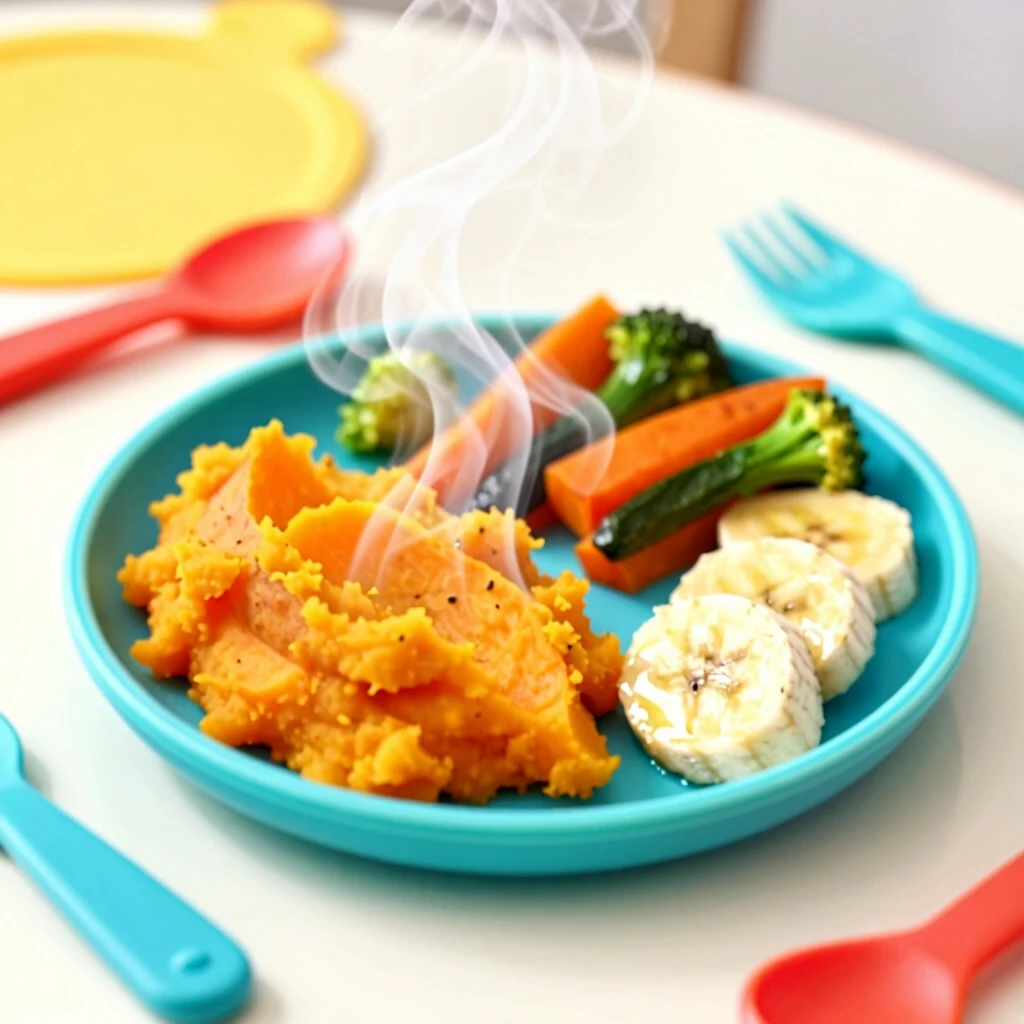
- Sweet Potato Mash
- Boil 2 sweet potatoes until soft.
- Mash with a bit of water or breast milk.
- Add cinnamon if okay.
Nutritious and gentle on tummies.
- Quinoa Veggie Bowl
- Cook 1/2 cup quinoa.
- Steam carrots and zucchini.
- Mix together.
These FPIES-friendly recipes for children promote healthy living with food allergies.
Healthy Living with Food Allergies
Beyond avoidance, focus on wellness. Encourage outdoor play for vitamin D. Track growth with regular check-ups.
Incorporate probiotics if advised. Stay positive—many families thrive.
A dad shared, 'We focused on what our daughter could eat. It strengthened our bond.'
Personal Insights from Parents
Hearing from others helps. 'Diagnosis took months, but once we knew, life improved,' said one parent.
Another added, 'Trials at home built confidence. We celebrated small wins.'
These stories show resilience pays off.
Summary
Understanding FPIES empowers parents to protect their kids. From spotting acute FPIES to whipping up safe recipes, knowledge is key. Most children outgrow it, leading to brighter days ahead.

Discuss Here