Overview
Food Protein-Induced Enterocolitis Syndrome, or FPIES, is a rare type of food allergy that hits the gut hard. It often shows up in babies and young kids when they face allergen exposure and FPIES triggers like common foods. This guide dives deep into what it means for families.
What is FPIES?
FPIES stands for Food Protein-Induced Enterocolitis Syndrome. Unlike typical allergies that cause hives or breathing issues right away, FPIES reactions happen hours after eating. Your child's body reacts to proteins in certain foods, leading to gut problems.
Doctors call it a non-IgE mediated allergy. That means it doesn't involve the usual allergy antibodies. Instead, it triggers inflammation in the intestines. Kids with FPIES might seem fine at first, but then symptoms hit hard.
I remember when my little one first tried rice cereal. We thought it was a safe start, but hours later, the vomiting started. It was scary, and it turned out to be FPIES. Stories like this are common among parents dealing with this condition.
Common Allergen Exposure and FPIES Triggers
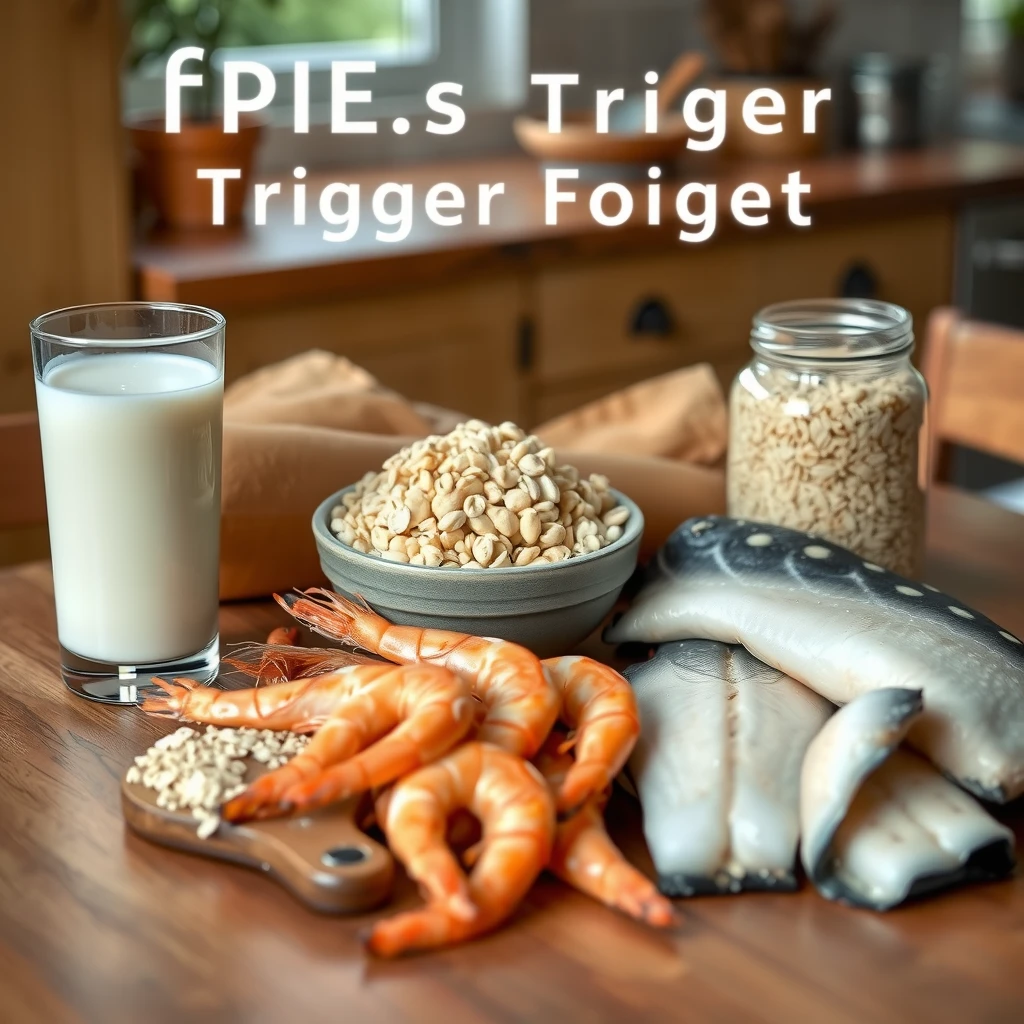
Allergen exposure and FPIES triggers vary, but some foods pop up more often. In babies, cow's milk and soy top the list. Grains like rice and oats also cause issues for many.
As kids grow, triggers can change. Older children and adults might react to seafood, eggs, or peanuts. Even fruits and veggies can sometimes be culprits.
Here's a list of frequent triggers: - Cow's milk - Soy products - Rice - Oats - Seafood (like fish and shellfish) - Eggs - Barley - Poultry in rare cases
Keep in mind, any food could potentially trigger FPIES. It's key to watch your child's reactions closely when introducing new foods.
Recognizing Acute FPIES Symptoms
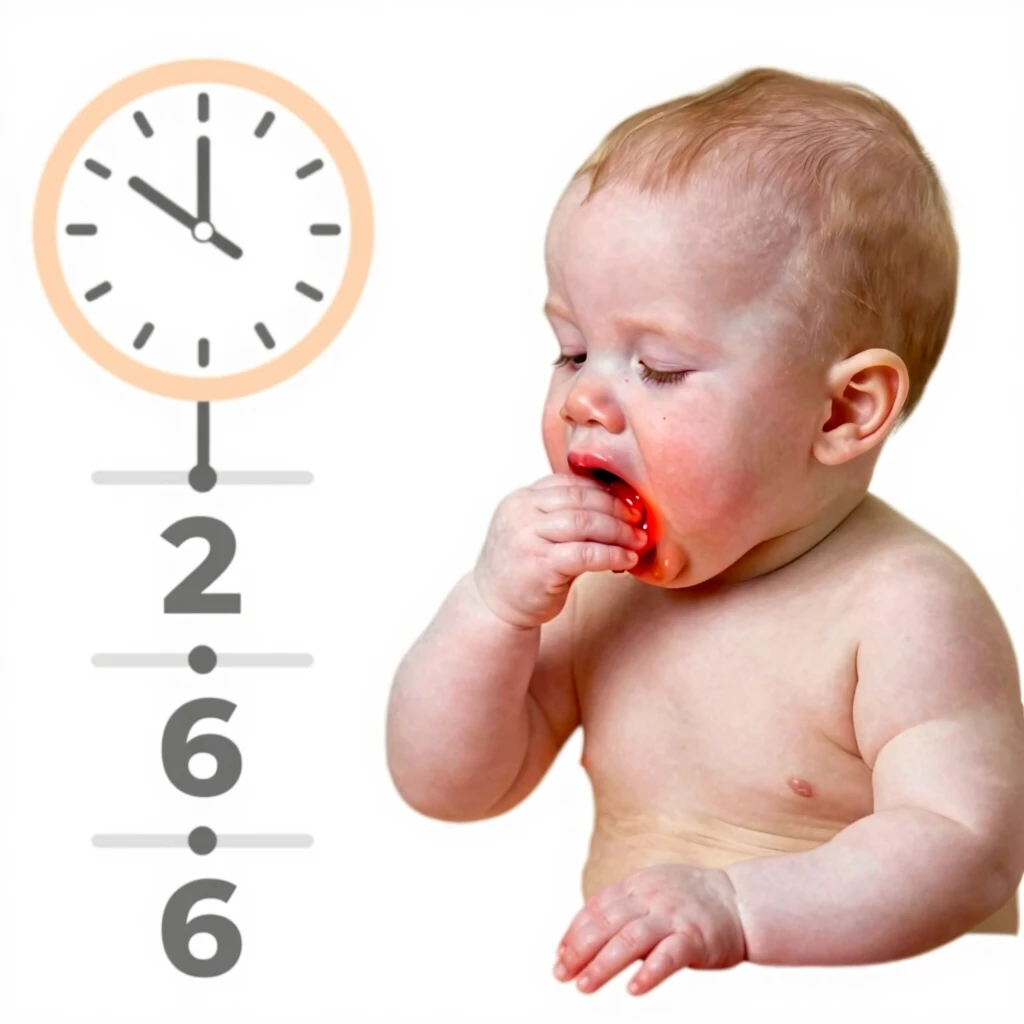
Acute FPIES is the most common form. Symptoms kick in 1 to 4 hours after eating the trigger food. Vomiting is the big one – repetitive and forceful. Diarrhea often follows, sometimes with blood.
Kids can get very sleepy or floppy. Their skin might turn pale or blue. In severe cases, blood pressure drops, leading to shock. This needs quick medical help.
From my experience, the first reaction caught us off guard. Our baby vomited everything up and became listless. We rushed to the ER, where they explained it was acute FPIES. Learning the signs early can save a lot of worry.
Chronic FPIES is rarer. It happens with ongoing exposure, like in formula. Symptoms include ongoing diarrhea, poor weight gain, and vomiting now and then.
Symptoms Table
| Symptom | Timing | Severity |
|---|---|---|
| Vomiting | 1-4 hours after eating | Severe, repetitive |
| Diarrhea | 5-10 hours after | May include blood |
| Lethargy | During reaction | Child becomes very sleepy |
| Low blood pressure | In severe cases | Can lead to shock |
| Paleness | During reaction | Skin turns pale or gray |
How Allergen Exposure Leads to FPIES
Allergen exposure and FPIES triggers work by confusing the immune system. The body sees food proteins as threats and launches an attack in the gut. This causes swelling and fluid loss, leading to those tough symptoms.
Babies are at higher risk because their immune systems are still learning. If there's a family history of allergies, the chance goes up. Some kids with eczema or other allergies might develop FPIES too.
One mom I know shared how her child's FPIES started with formula. Switching to hypoallergenic helped, but solid foods brought new challenges. It's a journey of trial and error.
To learn more, check out the American Academy of Allergy, Asthma & Immunology's page on FPIES: https://acaai.org/allergies/allergic-conditions/food/food-protein-induced-enterocolitis-syndrome-fpies/.
Diagnosing FPIES
Doctors diagnose FPIES based on symptoms and history. There's no simple blood test like for other allergies. Often, they use an oral food challenge in a safe setting.
During the challenge, your child eats the suspect food under medical watch. If symptoms appear, it confirms FPIES. Skin tests or blood work might rule out other issues.
In our case, the diagnosis came after a few scary episodes. Getting an official label helped us plan better. Work with a pediatric allergist for the best approach.
Managing FPIES Triggers
The main way to handle FPIES is avoidance. Once you know the triggers, keep them out of your child's diet. Read labels carefully and ask about ingredients when eating out.
For reactions, quick action matters. Ondansetron can help with vomiting. IV fluids fight dehydration in bad cases. Always have an action plan from your doctor.
As kids outgrow FPIES – many do by age 3 to 5 – reintroduce foods slowly under supervision. It's a relief when they can eat more normally.
Personal tip: Keep a food diary. Track what your child eats and any reactions. It helped us spot patterns early.

Living with FPIES: Daily Tips
Life with FPIES means planning ahead. When introducing new foods, do it one at a time. Start with small amounts and watch for hours.
Safe foods often include fruits like apples or pears, veggies like carrots, and meats. But test them first.
Support groups online can connect you with other parents. Sharing stories reduces the isolation. One family told me how they turned mealtime into a game to keep things positive.
For more on management, visit Cleveland Clinic's resource: https://my.clevelandclinic.org/health/diseases/fpies.
Emotional Side of FPIES
Dealing with FPIES can stress families out. The fear of reactions is real. I felt guilty at first, wondering if I caused it. But it's not anyone's fault.
Talk to counselors if needed. Celebrate small wins, like a new safe food. Over time, it gets easier as your child grows.
Outgrowing FPIES
Good news: Most kids outgrow FPIES by school age. Regular check-ups help track progress. Retest triggers every year or so.
In rare cases, it lasts into adulthood. But for most, it's temporary. Hang in there – better days come.
Summary
FPIES brings challenges through allergen exposure and FPIES triggers, but knowledge empowers you. Spot acute FPIES early, avoid triggers, and work with doctors. Many families navigate this and come out stronger.

Discuss Here