Overview
Food Protein-Induced Enterocolitis Syndrome (FPIES) is a rare but serious non-IgE-mediated food allergy that primarily affects babies and young children. It causes severe gastrointestinal reactions hours after eating trigger foods, leading to vomiting, diarrhea, and in some cases, shock. While frightening, most children outgrow it by school age with proper management.
If you're a parent dealing with unexplained vomiting episodes in your infant after feedings or new foods, FPIES might be the culprit. This condition differs from classic allergies—no hives or wheezing—but it can be just as disruptive to family life.

What Is FPIES?
FPIES stands for Food Protein-Induced Enterocolitis Syndrome. It's a type of food allergy where the immune system reacts to certain proteins, causing inflammation in the small and large intestines. Unlike immediate allergies, symptoms appear 1-4 hours after eating the trigger food.
There are two main types: acute and chronic. Acute FPIES happens with occasional exposure, bringing on sudden, intense symptoms. Chronic FPIES occurs with regular intake, leading to ongoing issues like poor weight gain.
According to experts at the American Academy of Allergy, Asthma & Immunology (AAAAI), FPIES is gaining more recognition thanks to updated guidelines. For reliable information, check their resource on Food Protein-Induced Enterocolitis Syndrome (FPIES).
Common Triggers
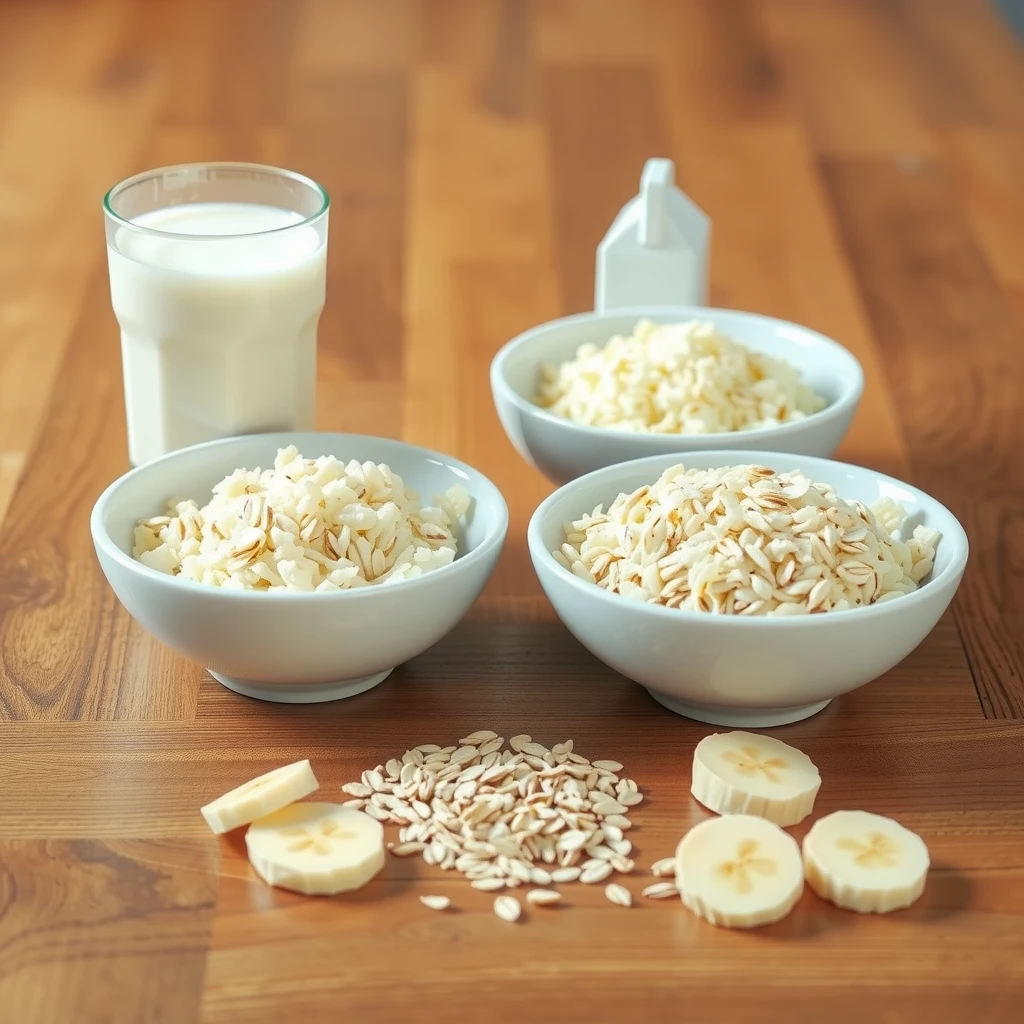
The most frequent culprits in infants are cow's milk and soy. As solids are introduced, grains like rice and oats often cause reactions. Other foods include eggs, fish, peanuts, and vegetables such as sweet potato or avocado.
Triggers vary by region—in the US, rice is surprisingly common despite being seen as hypoallergenic. Any food can potentially trigger FPIES, so introduction of new foods requires caution.
Symptoms of Acute FPIES
Parents often describe it vividly: your child seems fine after eating, then suddenly starts repetitive, projectile vomiting. They become pale, limp, and extremely lethargic. Diarrhea may follow hours later.
In severe cases, about 15-20% lead to dehydration and low blood pressure, requiring emergency care. Many families rush to the ER thinking it's a stomach bug or sepsis.
Chronic FPIES Symptoms
Chronic FPIES is less common and trickier to spot. It happens in very young infants fed trigger foods daily, like cow's milk formula. Symptoms build gradually: intermittent vomiting, watery diarrhea (sometimes bloody), and failure to thrive.
Chronic fatigue and its impact on daily life can be profound—the baby seems constantly tired, irritable, and doesn't gain weight well. These Chronic FPIES Symptoms drain energy from both child and parents, turning feedings into a source of stress.
One parent shared: 'Our little one was always fussy and sleepy, barely growing. Removing milk changed everything overnight.' Chronic FPIES often resolves quickly once the trigger is eliminated.
Key Insight: Chronic Fatigue in FPIES isn't just tiredness—it's a sign of ongoing inflammation affecting nutrient absorption and overall well-being.
Diagnosis Challenges
There's no simple blood or skin test for FPIES. Diagnosis relies on history and ruling out other conditions. Doctors may use oral food challenges under supervision to confirm triggers.
The 2017 International Consensus Guidelines, published by experts including those from the Icahn School of Medicine at Mount Sinai, provide clear criteria for acute and chronic forms.
Misdiagnosis is common—many children endure multiple ER visits before getting answers. A detailed food diary helps tremendously.

Management and Treatment
The cornerstone is strict avoidance of triggers. For breastfed babies, moms may need to eliminate foods from their diet.
In emergencies, IV fluids rehydrate quickly—ondansetron can help stop vomiting in some cases. No epinephrine needed, unlike classic allergies.
Actionable Tips for Families: - Introduce one new food at a time, in small amounts at home. - Keep a symptom journal. - Prepare an emergency letter from your doctor explaining FPIES for ER visits. - Work with a dietitian for balanced nutrition.
Research from the National Institutes of Health (NIH) highlights that most children tolerate other foods well, so diets aren't overly restrictive.
Prognosis and Outgrowing FPIES
Good news: Most kids outgrow FPIES by age 3-5. Regular follow-ups with challenges monitor tolerance.
Some with atypical FPIES (positive IgE tests) may develop immediate allergies later, needing closer watch. Adult-onset is rare but reported, often to shellfish.
Families find hope in support groups and knowing it's temporary. One mom reflected: 'The early months were exhausting, but seeing my child thrive now makes it worth it.'
Living with FPIES: Personal Perspectives
Dealing with Chronic FPIES means navigating constant worry about reactions. Feedings lose joy; playtime suffers from low energy. But with diagnosis, life improves dramatically.
Parents emphasize community—sharing stories reduces isolation. Focus on safe foods, celebrate milestones, and remember: this phase passes.
For in-depth reading on diagnosis and management, see the 2017 International Consensus Guidelines summary from allergy experts.
Final Thoughts
FPIES challenges families, but knowledge empowers you. Early recognition prevents severe episodes, and most children lead normal lives post-resolution. Consult specialists, stay vigilant, and hold onto hope.

Discuss Here