Overview
Family activities play a key role in building emotional strength and happiness. They help reduce stress, boost moods, and create lasting bonds. This article dives into why these moments matter and how practices like Tai Chi can enhance family wellness. (38 words)
Why Family Time Matters
In our busy lives, we often rush from one task to another. But pausing to spend time with family changes everything. The Importance of Family Activities for Emotional Well-being cannot be overstated. When families engage in shared experiences, they build a support system that buffers against life's challenges.
Think about it: a simple game night or a walk in the park can turn a tough day around. Studies show that spending time with loved ones reduces stress and anxiety. It even leads to healthier habits and a longer life.[0] These activities create a sense of belonging, which is vital for mental health.
Families who prioritize time together report higher levels of happiness. They feel more connected and supported. This connection acts like an emotional safety net, helping everyone cope better with ups and downs.
Positive relationships within the family reduce feelings of loneliness and isolation.[8] In today's world, where screens often dominate, carving out real face-to-face time becomes even more crucial. It reminds us that we are not alone.

The Emotional Benefits in Detail
Let's break down how family activities boost emotional well-being. First, they lower stress levels. When you laugh together or share stories, your body releases endorphins. These feel-good chemicals combat anxiety and depression.
Second, these activities foster open communication. During a family hike or cooking session, conversations flow naturally. People share feelings and thoughts they might otherwise keep inside. This builds trust and understanding.
Third, family activities promote resilience. Facing small challenges together, like losing a game or navigating a trail, teaches problem-solving. Kids learn to handle emotions, and adults model healthy coping.
A study highlights that perceived family support directly links to better emotional, social, and psychological well-being.[1] It's not just about fun; it's about creating a foundation for mental strength.
Key Benefits at a Glance
| Benefit | How It Helps Emotional Well-being |
|---|---|
| Reduced Stress | Shared laughter and support lower cortisol levels. |
| Stronger Bonds | Builds trust and a sense of belonging. |
| Improved Mood | Releases endorphins through enjoyable interactions. |
| Better Coping Skills | Teaches resilience through group challenges. |
| Healthier Lifestyle | Encourages positive habits that support mental health. |
Types of Family Activities to Try
You don't need fancy plans to reap the rewards. Start simple. Outdoor adventures like biking or picnics get everyone moving and breathing fresh air. Indoor options, such as baking or movie nights, work well on rainy days.
Consider routines too. Regular family dinners or bedtime stories create stability. These rituals reduce stress and strengthen bonds.[6] They give everyone something to look forward to.
For something unique, try activities that blend physical and mental benefits. This is where Tai Chi comes in as a perfect fit for family wellness.
Introducing Tai Chi: A Gentle Path to Wellness
Tai Chi stands out as an excellent family activity. Originating from ancient China, it combines slow movements, deep breathing, and focus. Anyone can do it, regardless of age or fitness level.[16]
The Benefits of Tai Chi for Stress Relief are well-documented. It calms the mind and relaxes the body. Practitioners often feel less anxious and more balanced after sessions.[29] Imagine your family flowing through gentle poses together – it's meditative and fun.
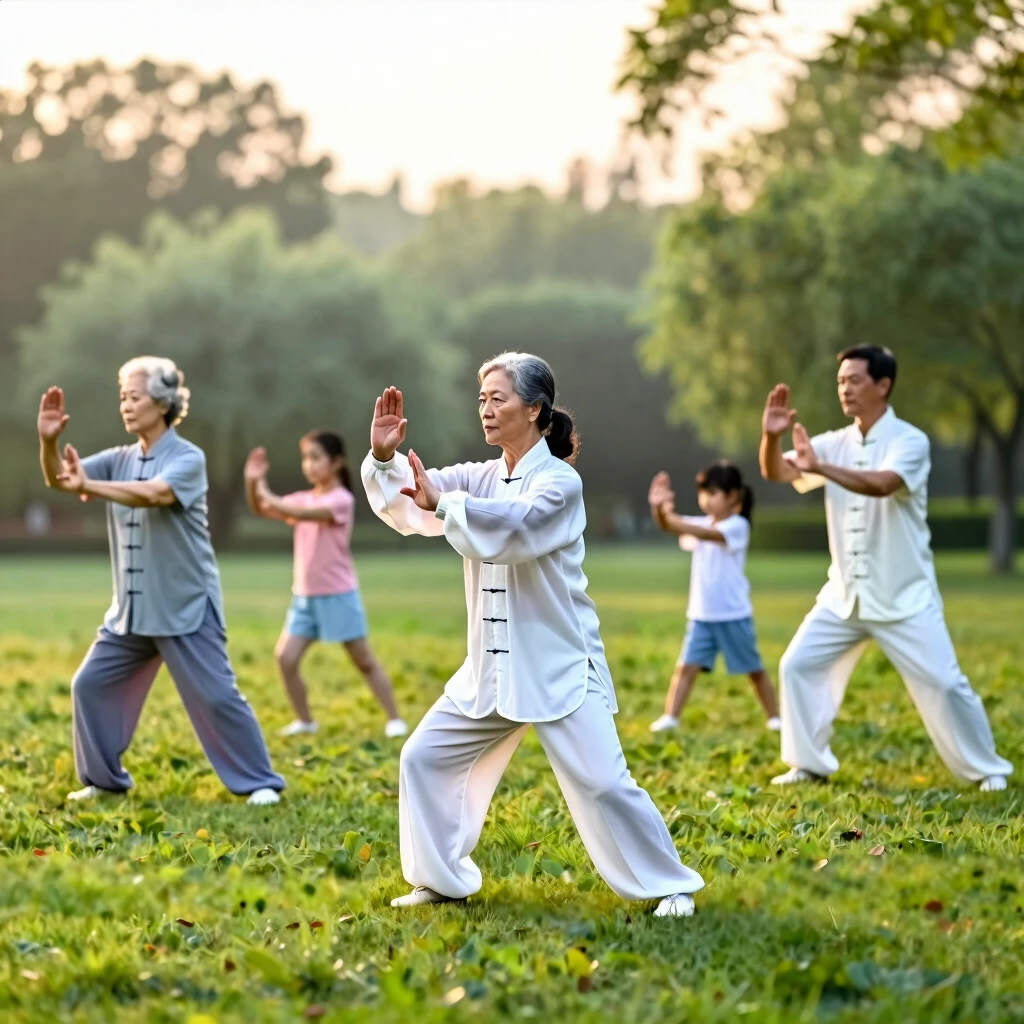
Tai Chi for Family Physical and Emotional Well-being
tai chi for family physical and emotional well-being offers dual advantages. Physically, it improves balance, flexibility, and posture.[11] Emotionally, the shared practice builds unity. Families report feeling more connected after group sessions.
Research shows Tai Chi reduces depression and boosts mood.[33] For kids, it teaches focus and patience. For adults, it provides a break from daily worries. As a group, it creates shared memories and laughter over wobbly stances.
Many wellness programs now include Tai Chi for families, promoting health and harmony.[18] It's low-impact, so grandparents can join in too.
How to Start Tai Chi as a Family
- Find a beginner class: Look for local community centers or online videos from reputable sources like the Tai Chi for Health Institute.[22]
- Set aside time: Aim for 20-30 minutes, 2-3 times a week.
- Create a space: A backyard or living room works.
- Make it fun: Play soft music or turn it into a game.
- Be patient: Everyone learns at their own pace.
Personal Insights from Real Life
I remember when my family started weekly walks. At first, the kids complained. But soon, those walks became our time to talk. One evening, my daughter opened up about school stress. That conversation strengthened our bond.
Similarly, a friend shared how Tai Chi transformed their family. 'We were all stressed,' she said. 'But practicing together brought calm. Now, it's our ritual.' These stories show how activities turn into lifelines.
In my experience, consistency matters. Small, regular efforts yield big emotional gains. Don't aim for perfection; focus on presence.

Overcoming Common Challenges
Busy schedules often get in the way. Solution: Plan ahead and treat activities like appointments.
Different interests can clash. Mix it up – one week hiking, next Tai Chi.
Tech distractions? Set device-free zones during family time.
If emotions run high, start small. Even 10 minutes counts. Remember, the goal is connection, not complexity.
Strong family bonds improve mental health by providing support and reducing anxiety.[7] Persistence pays off.
Wrapping It Up
The Importance of Family Activities for Emotional Well-being lies in their power to connect and heal. From simple routines to practices like Tai Chi, these moments build resilience and joy. Start today – your family's emotional health will thank you. For more ideas, check the recommended readings below. (Word count: approximately 1520)

Discuss Here