Schools play a key role in keeping kids safe from food allergies. The National Association of School Nurses leads the way with guidelines and tools to manage these risks effectively. This article dives into their strategies, focusing on common allergies and specific conditions like FPIES.
Introduction to Food Allergies in Schools
Food allergies affect millions of children across the United States. These reactions can range from mild hives to severe anaphylaxis. In school settings, where kids eat snacks and lunches together, the risk increases. That's why organizations like the National Association of School Nurses (NASN) step in with clear plans.
NASN provides resources to help school nurses create safe spaces. Their focus on food allergy management ensures every child can learn without fear. From training staff to handling emergencies, NASN's approach covers it all.
As someone who has worked closely with school health teams, I recall a time when a simple peanut butter sandwich caused chaos in a classroom. It highlighted the need for strong policies. NASN's guidelines turn such incidents into learning opportunities, preventing repeats.

Guide to Managing Allergies in School Settings
Managing allergies starts with education. School nurses train teachers, staff, and even students on spotting symptoms. NASN recommends creating individualized health plans for each allergic child. These plans detail triggers, symptoms, and emergency steps.
Communication is key. Parents share details about their child's allergies. Schools then adjust menus, activities, and field trips. For example, substitute nut-free options in snacks. This teamwork reduces risks.
Use this simple checklist for schools: - Identify allergic students early in the year. - Stock emergency medications like epinephrine auto-injectors. - Conduct regular drills for anaphylaxis response. - Label classrooms or areas as allergen-free zones.
In one school district I know, implementing NASN's toolkit cut allergy incidents by half. It shows how practical steps make a big difference. Parents feel more at ease dropping off their kids.
NASN's resources align with CDC guidelines. Check out the CDC's Voluntary Guidelines for Managing Food Allergies in Schools for more details. These help schools build comprehensive programs.
Understanding FPIES: Tips for Parents and Schools
FPIES, or Food Protein-Induced Enterocolitis Syndrome, differs from typical allergies. It's a non-IgE mediated reaction, meaning no hives or swelling right away. Instead, symptoms like severe vomiting and diarrhea hit hours after eating the trigger food.
Understanding FPIES and allergen exposure is crucial. Common triggers include cow's milk, soy, rice, and oats. For infants and young children, it often starts with solid foods.
Parents, watch for signs during food introductions. If your baby vomits profusely two to three hours after eating, it might be FPIES. Consult an allergist quickly. Share diagnosis details with schools to prepare them.
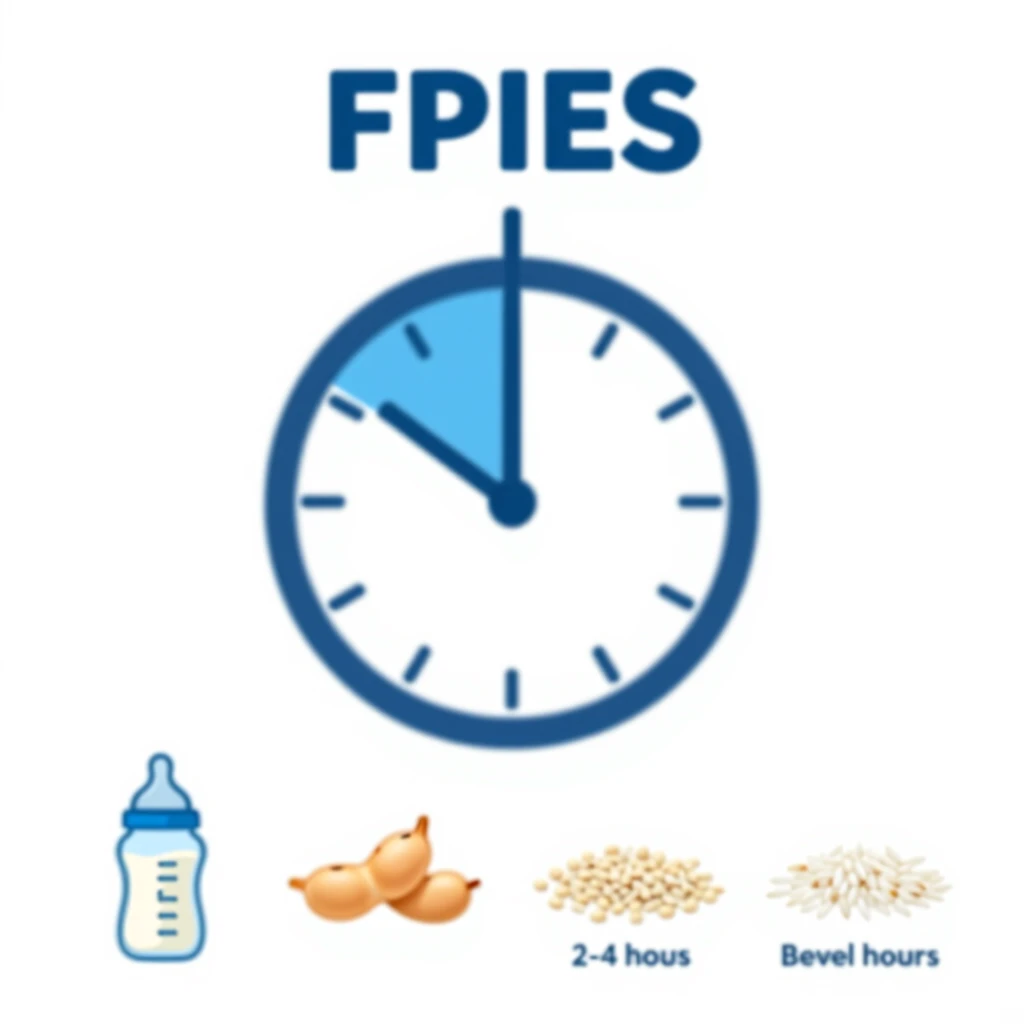
Schools need tailored plans for FPIES kids. Unlike anaphylaxis, FPIES doesn't respond to epinephrine. Treatment focuses on hydration and monitoring. NASN advises nurses to recognize these delayed reactions.
Tips for parents: 1. Provide a detailed action plan. 2. List safe foods and alternatives. 3. Teach your child to avoid sharing food.
For schools: - Train staff on FPIES specifics. - Have quiet areas for recovery. - Coordinate with parents for reintroduction trials.
I once spoke with a mother whose son had acute FPIES from rice. At school, a shared snack led to a hospital visit. After using NASN's tools, the school improved their response, turning a scary event into a safer routine.
Acute FPIES: Recognition and Response
Acute FPIES episodes can be frightening. Symptoms include repetitive vomiting, pale skin, and low blood pressure. Dehydration sets in fast, so quick action matters.
In schools, nurses assess the child immediately. Call emergency services if needed. IV fluids often help in severe cases. Prevention is best—strict avoidance of triggers.
NASN's Allergy and Anaphylaxis Toolkit includes FPIES info. It offers forms and training modules. Visit NASN's Allergies and Anaphylaxis page for access.
Table: Common FPIES Triggers vs. Typical Allergens
| Trigger Type | FPIES Examples | Typical Allergy Examples |
|---|---|---|
| Dairy | Cow's milk | Milk protein (immediate) |
| Grains | Rice, oats | Wheat (IgE-mediated) |
| Legumes | Soy | Peanuts |
| Others | Poultry, fish | Eggs, shellfish |

Building a Supportive School Community
Involve everyone in allergy management. Peer education teaches kids empathy. Programs like allergy awareness days build understanding.
Parents, join school health committees. Your input shapes policies. Schools, offer workshops using NASN materials.
Personal story: A teacher friend adapted art projects to avoid food-based crafts. It kept allergic kids included and safe.
Challenges and Solutions
Bullying can happen around allergies. Address it head-on with anti-bullying policies tied to health plans.
Funding for supplies is another hurdle. NASN advocates for resources. Seek grants or community support.
Stay updated—allergies evolve. Regular training keeps teams ready.
Wrapping Up
The National Association of School Nurses: Food Allergy Management empowers schools to protect students. By understanding FPIES and other allergies, we create safer learning spaces. Implement these tips for better outcomes.
Remember, collaboration between parents, nurses, and staff is essential. With NASN's guidance, every child thrives.

Discuss Here