Overview
Chronic fatigue in teenagers affects many young people, leading to constant tiredness that disrupts school and daily life. This condition, also known as Chronic Fatigue Syndrome (CFS), can stem from various causes and needs proper attention for recovery.
What Is Chronic Fatigue in Teenagers?
Imagine waking up every day feeling like you ran a marathon the night before. That's the reality for many teens dealing with chronic fatigue. This isn't just about being sleepy after a late night; it's a deep, ongoing exhaustion that doesn't go away with rest.
Chronic fatigue in teenagers often shows up during the busy years of high school, when kids juggle classes, sports, and social lives. Doctors call the severe form Myalgic Encephalomyelitis/Chronic Fatigue Syndrome (ME/CFS). It impacts about 1 in 100 teens, but many cases go undiagnosed.
Teens with this condition struggle to keep up with friends or maintain good grades. One teen I spoke with shared, "I used to love playing soccer, but now even walking to class wears me out." Stories like this highlight how chronic fatigue steals the joy from everyday activities.

Common Causes of Chronic Fatigue in Teenagers
What triggers this endless tiredness? Experts point to several factors. Infections often play a role. For example, a bad case of mono or COVID-19 can leave teens wiped out for months.
Stress is another big culprit. Teens face pressure from exams, peer relationships, and family expectations. This constant strain can wear down the body's energy reserves.
Sleep problems add fuel to the fire. Many teens stay up late scrolling on phones, leading to poor sleep quality. Over time, this builds up into chronic fatigue.
Hormonal changes during puberty can also contribute. The body's rapid growth demands more energy, and imbalances might tip the scale toward exhaustion.
Sometimes, underlying health issues are at play. Conditions like anemia or thyroid problems can mimic or cause chronic fatigue. In rare cases, food-related disorders enter the picture. Take Chronic FPIES, for instance. FPIES stands for Food Protein-Induced Enterocolitis Syndrome, a reaction to certain foods that causes gut inflammation.
While FPIES usually affects babies, some teens experience Chronic FPIES symptoms. These include repeated vomiting, diarrhea, and abdominal pain after eating triggers like milk or soy. The ongoing discomfort and nutrient loss from Chronic FPIES can lead to severe fatigue, making it hard for teens to stay active.
If a teen has unexplained tiredness along with gut issues, doctors might check for FPIES. Managing Chronic FPIES often involves avoiding trigger foods, which can ease the fatigue over time.
Potential Causes Table
| Cause | Description | How It Leads to Fatigue |
|---|---|---|
| Infections | Viral illnesses like mono | Body uses energy to fight off germs |
| Stress | School and social pressures | Drains mental and physical reserves |
| Sleep Issues | Late nights and screen time | Prevents restorative rest |
| Hormonal Changes | Puberty fluctuations | Disrupts energy balance |
| Underlying Conditions | Anemia, thyroid, or Chronic FPIES | Impairs nutrient absorption or causes inflammation |
Recognizing Symptoms of Chronic Fatigue
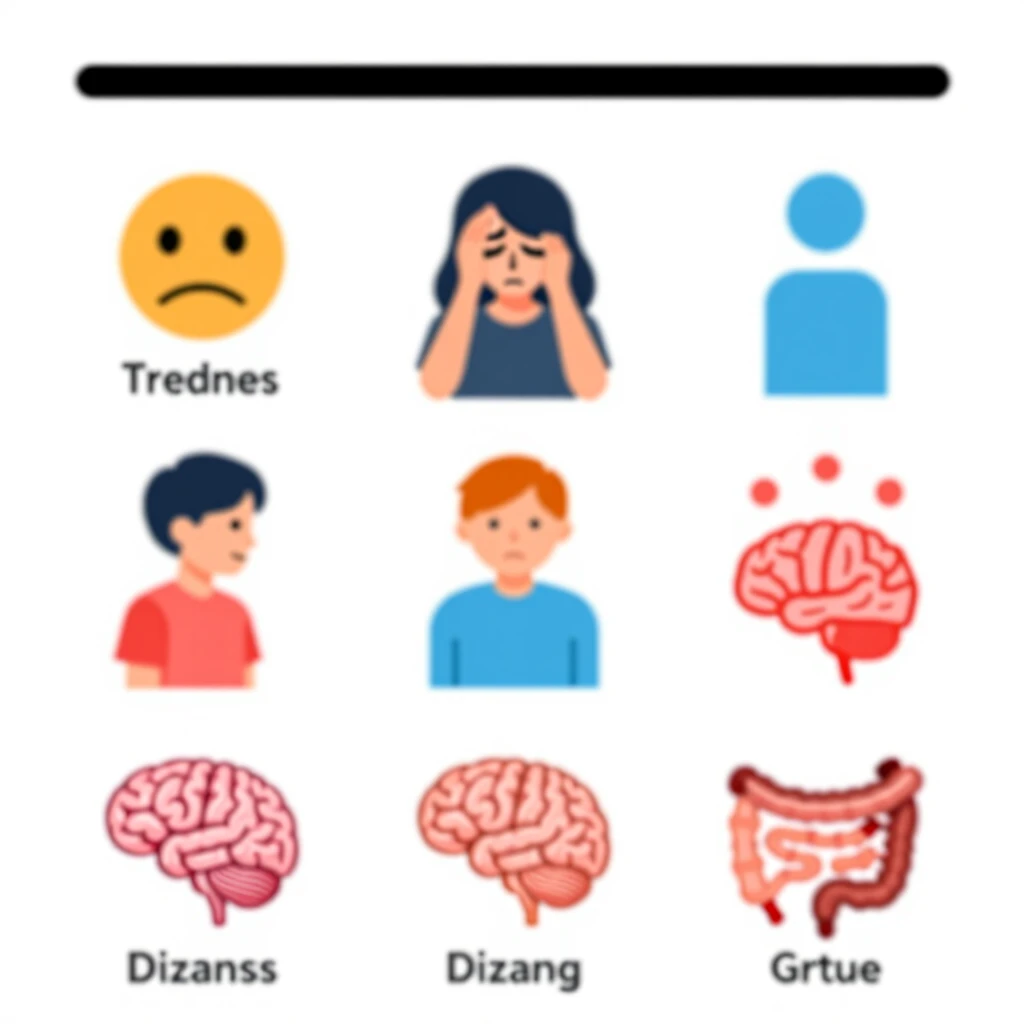
Spotting chronic fatigue early can make a big difference. The main sign is extreme tiredness that lasts for weeks or months. But other symptoms often tag along.
Teens might complain of headaches that won't quit. Dizziness hits when they stand up too fast, a sign of something called orthostatic intolerance.
Muscle aches and joint pain are common too. One young person described it as "feeling like I have the flu all the time, without the fever."
Concentration slips away, leading to "brain fog." Forgetting homework or zoning out in class becomes the norm.
In cases linked to Chronic FPIES, symptoms expand to the gut. Chronic FPIES symptoms include ongoing diarrhea, vomiting, and weight loss. These issues sap energy, worsening the fatigue. If a teen avoids certain foods but still feels wiped out, FPIES could be a factor.
Emotional changes matter as well. Irritability or low mood can signal that fatigue is taking a toll on mental health.
Here's a list of key symptoms to watch for: - Persistent exhaustion - Headaches and dizziness - Muscle and joint pain - Trouble focusing - Sleep disturbances - Gut problems (in cases like Chronic FPIES)
How Doctors Diagnose Chronic Fatigue
Diagnosing chronic fatigue in teenagers starts with a thorough check-up. Doctors rule out other illnesses first. Blood tests look for anemia, infections, or hormone issues.
They ask about daily habits: How much sleep do you get? What's your diet like? This helps spot lifestyle factors.
For suspected CFS, criteria include fatigue lasting six months or more, plus other symptoms like pain or sleep problems. In teens, symptoms might come and go, making it tricky.
If gut symptoms point to FPIES, an allergist might step in. They use food challenges or elimination diets to confirm Chronic FPIES.
Personal stories help here. A teen might say, "I feel worse after eating dairy," leading to tests for conditions like FPIES.
Effective Management Strategies
Good news: Many teens bounce back from chronic fatigue with the right approach. Start with basics like better sleep. Aim for 8-10 hours a night, and ditch screens an hour before bed.
Gentle exercise builds stamina. Walking or yoga works better than intense sports at first. A graded exercise plan, guided by a doctor, prevents crashes.
Nutrition counts. Eat balanced meals to fuel the body. For those with Chronic FPIES, avoiding triggers is key. Working with a dietitian ensures they get needed nutrients without fatigue from malabsorption.
Therapy helps manage stress. Cognitive Behavioral Therapy (CBT) teaches coping skills. One teen shared, "Talking about my worries lifted a weight off me, and my energy improved."
Medications might address specific symptoms, like pain relievers for headaches. But lifestyle changes lead the way.
Consider this step-by-step plan: 1. Track symptoms in a journal. 2. Improve sleep habits. 3. Add light activity daily. 4. Eat well and hydrate. 5. Seek support from family and pros.

Personal Insights from Teens
Hearing from those who've been there brings hope. Sarah, 16, battled chronic fatigue after a virus. "I felt alone, but joining a support group changed that. Sharing tips on pacing myself made a difference."
Another teen, dealing with Chronic FPIES symptoms, said, "Cutting out soy helped my gut, and my energy came back. It's about listening to your body."
These stories show recovery is possible. Patience and small steps lead to big gains.
Summary
Chronic fatigue in teenagers is tough but manageable. From spotting causes like stress or conditions such as Chronic FPIES to using strategies like better sleep and diet, teens can regain their spark. If your teen shows signs, talk to a doctor early for the best outcome.

Discuss Here