Overview
Cardio workouts, also known as aerobic exercise, get your heart pumping and offer powerful benefits for heart health. From lowering blood pressure to boosting energy, these activities help you live stronger and longer—especially as you age.
Your heart is a muscle, and just like any muscle, it gets stronger with regular exercise. Cardio workouts improve how efficiently your heart pumps blood, delivering more oxygen to your body. This leads to better circulation and lower risk of heart disease.
According to the American Heart Association, adults should aim for at least 150 minutes of moderate-intensity cardio each week. That's about 30 minutes a day, five days a week. Even small amounts add up and make a big difference.
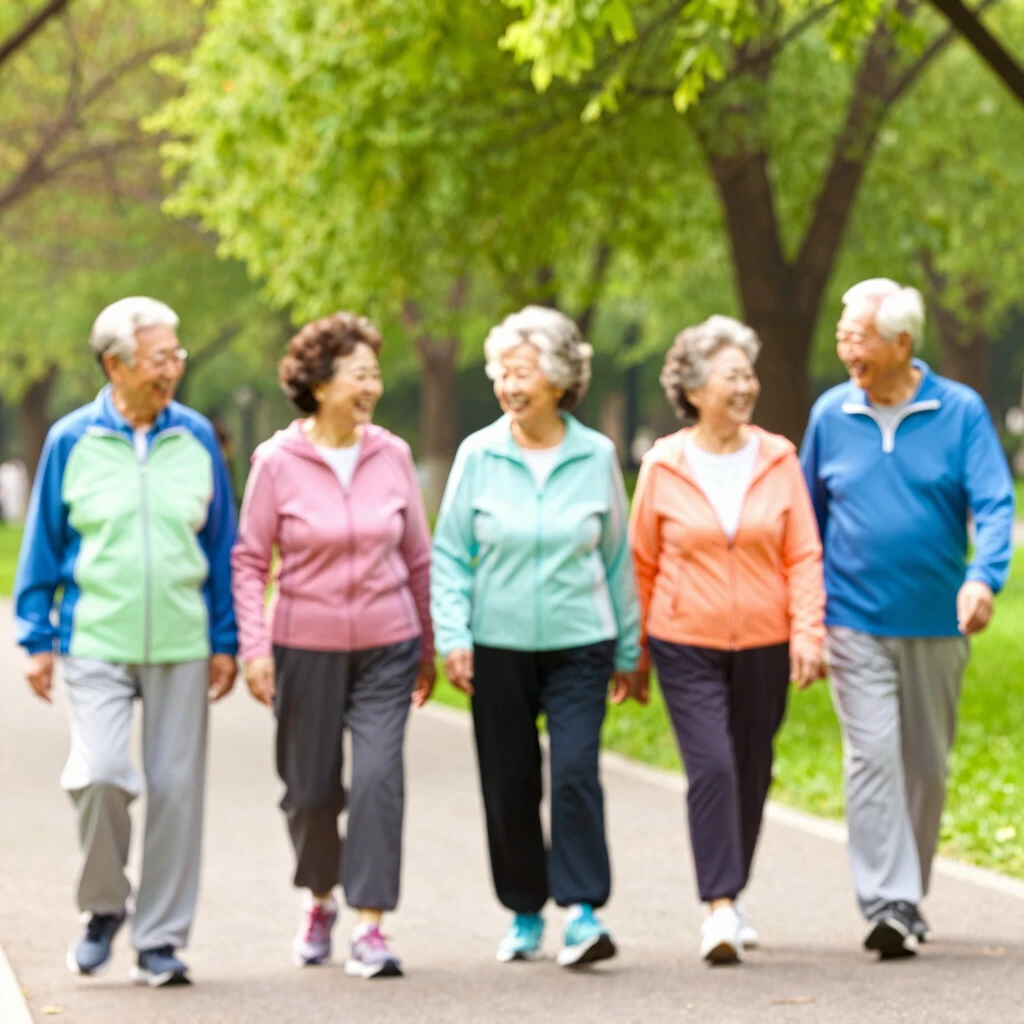
One of the top benefits is reduced risk of cardiovascular disease. Regular cardio helps control blood pressure, lowers bad cholesterol, and raises good cholesterol. It also aids in managing weight, which eases the load on your heart.
Many people notice they feel more energetic and sleep better after starting cardio routines. It can even lift your mood by releasing feel-good chemicals in the brain.
For older adults, staying active is key to maintaining independence. Low-impact cardio workouts for seniors protect joints while still providing these heart benefits. Options like walking or cycling avoid the jarring of running.
Key Benefits of Cardio for Heart Health
Here’s a quick list of proven advantages:
- Strengthens the heart muscle
- Lowers blood pressure and cholesterol
- Reduces risk of heart attack and stroke
- Improves blood flow and oxygen delivery
- Helps manage diabetes and weight
- Boosts mental health and reduces stress
Studies from the Mayo Clinic show that aerobic exercise like cardio can prevent or delay heart disease. It’s never too late to start—people in their 70s and beyond see real improvements.
I’ve seen this firsthand with friends in their later years. One started simple daily walks and noticed his energy soar within weeks. Pairing activity with good habits amplifies the results.
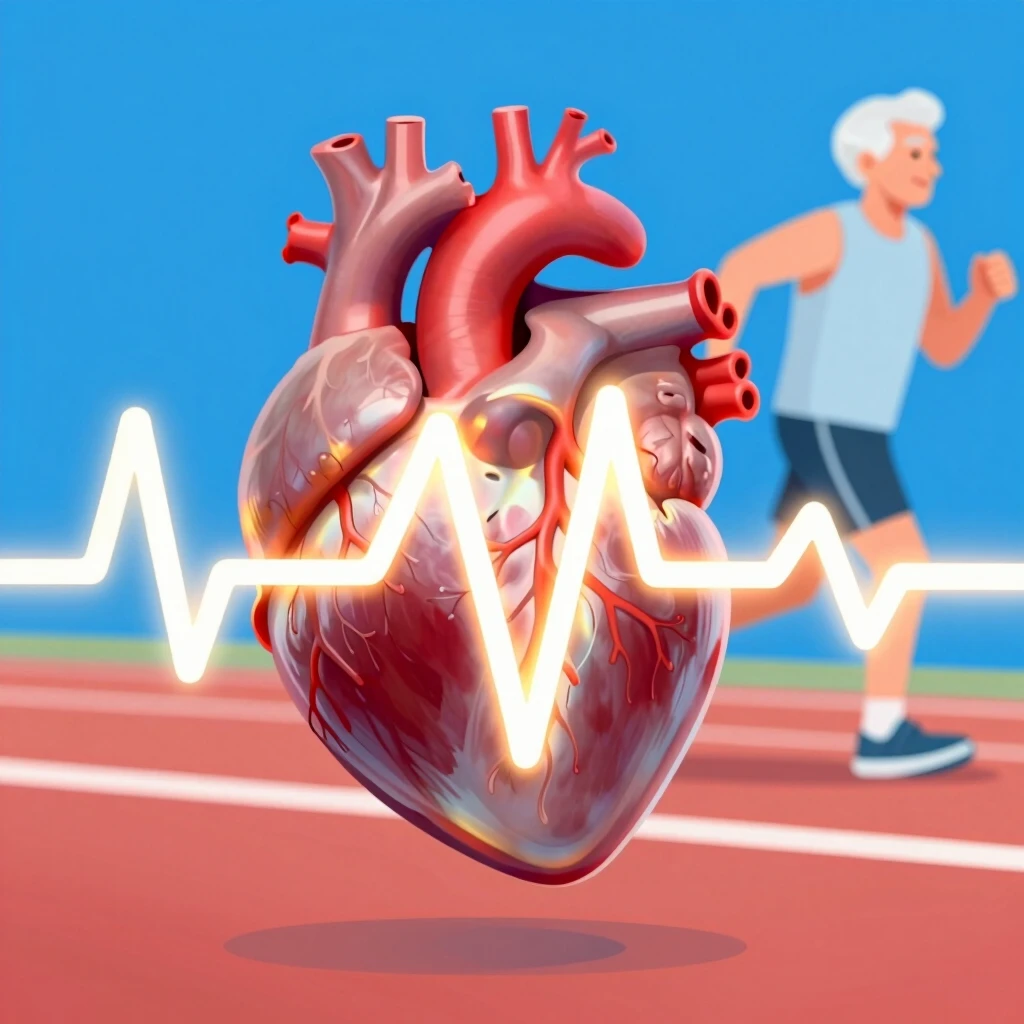
Now, let’s talk about options perfect for older adults. Staying active: simple exercises for older adults include brisk walking, which you can do anywhere. It’s free and effective.
Swimming stands out as one of the best. It’s gentle on joints thanks to water buoyancy, yet provides a full-body workout. Swimming tips for older adults: start slow, focus on steady strokes, and consider group classes for fun.
Swimming improves lung capacity, builds endurance, and is excellent for heart health. Research highlights it lowers blood pressure and reduces stroke risk.

Other low-impact cardio workouts for seniors:
- Cycling on a stationary bike
- Water aerobics
- Dancing to favorite music
- Chair-based marching or arm circles
These keep your heart rate up without strain.
To make it stick, start with 10-15 minutes and build up. Listen to your body and talk to a doctor first, especially if you have health conditions.
Nutrition plays a role too. Nutrition tips for older adults include eating heart-friendly foods like fruits, veggies, whole grains, and lean proteins. Stay hydrated, especially during workouts.
Combine cardio with strength training twice a week for balanced fitness. The CDC notes this approach supports daily activities and independence.
Sample Weekly Cardio Plan for Beginners
| Day | Activity | Duration |
|---|---|---|
| Monday | Brisk walking | 20-30 minutes |
| Tuesday | Swimming or water aerobics | 20 minutes |
| Wednesday | Rest or light stretching | - |
| Thursday | Stationary cycling | 20-30 minutes |
| Friday | Dancing or chair exercises | 20 minutes |
| Weekend | Longer walk or swim | 30-40 minutes |
Adjust as needed and track how you feel.
In summary, cardio workouts offer lifelong benefits for heart health. They strengthen your body, sharpen your mind, and add joy to daily life. Start today with something simple—you’ll thank yourself later.
For more details, check authoritative sources like the American Heart Association (heart.org) or Mayo Clinic.

Discuss Here