Overview
Living with food allergies doesn't mean giving up on a healthy, enjoyable life. With smart strategies and support, you can manage risks and focus on wellness. This guide offers practical tips to help you and your family thrive.
Understanding Food Allergies and Healthy Living
Food allergies affect millions of people worldwide. They happen when your immune system reacts to certain proteins in food. Common triggers include nuts, dairy, eggs, and shellfish. But living with these allergies can still be healthy and fulfilling.
Start by knowing your triggers. Work with an allergist to identify them through tests. Once you know, avoidance becomes key. Read labels every time. Look for clear statements like 'contains peanuts' on packages.
Healthy living with food allergies means building habits that keep you safe. Plan meals ahead. Stock your kitchen with safe options. This reduces stress and helps you eat well.
Incorporate variety. If dairy is off-limits, try almond milk or oat alternatives. For nut allergies, seeds like sunflower can add crunch and nutrition.

What is FPIES?
Food Protein-Induced Enterocolitis Syndrome, or FPIES, is a rare type of food allergy. Unlike typical allergies that cause hives or swelling right away, FPIES affects the gut. Symptoms show up hours after eating the trigger food.
Acute FPIES reactions can be severe. They often include repeated vomiting, diarrhea, and lethargy. In bad cases, a child might turn pale or floppy. These symptoms usually start 1 to 4 hours after ingestion.
Common triggers for FPIES in children are cow's milk, soy, rice, and oats. But any food can cause it. Diagnosis comes from a history of reactions and sometimes oral food challenges under medical supervision.
If your child has FPIES, quick action matters. For acute episodes, focus on hydration. Doctors might use IV fluids or medications like ondansetron to stop vomiting. Always have an emergency plan ready.
Practical Tips for Daily Management
Here are some actionable steps for healthy living with food allergies:
- Read Labels Religiously: Check ingredients every time, even for familiar products. Formulas can change.
- Prepare Safe Meals: Cook from scratch when possible. Use separate tools to avoid cross-contact.
- Dine Out Smartly: Call ahead to restaurants. Ask about ingredients and preparation methods.
- Carry Medications: Keep epinephrine auto-injectors if prescribed. For FPIES, know where the nearest ER is.
- Educate Others: Teach family, friends, and schools about your allergies. Share your action plan.
These tips help prevent reactions and let you live freely.
Using a Table for Common Allergens and Alternatives
| Allergen | Healthy Alternatives |
|---|---|
| Dairy | Almond milk, coconut yogurt, leafy greens for calcium |
| Nuts | Seeds like pumpkin or chia, avocado for healthy fats |
| Eggs | Flaxseed mix, applesauce in baking |
| Wheat | Quinoa, rice, gluten-free oats |
| Soy | Lentils, chickpeas for protein |
This table makes it easy to swap ingredients and keep meals balanced.
FPIES-Friendly Recipes for Children
Kids with FPIES need safe, fun foods. Focus on single-ingredient trials first. Once safe foods are known, get creative.
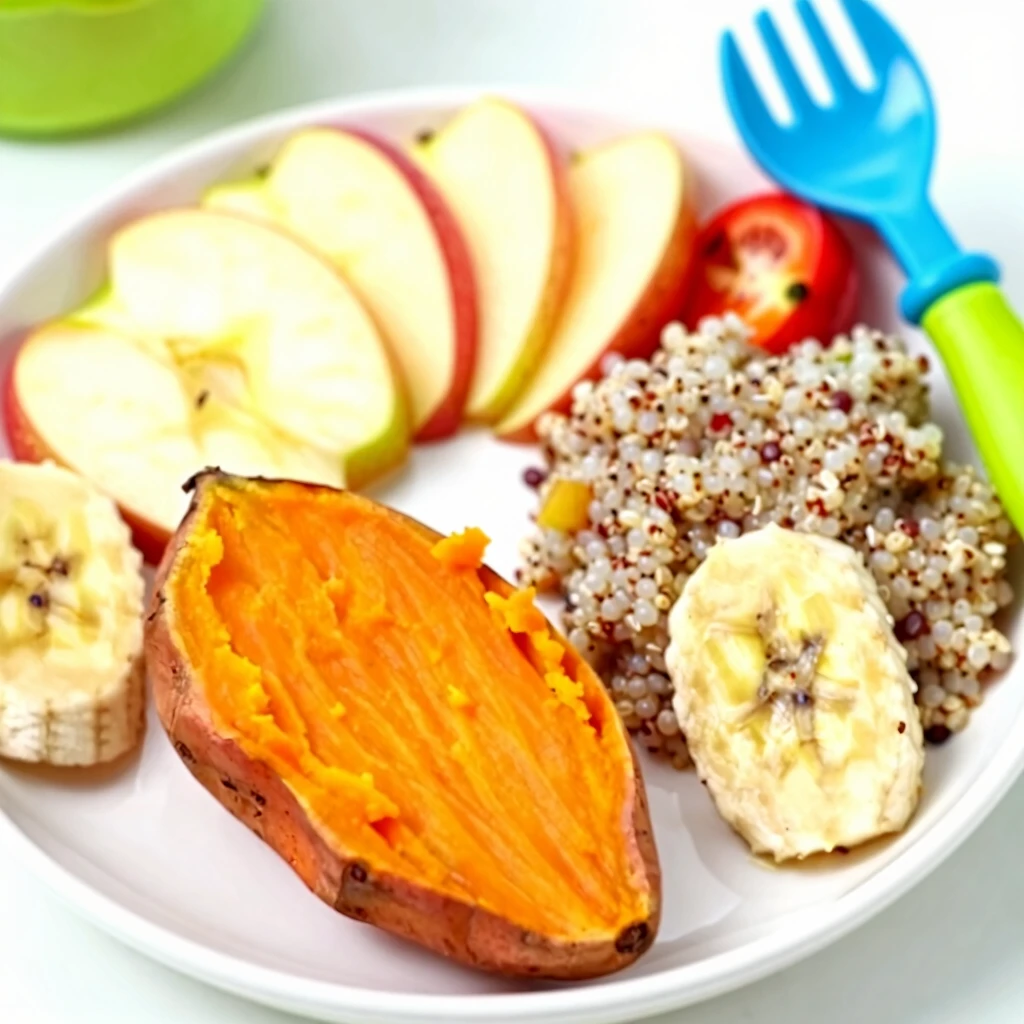
Try this simple recipe: Sweet Potato Mash. Boil one sweet potato until soft. Mash it with a bit of safe oil. It's nutritious and easy on the tummy.
Another idea: Quinoa Porridge. Cook quinoa in water. Add mashed banana if tolerated. This provides protein without common triggers.
For snacks, offer fresh fruits like apples or pears, peeled and sliced. Always introduce new foods one at a time, watching for reactions.
Personal story: When my niece was diagnosed with FPIES, we struggled at first. But experimenting with basic recipes brought joy back to mealtimes. She loves her veggie sticks now!
Connecting with the FPIES Community: Support and Resources
You're not alone. Joining communities can provide emotional support and practical advice.
The International FPIES Association offers forums, webinars, and resources. Visit their site at www.fpies.org for stories from other families.
The FPIES Foundation focuses on education and advocacy. They have virtual support groups where parents share tips on managing acute FPIES episodes.
Local allergy groups or online forums on platforms like Facebook can connect you too. Hearing others' experiences helped me feel less isolated during tough times.
Resources include doctor directories and emergency guides. Always consult professionals, but community wisdom adds real-life insights.
More Tips for Healthy Living with Food Allergies
Exercise regularly, but carry meds. Stay hydrated, especially after reactions.
Focus on mental health. Allergies can cause anxiety. Talk to a therapist if needed.
For kids, make it positive. Involve them in shopping and cooking. This builds confidence.
Travel smart: Pack safe snacks. Research destinations for allergy-friendly options.
In schools, work with staff on plans. Provide safe treats for parties.
Remember, healthy living means balance. Enjoy life while staying safe.

Personal Insights from Experience
I've seen friends navigate food allergies. One mom turned her child's FPIES diagnosis into a chance to explore new foods. They discovered quinoa and root veggies. It strengthened their bond.
Another insight: Track everything in a journal. Note foods, times, and symptoms. This helps spot patterns.
Don't fear asking questions. At stores or events, speak up. Most people want to help.
Over time, many kids outgrow FPIES. Regular check-ups guide reintroductions safely.
Summary
Healthy living with food allergies takes planning, but it's achievable. Use these practical tips to avoid risks and embrace nutrition. Connect with communities for support, especially for FPIES. Stay informed and positive for a thriving life.
For more, check the recommended readings below.

Discuss Here