Food Protein-Induced Enterocolitis Syndrome, or FPIES, is a rare type of food allergy that hits the gut hard. It often shows up in babies and young kids, causing severe vomiting and diarrhea hours after eating certain foods. Understanding FPIES and allergen exposure can make a big difference for families dealing with it.
What Is FPIES?
FPIES stands for Food Protein-Induced Enterocolitis Syndrome. Unlike typical food allergies that cause hives or breathing issues right away, FPIES reactions happen later. They affect the digestive system and can be scary. This condition is non-IgE mediated, meaning it doesn't involve the usual allergy antibodies. Instead, it triggers inflammation in the intestines when certain food proteins enter the body.
Many parents first hear about FPIES after a frightening episode with their child. I remember talking to a mom who thought her baby had a stomach bug until it happened again with the same food. It's key to recognize that FPIES isn't like other allergies, so standard tests might not catch it.
Doctors classify FPIES into acute and chronic forms. Acute FPIES is the most common, where a single exposure leads to intense symptoms. Chronic FPIES happens with repeated exposures, often to milk or soy in infants, leading to ongoing issues like poor weight gain.
Symptoms of Acute FPIES
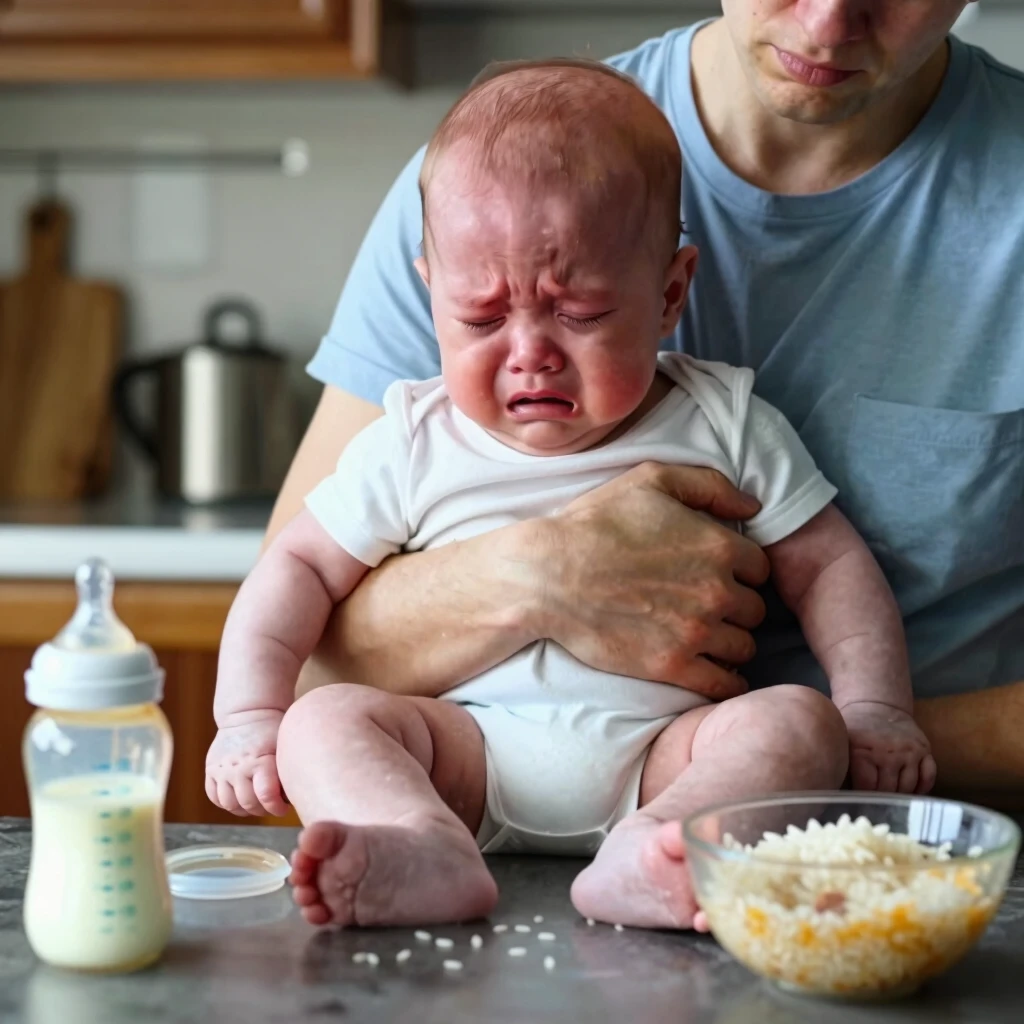
Acute FPIES reactions usually start 1 to 4 hours after eating the trigger food. The main sign is repetitive, forceful vomiting that can last for hours. Kids often turn pale, become very sleepy, and might have diarrhea. In severe cases, they can get dehydrated quickly, leading to low blood pressure or even shock.
Watch for these signs: - Profuse vomiting - Diarrhea (sometimes bloody) - Lethargy or floppiness - Pale skin - Low body temperature
If you see these, head to the emergency room right away. About 15-20% of cases need hospital care for fluids. One parent shared how her toddler went from playful to limp after eating oats – it was terrifying but knowing what it was helped her act fast.
Unlike IgE-mediated allergies, there's no anaphylaxis with swelling or breathing problems. But the delay can make it hard to connect the dots to the food.
Common Triggers in Understanding FPIES and Allergen Exposure
Any food can cause FPIES, but some are more common. In babies, cow's milk and soy top the list. As kids start solids, grains like rice, oats, and barley often trigger reactions. Eggs, fish, and poultry can also be culprits.
Here's a table of frequent triggers:
| Food Category | Common Triggers | Notes |
|---|---|---|
| Dairy | Cow's milk | Often in formula |
| Grains | Rice, oats, barley | First solids for many |
| Proteins | Soy, egg, chicken | Can appear later |
| Others | Fish, fruits like banana | Less common but possible |
Avoiding these allergens is crucial once identified. Exposure through breast milk can sometimes happen, but it's rare. A dad I spoke with avoided rice for his son after multiple episodes, slowly introducing safer foods like quinoa.
Understanding FPIES and allergen exposure means being vigilant about hidden ingredients. Read labels carefully and talk to your doctor about safe alternatives.

How Doctors Diagnose FPIES
Diagnosis relies on your child's history and symptoms. There's no simple blood or skin test like for other allergies. Doctors might rule out other issues first, then suggest an oral food challenge in a safe setting.
Share details like what food was eaten, when symptoms started, and how severe they were. Guidelines from the American Academy of Allergy, Asthma & Immunology (AAAAI) help doctors spot it. One family's journey involved several ER visits before connecting it to soy formula.
If your child has repeated reactions, keep a food diary. It helps pinpoint triggers and speeds up diagnosis.
Personal Insights: Living Through FPIES
Hearing from parents who've been there brings this to life. Take Sarah's story: Her 6-month-old daughter had her first reaction to rice cereal. 'She vomited everywhere and went floppy. We rushed to the hospital, thinking it was sepsis.' After diagnosis, they eliminated triggers and introduced new foods one at a time, under doctor guidance.
Another parent, Mike, shared: 'Our son outgrew milk FPIES by age 3, but oats still cause issues. We pack safe snacks everywhere.' These stories show the emotional toll but also the hope. Support groups like the International FPIES Association (fpies.org) offer community and tips.
Remember, you're not alone. Connecting with others eases the stress.
Managing Reactions and Daily Life
The main treatment is avoidance. Once you know the triggers, cut them out. For reactions, focus on hydration. Mild ones might pass at home with rest and fluids, but severe ones need medical help.
Doctors sometimes prescribe ondansetron to stop vomiting or steroids for inflammation. Always have an emergency plan.
Tips for daily life: - Introduce new foods slowly, one every few days. - Start with low-risk foods like fruits and veggies. - Work with a dietitian for balanced nutrition. - Educate caregivers about signs and actions.
A mom told me how she created a 'safe food list' for daycare, preventing accidents.
For breastfeeding moms, rarely, allergens pass through milk. But most can continue nursing.

Can Kids Outgrow FPIES?
Good news: Most do. By age 3 to 5, many tolerate their triggers. It varies by food – milk and soy often resolve earlier than grains.
Doctors retest with challenges every 12-18 months. One family's kid outgrew all triggers by kindergarten, expanding their world.
Stay patient and follow up regularly.
Wrapping It Up
Understanding FPIES and allergen exposure empowers you to protect your child. From spotting acute FPIES symptoms to avoiding triggers, knowledge is key. With care, most kids thrive and outgrow it. Consult experts like those at the Children's Hospital of Philadelphia (CHOP) for personalized advice.

Discuss Here