Overview
If you're new to mindfulness, this guide offers straightforward steps to start practicing today. Mindfulness helps you stay present, lower stress, and find more joy in everyday moments. Whether you're busy with work or family, these beginner-friendly tips will help you build a habit that sticks.
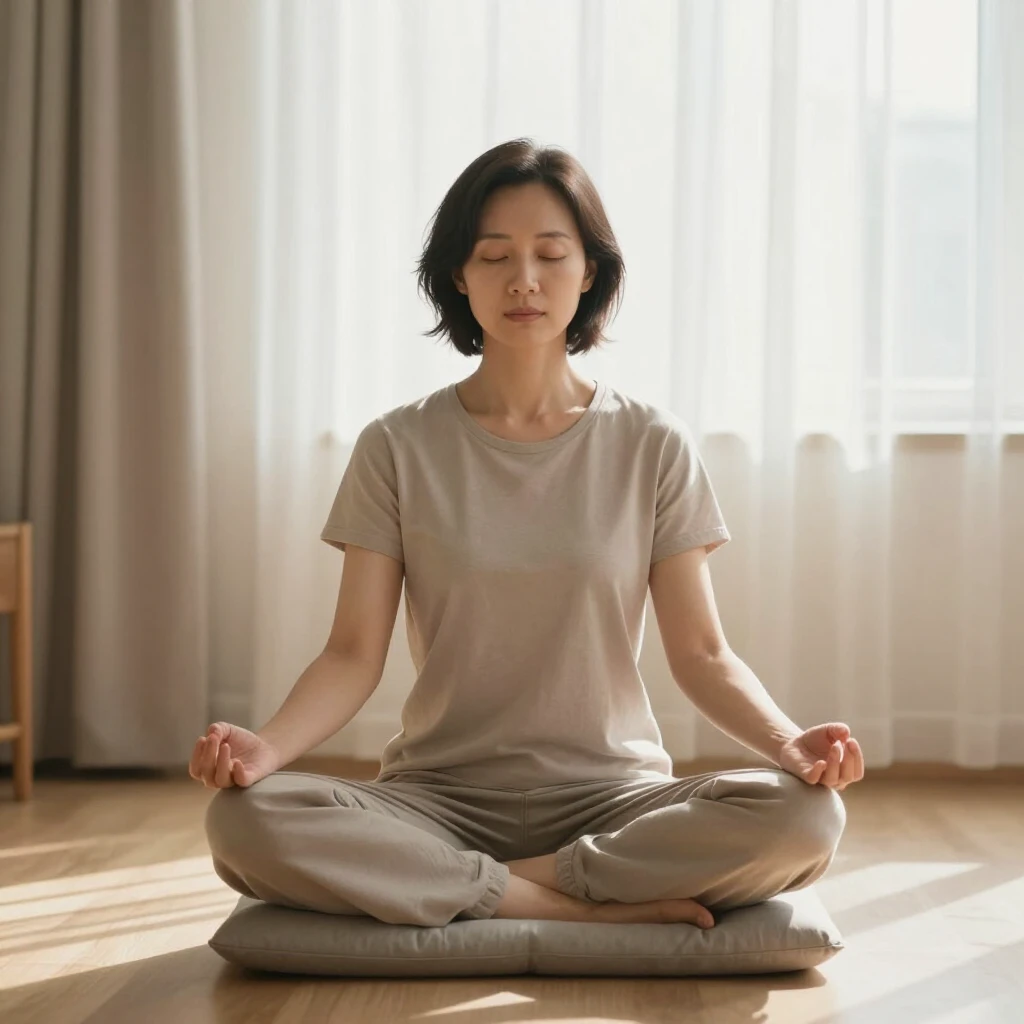
What Is Mindfulness?
Mindfulness means paying full attention to the present moment without judgment. You notice your thoughts, feelings, and surroundings as they happen. It's not about emptying your mind—it's about observing what's there with kindness.
Many people start mindfulness to handle stress better. In my own experience, I began during a hectic time at work. Just five minutes a day made me feel less overwhelmed.
Why Start Mindfulness Now?
Life moves fast. We often rush through days without really noticing them. Mindfulness brings you back to the now. It helps you respond calmly instead of reacting quickly.
Research shows real benefits. For example, the American Psychological Association explains how mindfulness meditation reduces stress by calming the mind and body.
The Science Behind Mindfulness and Stress Reduction
Studies prove mindfulness changes how your brain handles stress. It lowers cortisol, the stress hormone, and boosts areas linked to focus and calm.
Harvard researchers have found that regular practice thickens parts of the brain that control emotions. This leads to less anxiety and better mood. One key study from the University of Massachusetts highlights how Mindfulness-Based Stress Reduction (MBSR) programs help people manage chronic stress effectively.
How to Get Started: Simple Steps for Beginners
You don't need special tools or hours of time. Start small.
- Find a quiet spot. Sit comfortably in a chair or on the floor.
- Focus on your breath. Notice the air going in and out. When your mind wanders, gently bring it back—no self-criticism.
- Begin with 5 minutes. Use a timer. Build up as it feels right.
I remember my first tries. My thoughts raced everywhere. That's normal! Over weeks, it got easier, and I felt clearer.

Everyday Mindfulness Practices
Bring mindfulness into daily routines:
- Mindful eating: Savor each bite. Notice tastes and textures.
- Walking meditation: Walk slowly. Feel your feet touch the ground.
- Body scan: Lie down and notice sensations from head to toe.
These fit into busy schedules. Try one during lunch or a short walk.
Overcoming Common Challenges
Beginners often face wandering minds or frustration. Remember, it's practice, not perfection.
Tips: - Be patient with yourself. - Use free apps for guided sessions if needed. - Notice small wins, like feeling calmer after a session.
In my journey, accepting distractions as part of the process was a game-changer.
Mindfulness for Parents: Finding Calm in the Chaos
Parenting brings joy—and constant demands. Mindfulness helps you stay grounded amid tantrums, homework, and schedules.
Try short breaths during tough moments. It models calm for your kids too.
Research supports mindful parenting. Studies from the American Psychological Association show it reduces parental stress and improves family interactions.

Strategies for Stress-Free Parenting
Incorporate these:
- Family breathing breaks: Pause together for three deep breaths.
- Gratitude moments: Share one good thing from the day at dinner.
- Mindful play: Fully engage without distractions.
These build stronger bonds and teach kids emotional skills.
Holistic Approaches to Family Wellness
Mindfulness fits into broader wellness. Combine it with healthy eating, movement, and sleep. View family health as connected—your calm influences everyone.
Many families find group practices create shared peace. It's a gentle way to support each other.
Building a Lasting Habit
Consistency matters more than length. Aim for daily practice, even briefly.
Track how you feel over weeks. You'll likely notice more patience, better sleep, and less reactivity.
From personal experience, mindfulness shifted how I handle challenges. It doesn't eliminate stress but changes your relationship with it.
Final Thoughts
Starting mindfulness opens a path to greater peace and presence. Begin today with small steps. Be kind to yourself along the way. This practice grows with you, supporting personal and family well-being.

Discuss Here