Overview
Food allergies affect millions worldwide, with chronic cases posing ongoing challenges. This guide draws from leading research in The Journal of Allergy and Clinical Immunology - Food Allergy Management: https://www.jacionline.org/ to help you navigate daily life safely and confidently.

Food allergies impact about 8% of children and up to 10% of adults in the United States, according to data from the Centers for Disease Control and Prevention. Many people deal with chronic food allergies that persist into adulthood, requiring lifelong management.
The Journal of Allergy and Clinical Immunology (JACI), published at https://www.jacionline.org/, is a top resource for the latest studies on food allergy diagnosis, treatment, and prevention. It features reviews on epidemiology, new therapies like oral immunotherapy, and guidelines for handling severe reactions.
What Are Chronic Food Allergies?
Chronic food allergies involve ongoing immune responses to specific foods. Unlike intolerances, these are true allergic reactions where your body mistakes harmless proteins as threats.
Common triggers include peanuts, tree nuts, milk, eggs, wheat, soy, fish, shellfish, and sesame. For many, symptoms like hives, swelling, or anaphylaxis can occur quickly. In chronic cases, avoidance is key, but quality of life matters too.
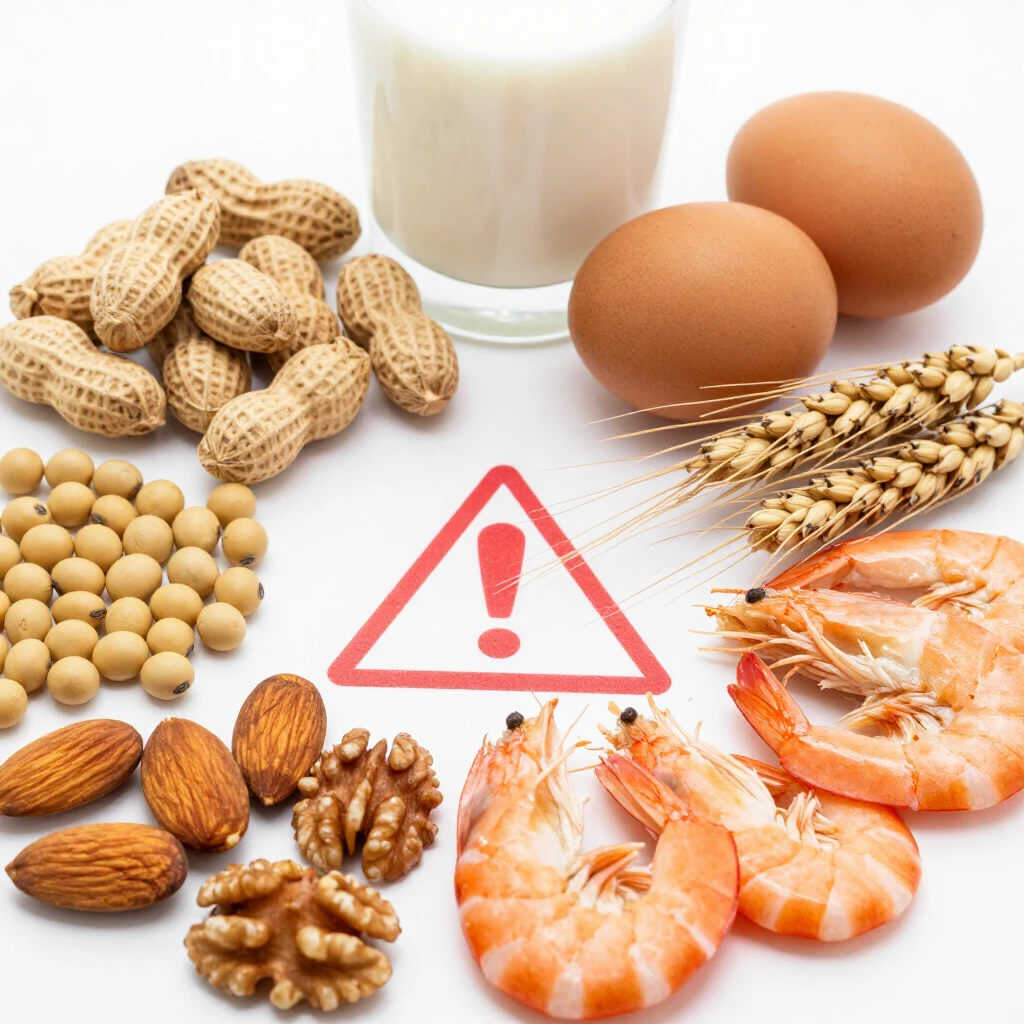
One lesser-known condition is Chronic FPIES (Food Protein-Induced Enterocolitis Syndrome). This non-IgE-mediated allergy causes severe vomiting, diarrhea, and dehydration hours after eating trigger foods like milk, soy, or grains. Chronic FPIES can lead to ongoing issues if triggers are consumed regularly.
Research in JACI highlights how early introduction of allergens may prevent some cases, but for those with established chronic allergies, strict avoidance remains the foundation.
Best Diets for Chronic Food Allergy Sufferers
Living with chronic food allergies doesn't mean sacrificing nutrition. Focus on balanced, allergen-free meals.
Here are actionable tips: - Read labels every time: Laws require clear labeling of major allergens. - Substitute smartly: Use oat milk for dairy, sunflower seed butter for peanuts. - Emphasize whole foods: Load up on fruits, vegetables, lean proteins, and safe grains like rice or quinoa. - Plan ahead: Prepare meals at home to control ingredients.
| Allergen to Avoid | Safe Alternatives | Key Nutrients Replaced |
|---|---|---|
| Milk | Almond, oat, or coconut milk | Calcium-fortified options, leafy greens |
| Eggs | Flaxseed or chia 'eggs', applesauce in baking | Bananas, yogurt (if tolerated) |
| Peanuts/Tree Nuts | Seeds like pumpkin or sunflower | Same crunch and healthy fats |
| Wheat | Gluten-free grains like buckwheat or corn | Whole grain rice or oats |
A varied diet helps maintain health. Consult a dietitian for personalized plans, especially if avoiding multiple foods.

Diagnosis and Management Insights
Accurate diagnosis starts with a detailed history and tests. The NIAID Guidelines for the Diagnosis and Management of Food Allergy01566-6/fulltext), published in JACI, stress oral food challenges as the gold standard.
Management involves: - Carrying epinephrine auto-injectors. - Creating emergency plans. - Educating family and schools.
Emerging treatments like oral immunotherapy (OIT) build tolerance gradually. Recent JACI articles discuss omalizumab, a biologic that raises reaction thresholds for multiple foods.
For Chronic FPIES, avoidance and monitoring growth are crucial. Most children outgrow it by school age.
Personal Insights and Actionable Advice
I've seen friends manage chronic allergies successfully by staying informed and proactive. One tip: Join support groups for recipe ideas and emotional support.
Travel with safe snacks, inform restaurants clearly, and never hesitate to use epinephrine if needed.
Statistics from the American Academy of Allergy, Asthma & Immunology (AAAAI) show food allergies are rising, but knowledge empowers better outcomes.
High-authority sources like the NIH Food Allergy Research explore new therapies, while CDC data tracks prevalence.
Summary
Chronic food allergies require vigilance, but with resources from The Journal of Allergy and Clinical Immunology and practical strategies, you can thrive. Focus on safe diets, stay updated on research, and seek expert care.
Remember, you're not alone—millions manage this daily and lead full lives.

Discuss Here