Overview
Chronic FPIES, or Food Protein-Induced Enterocolitis Syndrome in its ongoing form, affects mainly infants and young children. It triggers repeated vomiting and diarrhea from common foods like milk or soy. Families face daily struggles, but early detection and diet tweaks can ease the burden. This guide dives into symptoms, challenges, and practical steps forward.
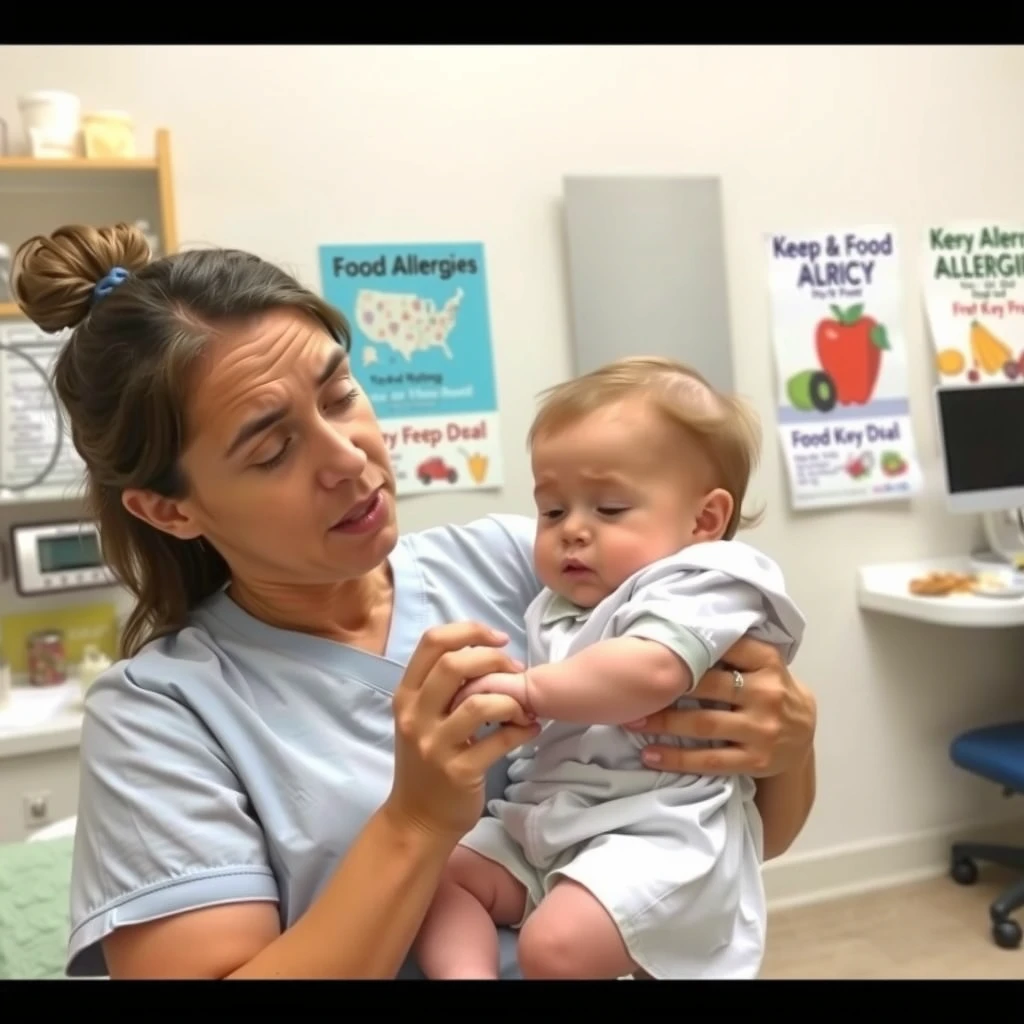
What Is Chronic FPIES?
You might have heard of food allergies that cause hives or swelling, but Chronic FPIES works differently. It's a non-IgE mediated reaction in the gut. Unlike acute episodes that hit hard and fast, Chronic FPIES builds up over time when a child keeps eating trigger foods.
Doctors first described it in the 1970s, often linked to cow's milk or soy formulas. Today, we know it can strike from any protein-rich food. The immune system attacks the food as if it's harmful, leading to inflammation in the intestines.
In my years talking with parents, I've seen how this condition hides as a 'fussy baby' issue. One mom shared how her son seemed fine at first but slowly stopped gaining weight. It turned out to be Chronic FPIES from his daily milk feedings.
Understanding Chronic FPIES and Its Challenges starts with spotting the signs early. This saves trips to the ER and helps kids thrive.
Recognizing Chronic FPIES Symptoms
Chronic FPIES Symptoms show up subtly at first. Unlike a quick allergy rash, these build gradually.
Kids often vomit after meals, but not right away. Diarrhea follows, sometimes with blood or mucus. Over weeks, they might lose weight or fail to hit growth milestones.
Other signs include: - Pale skin and low energy - Belly pain or bloating - Dehydration from fluid loss - Irritability that doesn't stop
In severe cases, it leads to failure to thrive. Parents tell me their child looked 'always sick' without a clear reason.
Here's a quick list of common symptoms:
- Intermittent vomiting
- Chronic diarrhea
- Poor weight gain
- Lethargy
- Abdominal distension
If your child shows these, see a doctor. Sites like the Children's Hospital of Philadelphia (https://www.chop.edu/conditions-diseases/food-protein-induced-enterocolitis-syndrome-fpies) offer great resources.
| Symptom | Description | When It Appears |
|---|---|---|
| Vomiting | Repeated, sometimes projectile | Hours after eating |
| Diarrhea | Watery, may have blood | Follows vomiting |
| Weight Issues | Slow gain or loss | Over days/weeks |
| Lethargy | Low energy, floppy | During episodes |
| Dehydration | Dry mouth, fewer tears | From fluid loss |
The Challenges of Living with Chronic FPIES
Dealing with Chronic FPIES brings emotional and practical hurdles. Parents juggle constant worry about what their child eats. Mealtime turns stressful.
One dad recalled endless doctor visits before diagnosis. 'We thought it was reflux,' he said. Misdiagnosis as a stomach bug delays help.
Socially, playdates or daycare become tricky. Kids miss out on treats others enjoy. Families adapt, but it takes effort.
Financially, special formulas cost more. Work absences add up from sick days.
Yet, many overcome this. Support groups on sites like the International FPIES Association (https://www.fpies.org/) connect people. Sharing stories builds strength.

Dietary Changes for Chronic Vomiting Patients
Managing Chronic Vomiting in FPIES means smart food swaps. Avoid triggers strictly to stop symptoms.
Start by cutting out suspects like cow's milk, soy, rice, or oats. Switch to elemental formulas if formula-fed. Breastfeeding moms might adjust their diet too.
Dietary changes for chronic vomiting patients focus on safe introductions. Try low-risk foods first: berries, carrots, or lamb.
Actionable tips: 1. Keep a food diary to track reactions. 2. Introduce one new food every few days. 3. Choose hypoallergenic options for supplements. 4. Work with a dietitian for balanced meals. 5. Hydrate well to fight dehydration.
A parent shared: 'We rotated veggies and proteins. It took time, but vomiting stopped.' Guidelines from ASCIA (https://www.allergy.org.au/patients/food-other-adverse-reactions/food-protein-induced-enterocolitis-syndrome-fpies) help plan diets.
Personal Insights from Those Affected
I've spoken with many facing Chronic FPIES. Sarah, a mom of two, said her daughter's symptoms started at three months. 'Vomiting after every feed broke my heart.' After diagnosis, they switched formulas. Now, at two, she's outgrown it.
Another story: Mike's son reacted to grains. 'We felt alone until joining online forums.' They learned to bake safe treats.
These tales show hope. Kids often outgrow it by age three or four. Stay patient and informed.
Diagnosis and Treatment Strategies
Doctors diagnose based on history and symptom patterns. They might do an oral food challenge in a safe setting.
Treatment? Avoid triggers. For episodes, fluids help. Severe cases need IV hydration or meds like ondansetron.
Follow-up checks tolerance over time. Most kids improve.
Experts at Cleveland Clinic (https://my.clevelandclinic.org/health/diseases/fpies) stress early action prevents complications.

Wrapping Up: Hope Amid Challenges
Understanding Chronic FPIES and Its Challenges reveals a manageable condition with the right approach. Spot symptoms early, adjust diets, and seek support. Many children outgrow it, leading to brighter days.
Remember, you're not alone. With knowledge and care, families thrive.

Discuss Here