Overview
Living with chronic fatigue can make everyday tasks challenging, especially holding down a job. This article dives into practical workplace accommodations that help people manage symptoms and stay productive. You'll find real insights, legal rights, and tips to discuss changes with your employer. (38 words)

Chronic fatigue isn't just feeling tired after a long day. It’s a deep, ongoing exhaustion that doesn’t improve much with rest. Many people link it to Chronic Fatigue Syndrome (CFS), also known as Myalgic Encephalomyelitis (ME). Symptoms include extreme tiredness, pain, brain fog, and trouble sleeping.
These issues can flare up without warning, making a standard 9-to-5 job tough. But the good news? Laws and smart strategies exist to help.
I’ve talked to many folks dealing with this. One friend shared how her energy crashed mid-afternoon every day. She pushed through for years, fearing she'd lose her job if she spoke up. Finally, she asked for flexible hours. It changed everything – she could start later and work when her energy peaked.
Under the Americans with Disabilities Act (ADA), chronic fatigue often qualifies as a disability if it substantially limits major life activities. Employers must provide reasonable accommodations unless it causes undue hardship.
The Job Accommodation Network (JAN), a free service from the U.S. Department of Labor, offers detailed ideas for Chronic Fatigue Syndrome. Visit their page on accommodations for Myalgic Encephalomyelitis/Chronic Fatigue Syndrome for symptom-specific suggestions.
Common Symptoms Impacting Work
- Severe exhaustion that worsens with activity
- Cognitive difficulties, like memory issues or concentration problems
- Muscle or joint pain
- Sleep disturbances
- Sensitivity to light, noise, or stress

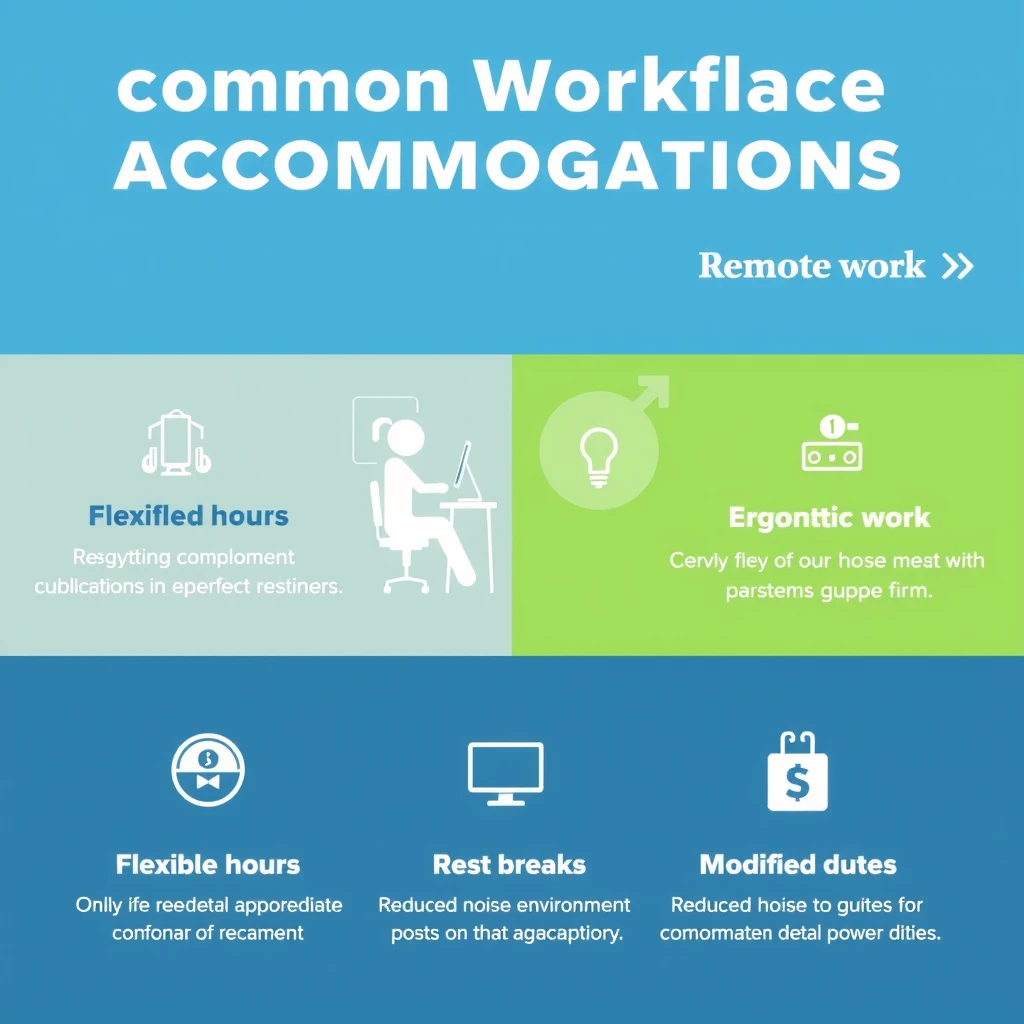
Top Workplace Accommodations for Chronic Fatigue
Here are proven changes that make a big difference:
- Flexible scheduling: Start later, take longer breaks, or adjust hours around energy levels.
- Remote or hybrid work: Reduce commuting fatigue and allow rest as needed.
- Reduced workload or part-time options: Prevent overexertion.
- Ergonomic setup: Better chair, lighting adjustments, or noise-reducing headphones.
- Frequent short breaks: Stand, walk, or rest to manage energy.
- Modified attendance policies: More sick days without penalty for flare-ups.
The Equal Employment Opportunity Commission (EEOC) provides guidance on ADA compliance. Their technical assistance manual explains employer obligations clearly.
Note: While less common, some conditions like chronic FPIES (Food Protein-Induced Enterocolitis Syndrome) can involve ongoing symptoms including lethargy. Chronic FPIES symptoms often appear in infants with repeated exposure to trigger foods, leading to persistent fatigue-like issues. However, FPIES typically resolves in childhood and rarely persists into adulthood as a source of chronic fatigue.
How to Request Accommodations
- Get a doctor's note explaining your condition and needed changes.
- Schedule a private meeting with HR or your supervisor.
- Focus on how accommodations help you perform better.
- Be open to discussion – employers may suggest alternatives.
- Document everything in writing.
Many fear backlash, but the ADA protects against retaliation. One person I know requested a quiet workspace. Her boss agreed quickly, and productivity improved for the whole team.
Tips for Managing Chronic Fatigue at Work
- Pace yourself: Break tasks into smaller chunks.
- Prioritize: Tackle high-energy tasks when you feel best.
- Communicate: Let colleagues know about invisible illnesses without oversharing.
- Self-care: Stay hydrated, eat well, and use stress reduction techniques.
- Track patterns: Note what triggers crashes to avoid them.
The Centers for Disease Control and Prevention (CDC) recognizes ME/CFS as a serious condition. Learn more from their ME/CFS information page.
Employers benefit too. Accommodated workers stay longer, miss fewer days, and contribute more. It's a win-win.
Summary
Chronic fatigue and workplace accommodations go hand in hand for better quality of life. Know your rights, speak up, and use available resources. Small changes can lead to big improvements in managing symptoms on the job.

Discuss Here