A Quick Introduction to Cognitive Behavioral Therapy
Cognitive Behavioral Therapy, or CBT, helps people change unhelpful thoughts and behaviors that fuel emotional distress. It focuses on the present and equips you with practical tools to manage problems effectively. Many experts consider it one of the most effective therapies for conditions like anxiety and PTSD.

What Is Cognitive Behavioral Therapy?
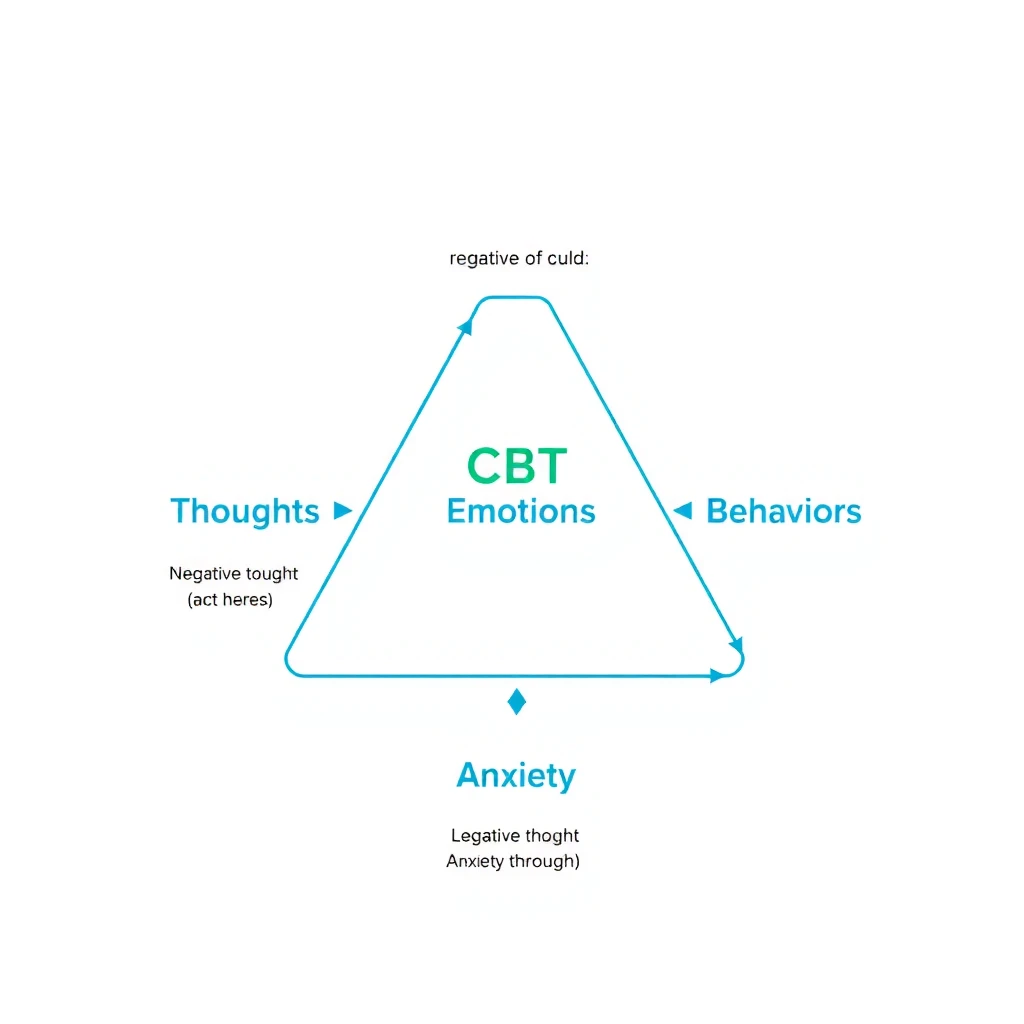
You think, feel, and act in ways that connect deeply. CBT builds on this idea. Negative thoughts can spark tough emotions, which then lead to problematic behaviors. By spotting and shifting these patterns, you gain better control over your life.
The American Psychological Association explains that Cognitive Behavioral Therapy focuses on the links between thoughts, feelings, and behaviors. It targets current issues and usually lasts 12 to 16 sessions.
In my experience working with clients, I've seen how small shifts in thinking bring big improvements in daily functioning.
How CBT Works: Key Techniques
Therapists use several proven methods in CBT:
- Cognitive Restructuring: You identify distorted thoughts, like always expecting the worst, and replace them with balanced views.
- Exposure Therapy: You gradually face feared situations in a safe way to reduce avoidance.
- Behavioral Activation: You increase enjoyable activities to lift mood.
- Relaxation Skills: Techniques like deep breathing calm physical symptoms.
These tools help rebuild a sense of control and confidence.
The Role of Behavioral Therapy in Anxiety Management
Anxiety disorders affect millions, causing excessive worry that disrupts life. The National Institute of Mental Health notes that anxiety disorders involve more than temporary fear.
CBT stands out as a top treatment. It teaches you to challenge anxious thoughts and face fears step by step. Studies show it often works as well as or better than medication, with lasting results.
One client I supported used exposure to overcome social fears. Over time, attending gatherings became easier and more enjoyable.
Common Types of Anxiety Treated with CBT
| Type of Anxiety | Key Symptoms | How CBT Helps |
|---|---|---|
| Generalized Anxiety Disorder | Constant worry about everyday things | Teaches worry management and relaxation |
| Panic Disorder | Sudden intense fear attacks | Identifies triggers and builds coping skills |
| Social Anxiety | Fear of judgment in social settings | Gradual exposure to social situations |
| Specific Phobias | Intense fear of objects or situations | Systematic exposure to reduce fear response |
The NIMH highlights CBT as a core approach in their overview of psychotherapies.
Mindfulness Techniques for Anxiety
Many CBT programs now include mindfulness. You learn to observe thoughts without judgment, staying present instead of getting caught in worry spirals.
Simple practices like focused breathing or body scans reduce stress quickly. Research supports combining mindfulness with CBT for stronger outcomes in anxiety management.

Acceptance and Commitment Therapy for Anxiety
Acceptance and Commitment Therapy (ACT) shares roots with CBT but emphasizes accepting thoughts while committing to value-driven actions. It helps you move forward despite anxiety, rather than fighting it constantly.
ACT proves useful when traditional CBT needs a boost, encouraging flexibility in thinking.
Benefits and Evidence
Numerous studies back CBT's effectiveness. For PTSD, the APA strongly recommends it as a first-line treatment. It also helps with depression, insomnia, and more.
Real people see real change. You learn skills that last beyond therapy, reducing relapse risk.
From my perspective, the collaborative nature—working as a team with your therapist—makes CBT empowering.
Getting Started with CBT
If you're considering CBT:
- Talk to your doctor or find a licensed therapist.
- Look for someone trained in evidence-based CBT.
- Commit to homework between sessions for best results.
Online options and apps now make CBT more accessible too.
Final Thoughts
Cognitive Behavioral Therapy offers a practical, proven path to better mental health. It puts tools in your hands to handle life's challenges with greater ease. Whether dealing with anxiety, trauma, or everyday stress, CBT can make a meaningful difference.
Start small, stay consistent, and celebrate progress along the way.

Discuss Here