Overview
Chronic fatigue and sleep disorders affect millions, disrupting lives with persistent exhaustion and poor sleep quality. Conditions like Chronic Fatigue Syndrome (CFS) and Chronic FPIES Symptoms can overlap, complicating diagnosis and treatment. This guide dives into their causes, impacts, and solutions, offering hope and practical advice.
What Are Chronic Fatigue and Sleep Disorders?
Chronic fatigue and sleep disorders are more than just feeling tired. Chronic Fatigue Syndrome, often called CFS, is a complex condition marked by extreme tiredness that doesn’t improve with rest. Sleep disorders, like insomnia or sleep apnea, disrupt normal sleep patterns, worsening fatigue. When combined with Chronic FPIES—a rare food allergy condition causing severe gastrointestinal issues and fatigue—the challenges multiply.
I’ve spoken with people who describe waking up feeling like they’ve run a marathon. One friend, Sarah, shared how her Chronic Fatigue made even simple tasks like grocery shopping feel impossible. For those with Chronic FPIES Symptoms, eating the wrong food can trigger debilitating exhaustion, adding another layer of complexity.
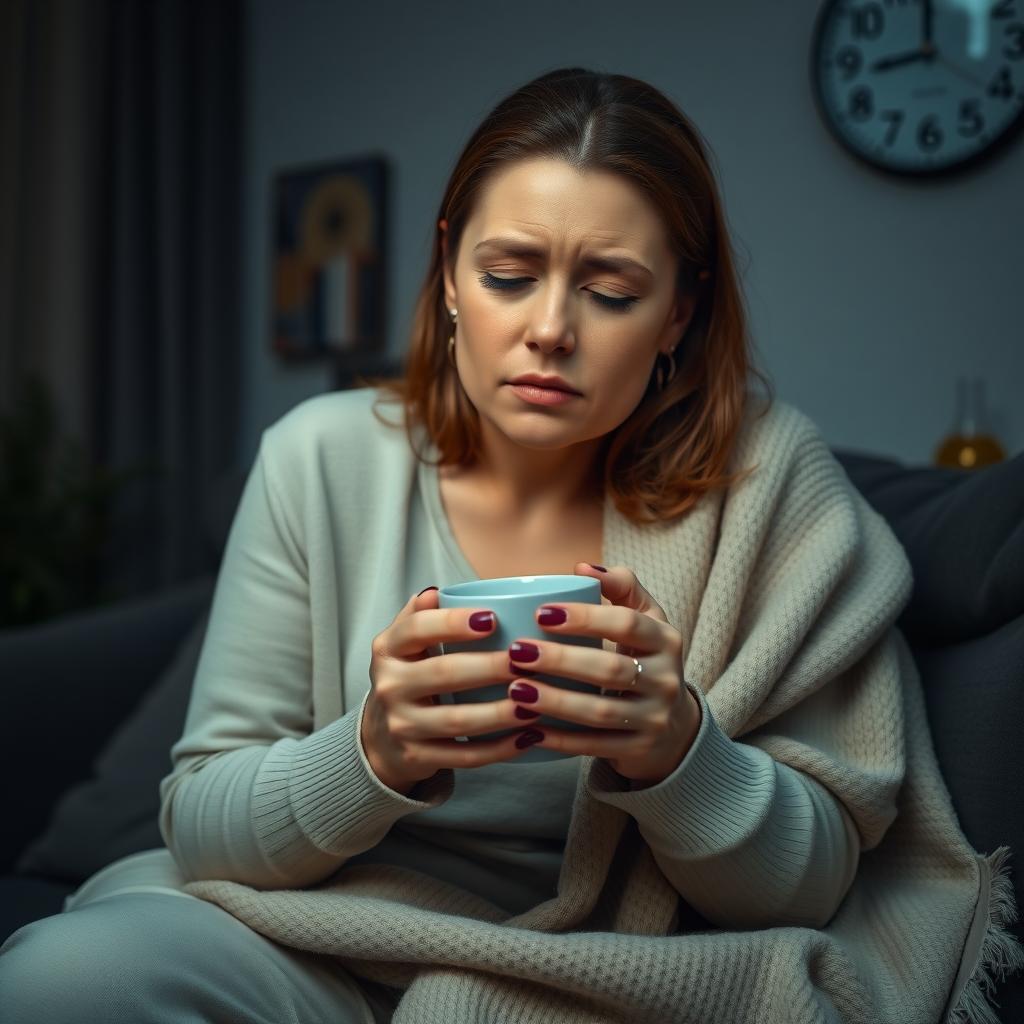
Causes and Triggers
The causes of chronic fatigue and sleep disorders vary widely. For Chronic Fatigue Syndrome, experts point to potential triggers like viral infections, immune system issues, or chronic stress. Sleep disorders might stem from physical issues (like airway obstruction in sleep apnea) or psychological factors (like anxiety). Chronic FPIES, meanwhile, is linked to specific food triggers, leading to symptoms like vomiting, diarrhea, and profound fatigue.
Here’s a quick breakdown of common causes:
| Condition | Potential Causes |
|---|---|
| Chronic Fatigue Syndrome | Viral infections, immune dysfunction, stress |
| Sleep Disorders | Sleep apnea, insomnia, restless leg syndrome |
| Chronic FPIES | Food allergies, immune response to specific proteins |
For example, Chronic FPIES Symptoms often appear after consuming trigger foods like dairy or soy. I remember a colleague who discovered her fatigue was tied to FPIES after years of misdiagnosis. Identifying triggers is key but often requires patience and medical support.
The Impact on Daily Life
Living with chronic fatigue and sleep disorders feels like carrying a heavy backpack everywhere. Simple tasks—cooking, working, socializing—become monumental. Sleep disorders disrupt rest, leaving you foggy and irritable. Chronic FPIES adds dietary restrictions, making meals a source of stress rather than nourishment.
I once met a young man, Jake, who described how his CFS forced him to quit his job. “I’d sleep for hours but wake up exhausted,” he said. For those with Chronic FPIES Symptoms, eating out is a gamble, as hidden ingredients can trigger flare-ups. These conditions don’t just affect the body—they impact relationships, careers, and mental health.

Diagnosis Challenges
Diagnosing chronic fatigue and sleep disorders is tricky. There’s no single test for Chronic Fatigue Syndrome, and doctors often rely on ruling out other conditions. Sleep disorders may require a sleep study, which can be costly and time-consuming. Chronic FPIES is even harder to pin down, as symptoms mimic other gastrointestinal disorders.
Here are steps to improve diagnosis: - Track Symptoms: Keep a detailed journal of fatigue, sleep patterns, and dietary reactions. - Seek Specialists: Consult a sleep specialist or allergist for targeted testing. - Advocate for Yourself: Push for thorough evaluations, as misdiagnosis is common.
A friend with Chronic FPIES Symptoms spent years being told her issues were “just stress” before an allergist identified her condition. Patience and persistence are critical.
Management Strategies
Managing chronic fatigue and sleep disorders requires a multi-faceted approach. Here are actionable strategies based on research and real experiences:
- Prioritize Sleep Hygiene: Stick to a consistent sleep schedule, limit screen time before bed, and create a calming bedroom environment. For sleep disorders like insomnia, cognitive behavioral therapy (CBT) can be effective.
- Dietary Adjustments for FPIES: Work with a dietitian to identify safe foods. For Chronic FPIES, avoiding trigger foods like dairy or grains is essential.
- Pacing Activities: Break tasks into small chunks to avoid overexertion, a key strategy for Chronic Fatigue.
- Medical Support: Medications or therapies, like CPAP for sleep apnea, can help. For CFS, some find relief with low-dose antidepressants.
I’ve seen how pacing helped a neighbor with CFS regain control. She’d plan one task a day, like laundry, and rest afterward. For FPIES, keeping a food diary was a game-changer for another friend.

Emotional and Social Support
The emotional toll of chronic fatigue and sleep disorders can’t be overstated. Isolation is common, as others may not understand the invisible struggle. Joining support groups, either online or in-person, can provide a sense of community. For Chronic FPIES, connecting with others who navigate similar dietary challenges is invaluable.
I recall a woman who found solace in an online CFS group. “It was the first time I didn’t feel alone,” she shared. Therapy can also help manage the stress and depression that often accompany these conditions.
When to Seek Professional Help
If fatigue or sleep issues persist for months, it’s time to see a doctor. Start with a primary care physician, who may refer you to specialists. For Chronic FPIES Symptoms, an allergist or gastroenterologist is key. Don’t ignore symptoms like severe weight loss or inability to function—these demand urgent attention.
The Mayo Clinic offers excellent resources on CFS (https://www.mayoclinic.org/diseases-conditions/chronic-fatigue-syndrome/symptoms-causes), and the FPIES Foundation (https://fpiesfoundation.org) provides guidance for those with FPIES.
Summary
Chronic fatigue and sleep disorders, including Chronic Fatigue Syndrome and Chronic FPIES Symptoms, are complex but manageable with the right strategies. By understanding triggers, seeking proper diagnosis, and adopting lifestyle changes, you can reclaim some control. Stay proactive, connect with others, and don’t lose hope—small steps lead to big improvements.

Discuss Here