Overview
Creating a safe and welcoming classroom for students with allergies is more than a responsibility—it’s a commitment to every child’s well-being. From food allergies to environmental triggers, teachers play a key role in fostering inclusion while preventing emergencies. This guide offers practical steps for Creating an Inclusive Classroom for Students with Allergies.
Why Inclusion Matters for Students with Allergies
Allergies affect millions of children, with food allergies alone impacting about 8% of kids in the U.S., according to the CDC. These conditions can range from mild reactions to life-threatening anaphylaxis. For students with allergies, school isn’t just a place to learn—it’s a space where they must feel safe. An inclusive classroom ensures these students can focus on learning without fear of exposure to allergens.
I remember a student, Emma, who had a severe peanut allergy. Her parents shared how anxious she felt at school, worrying about accidental exposure during lunch. That experience taught me how small changes, like clear communication and proactive planning, can make a huge difference.
Understanding Allergies in the Classroom
Allergies can be triggered by foods, environmental factors like pollen or dust, or even insect stings. Some students may have rare conditions like Food Protein-Induced Enterocolitis Syndrome (FPIES), a non-IgE-mediated food allergy that causes severe gastrointestinal symptoms. Understanding FPIES and allergen exposure is critical, as reactions can be delayed and often mistaken for other illnesses.
For example, a child with Acute FPIES might experience vomiting or diarrhea hours after eating a trigger food, like dairy or soy. Teachers need to recognize these symptoms and act quickly. Working closely with parents and school nurses helps you understand each student’s specific needs.
Steps to Create an Inclusive Classroom
Here’s how teachers can build a safe, inclusive environment:
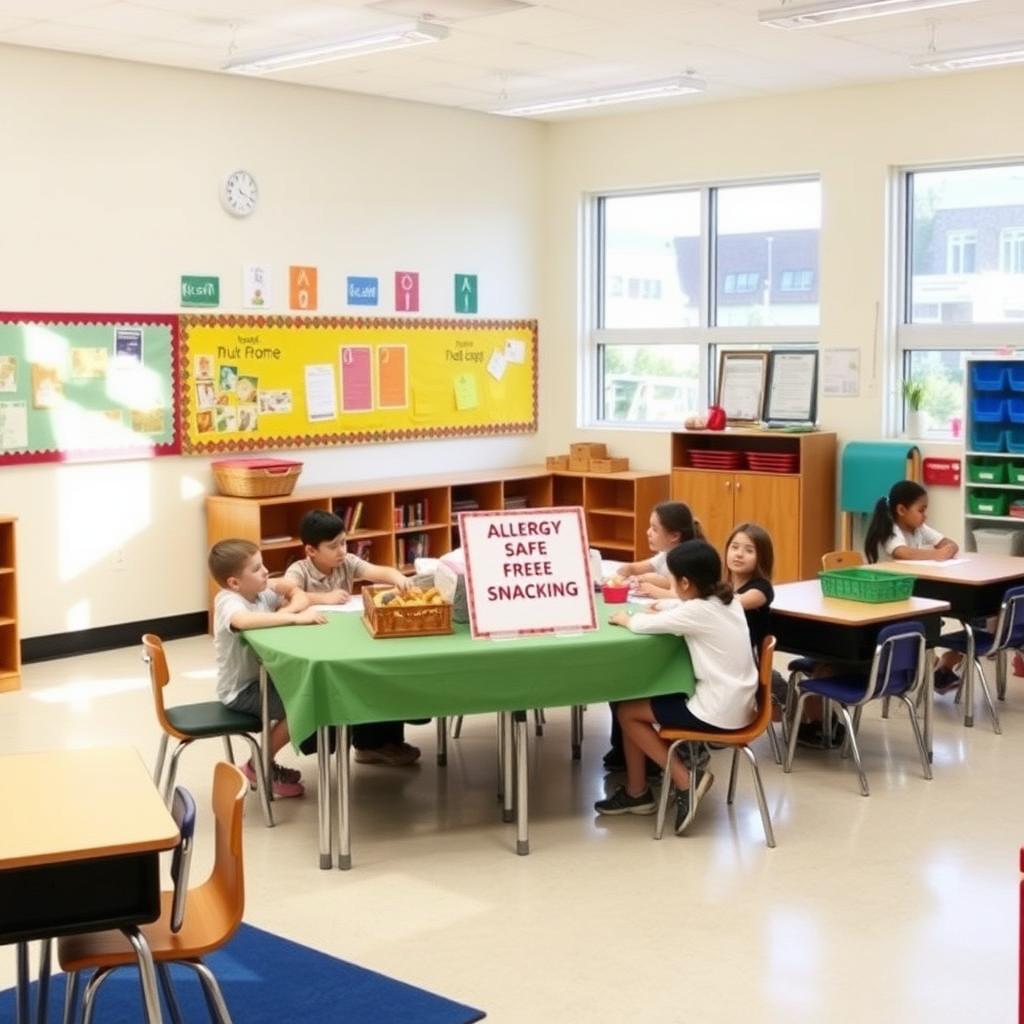
- Communicate with Families: Start the school year by sending a questionnaire to parents about allergies. Ask about specific triggers, symptoms, and emergency plans.
- Create Allergen-Free Zones: Designate areas like a nut-free table in the cafeteria or a dust-free reading nook. Clearly label these spaces.
- Educate Students: Teach classmates about allergies in an age-appropriate way. For younger kids, explain that sharing snacks can be harmful. For older students, discuss empathy and inclusion.
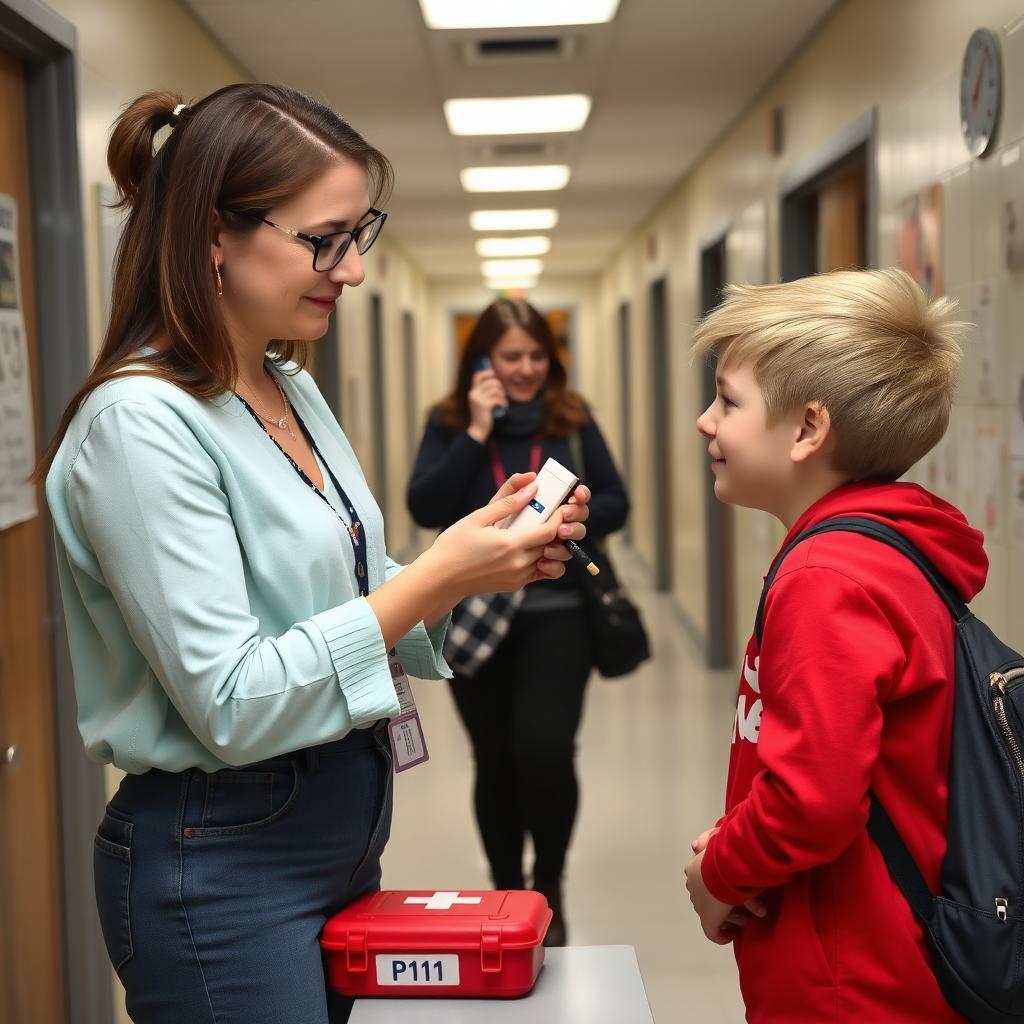
- Train Staff: Ensure all teachers and aides know how to use an epinephrine auto-injector (like an EpiPen) and recognize signs of an allergic reaction.
- Review Policies: Work with administrators to enforce allergy-aware policies, like banning certain foods during class parties.
These steps don’t just protect students with allergies—they foster a culture of respect and care.
Handling Allergy Emergencies: A Teacher’s Guide
Emergencies can happen, and being prepared is non-negotiable. Handling Allergy Emergencies: A Teacher’s Guide starts with knowing the signs of an allergic reaction: hives, swelling, difficulty breathing, or vomiting. For Acute FPIES, symptoms might include pale skin or lethargy hours after exposure.
Here’s a quick action plan:
| Step | Action |
|---|---|
| 1. Recognize | Look for symptoms like wheezing, swelling, or vomiting. |
| 2. Act Fast | Administer an epinephrine auto-injector if trained and authorized. |
| 3. Call for Help | Contact the school nurse and call 911 immediately. |
| 4. Inform Parents | Notify the student’s family as soon as possible. |
| 5. Document | Record the incident for school records and future prevention. |
I once had to use an EpiPen on a student during a field trip. The training I’d received made all the difference—calm action saved the day.
Guide to Managing Allergies in School Settings
Guide to Managing Allergies in School Settings means thinking beyond the classroom. Consider these areas:
- Lunchrooms: Enforce allergen-free tables and train cafeteria staff to avoid cross-contamination.
- Field Trips: Pack safe snacks and carry emergency medications. Inform chaperones about allergy protocols.
- Classroom Activities: Avoid crafts with allergens (e.g., peanut butter bird feeders) and use hypoallergenic supplies.
- Celebrations: Plan allergy-safe treats for birthdays or holidays. Ask parents to provide safe options for their child.
One year, I worked with a parent to create a “safe treat box” for their child, filled with pre-approved snacks. It was a simple solution that let the student join in celebrations without worry.
Collaborating with School Staff and Families
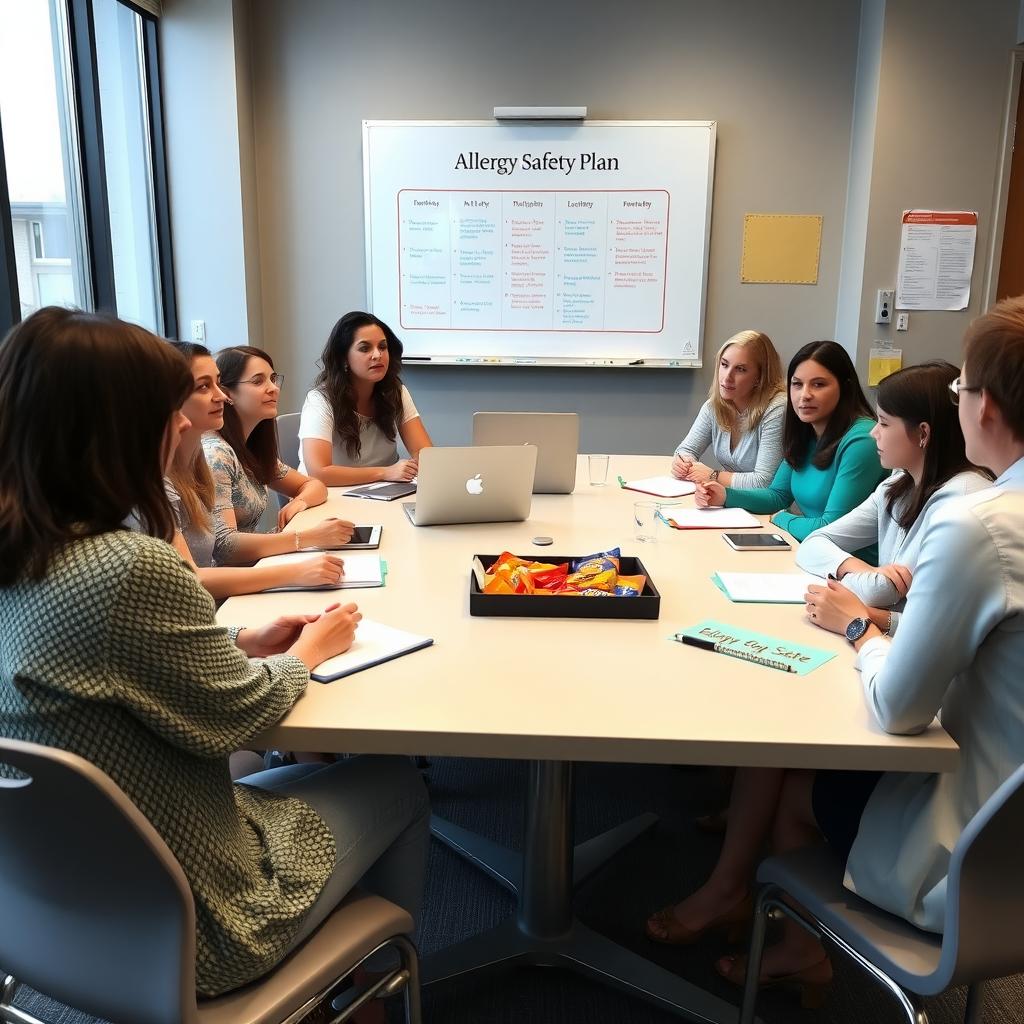
Inclusion requires teamwork. Meet with school nurses, administrators, and custodial staff to align on allergy policies. For example, custodians can use hypoallergenic cleaning products to reduce environmental triggers. Regular check-ins with parents keep everyone on the same page.
I’ve found that hosting an allergy awareness workshop for staff at the start of the year builds confidence. It’s also a chance to share resources, like those from the Food Allergy Research & Education (FARE) website.
Educating the School Community
Inclusion isn’t just about safety—it’s about understanding. Host an allergy awareness day to teach students and staff about empathy. Share stories (with permission) about what it’s like to live with allergies. This builds a supportive community where everyone feels valued.
For students with FPIES, explain that reactions might not happen right away, so vigilance is key. Simple analogies, like comparing allergies to a “body alarm system,” help younger kids grasp the concept.
Overcoming Challenges
Challenges like skepticism from parents (“Is this allergy real?”) or pushback on food restrictions can arise. Address these with data—share statistics like the 32 million Americans with food allergies, per FARE. Be firm but kind, emphasizing that safety benefits everyone.
Another hurdle is balancing inclusion with normalcy. Students with allergies don’t want to feel singled out. Discreet accommodations, like quietly checking snack labels, help them blend in while staying safe.
Summary
Creating an Inclusive Classroom for Students with Allergies is about preparation, empathy, and collaboration. By understanding conditions like FPIES, following a clear Guide to Managing Allergies in School Settings, and mastering Handling Allergy Emergencies: A Teacher’s Guide, educators can ensure every student thrives. Small actions—like clear communication and safe spaces—create a big impact.

Discuss Here