Overview
Visual supports are game-changers for children with autism, helping them navigate daily routines, communicate needs, and reduce anxiety. From visual schedules to picture cards, these tools create structure and predictability. This article dives into their benefits, practical applications, and how families can use them effectively, drawing on insights from Autism Speaks.
Why Visual Supports Matter
Children with autism often process information differently. Many are visual learners, meaning they understand and retain information better when it’s presented visually rather than verbally. The Power of Visual Supports for Children with Autism - Autism Speaks emphasizes that these tools can bridge communication gaps, reduce frustration, and foster independence.
Imagine a child who struggles to follow verbal instructions for getting ready for school. A visual schedule with pictures of brushing teeth, eating breakfast, and putting on shoes can make the process clear and manageable. These supports provide a sense of control, which is vital for children who may feel overwhelmed by unpredictability.
Understanding Visual Schedules: A Guide for Families
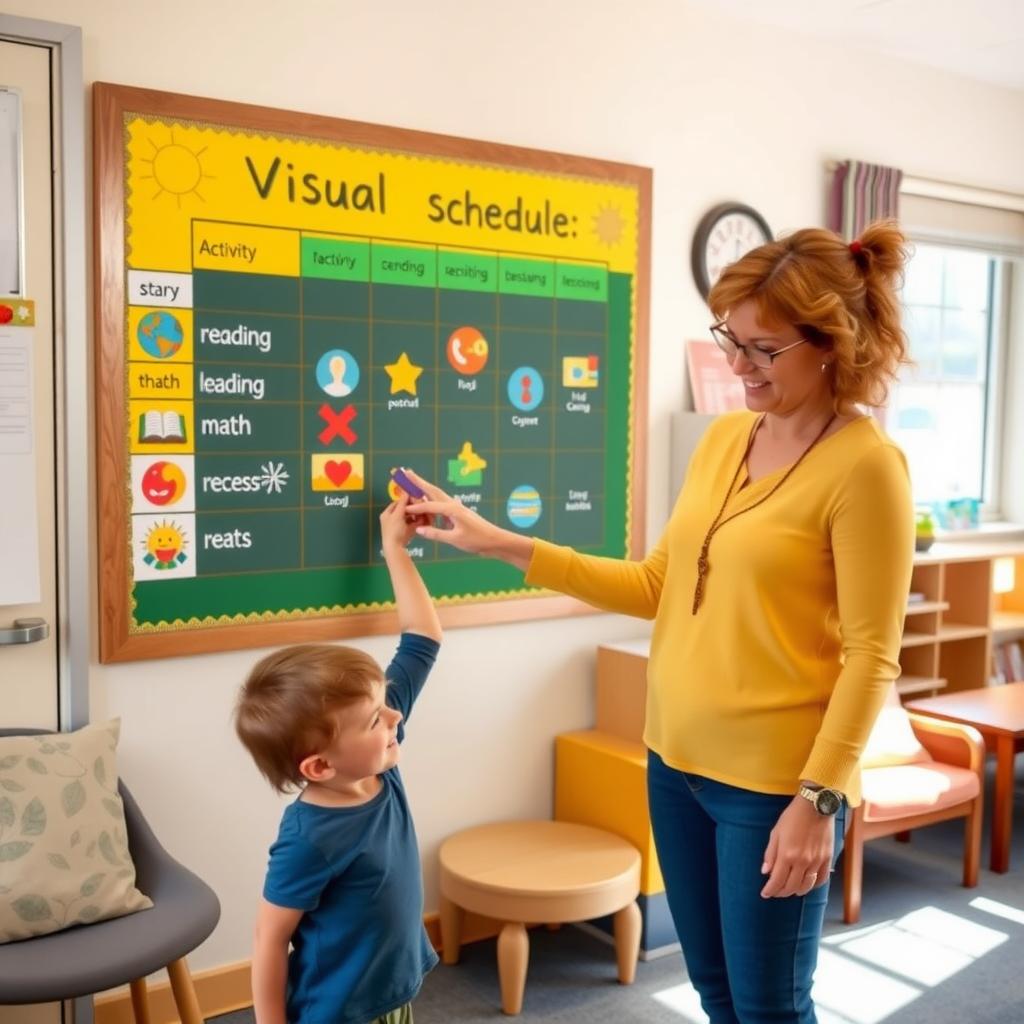
Visual schedules are one of the most effective tools for children with autism. They break down tasks or daily routines into clear, step-by-step visuals. According to Autism Speaks, these schedules help children anticipate what’s next, reducing anxiety and improving transitions between activities.
For example, a morning routine schedule might include: - Wake Up: Picture of a bed with a rising sun. - Brush Teeth: Image of a toothbrush and toothpaste. - Eat Breakfast: Icon of a cereal bowl. - Get Dressed: Picture of clothes.
These visuals can be physical cards, digital apps, or printed charts. The key is consistency—using the same images daily helps children internalize the routine. Parents can start small, creating a schedule for one part of the day, then gradually expand it.
How Visual Supports Enhance Communication
Many children with autism face challenges with verbal communication. Visual supports, like picture exchange communication systems (PECS), allow them to express needs without words. For instance, a child can hand a picture of a glass of water to request a drink. This reduces frustration and builds confidence.
Autism Speaks highlights that visual supports aren’t just for non-verbal children. Even those who speak can benefit from visual cues to clarify instructions or express emotions. A feelings chart with faces showing happy, sad, or angry can help a child articulate their mood, fostering emotional awareness.
Integrating Applied Behavior Analysis Strategies
Visual supports pair beautifully with Applied Behavior Analysis (ABA) strategies for parents. ABA is a behavioral therapy that focuses on reinforcing positive behaviors and teaching new skills. Visual tools enhance ABA by providing clear expectations. For example, a token board—a visual reward system—can motivate a child to complete tasks. Each completed task earns a token, and after collecting a set number, they receive a reward, like extra playtime.
Here’s how parents can use ABA-inspired visual supports: 1. Set Clear Goals: Use visuals to outline specific tasks, like completing homework. 2. Offer Visual Rewards: Create a chart where kids place stickers for each task completed. 3. Be Consistent: Use the same visuals daily to build habits.
These strategies, rooted in Applied Behavior Analysis, empower parents to create structured, supportive environments at home.
Real-Life Impact: Stories from Families
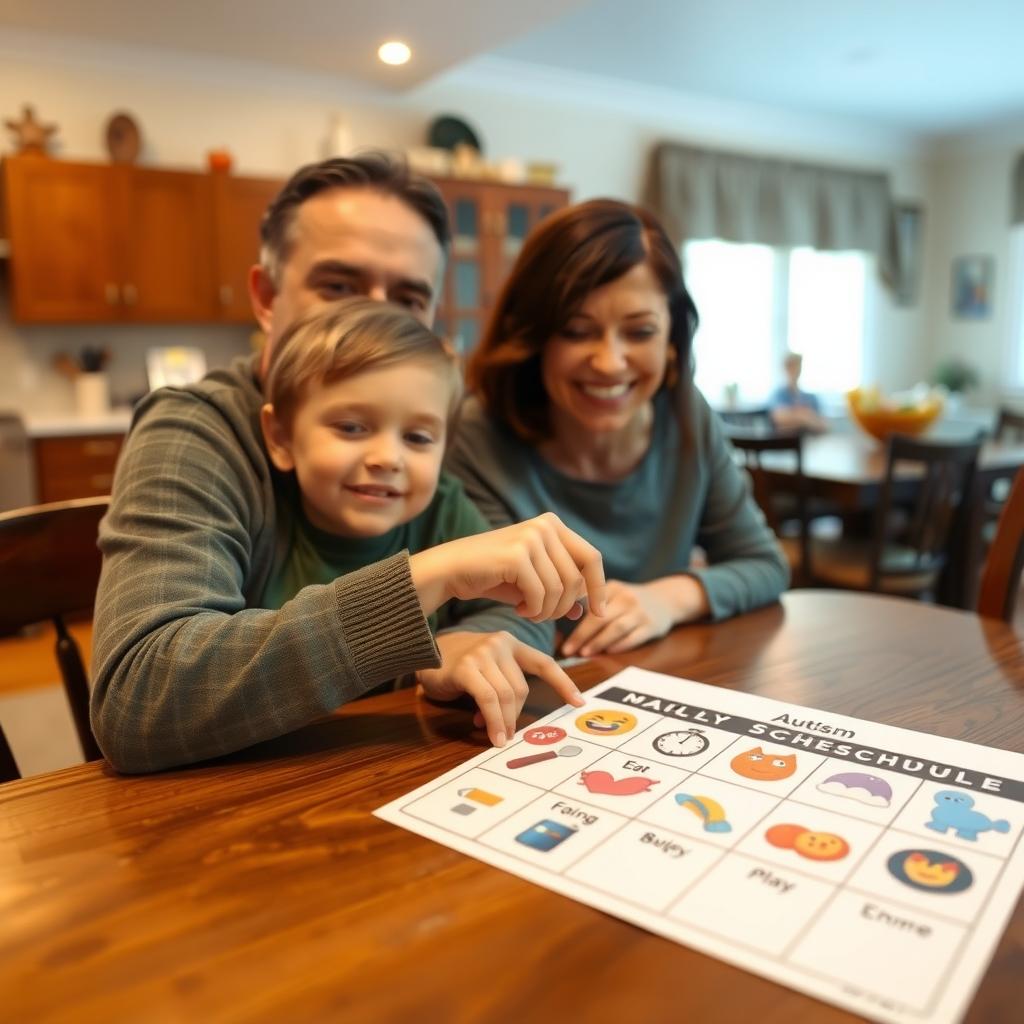
I’ve spoken with families who’ve seen incredible changes using visual supports. One parent shared how their son, who struggled with transitions, began thriving after using a visual schedule. Before, moving from playtime to dinner was a battle. Now, a simple picture chart helps him anticipate and prepare for the change, reducing meltdowns.
Another family used a feelings board to help their daughter express when she felt overwhelmed. By pointing to a picture, she could communicate her need for a break, giving her a sense of control. These stories show how visual supports, backed by Autism Speaks’ guidance, transform daily life.
Practical Tips for Creating Visual Supports
Creating effective visual supports doesn’t require fancy tools. Here are practical steps for families:
| Step | Description |
|---|---|
| Choose Simple Images | Use clear, recognizable pictures. Apps like Boardmaker or free online resources work well. |
| Start Small | Focus on one routine, like bedtime, before expanding. |
| Involve Your Child | Let them pick images or decorate the schedule to build ownership. |
| Keep It Accessible | Place schedules where kids can see them, like on a fridge or bedroom wall. |
| Update as Needed | Adjust visuals as your child’s needs or routines change. |
Consistency is key. Use the same images and routines daily to build familiarity. If you’re new to this, Autism Speaks offers free templates and guides to get started.
Combining Visual Supports with Behavioral Therapy
Behavioral therapy, like ABA, relies on structure and repetition, which visual supports enhance. Therapists often use visuals to teach skills like turn-taking or waiting. At home, parents can mimic these strategies. For instance, a visual timer can help a child understand how long they need to wait for a turn, making abstract concepts concrete.
Autism Speaks recommends collaborating with your child’s therapist to align home and therapy visuals. This consistency reinforces learning across environments, helping skills stick. If you’re using ABA, ask your therapist for specific visuals tailored to your child’s goals.

Overcoming Challenges with Visual Supports
While visual supports are powerful, they’re not a one-size-fits-all solution. Some children may resist new tools at first. Start by introducing visuals during low-stress times, like play, to build comfort. If a child ignores the schedule, try making it interactive—add velcro pieces or let them move images as tasks are completed.
Another challenge is keeping visuals age-appropriate. As children grow, swap cartoonish images for more mature ones, like photos or text-based cues. Autism Speaks suggests checking in regularly to ensure visuals meet your child’s evolving needs.
Summary
The Power of Visual Supports for Children with Autism - Autism Speaks lies in their ability to create clarity, reduce anxiety, and foster independence. By using visual schedules and integrating them with Applied Behavior Analysis strategies, families can build supportive environments that help children thrive. Start small, stay consistent, and watch these tools transform daily life for your child.

Discuss Here