Overview
Juggling work, school, and extracurricular activities can make family meals feel like a daunting task. Meal Planning Made Simple: Tips for Busy Families offers a roadmap to streamline your kitchen routine. This guide combines time-saving meal prep strategies, budget-friendly healthy eating tips, and family wellness ideas to keep everyone nourished and active.
Why Meal Planning Matters for Busy Families
Life moves fast, and for families, finding time to cook healthy, balanced meals can be tough. Meal planning is a game-changer—it saves time, reduces stress, and ensures everyone eats well. By setting aside just an hour each week, you can map out meals, shop smarter, and avoid the nightly scramble of 'what’s for dinner?' According to a study by the American Psychological Association, structured meal planning reduces stress and improves family cohesion.
When I started meal planning for my family of four, it felt like a weight lifted. No more last-minute grocery runs or reliance on takeout. Instead, we had home-cooked meals that fit our budget and kept us energized for busy days. Below, I’ll share practical tips to make meal planning work for your family.
Step 1: Plan Your Week in Advance
Start by picking a day to plan—Sunday works well for most. Sit down with a notebook or app and outline your family’s schedule. Consider practices, meetings, or late workdays that might affect cooking time. Then, choose meals that fit those constraints. For example, slow-cooker recipes are perfect for long days, while quick stir-fries suit lighter evenings.
- Involve the family: Ask kids and partners for input on meals they enjoy. This builds excitement and reduces picky eating.
- Batch plan: Plan 5-6 dinners per week, leaving room for leftovers or a fun takeout night.
- Keep it simple: Stick to recipes with 5-7 ingredients to save time and money.

Step 2: Healthy Family Meals on a Budget
Eating well doesn’t have to break the bank. Healthy Family Meals on a Budget focus on affordable, nutrient-packed ingredients. Staples like beans, lentils, rice, and seasonal produce are cost-effective and versatile. A USDA guide on budget-friendly eating suggests prioritizing whole foods over processed ones to maximize nutrition and savings.
Here’s how to keep costs low: - Shop sales and bulk: Buy grains, legumes, and frozen produce in bulk. Check weekly flyers for discounts on lean meats or fish. - Use leftovers creatively: Turn last night’s roasted chicken into tacos or a soup. - Plan meatless meals: Incorporate one or two vegetarian dinners weekly, like lentil curry or black bean enchiladas, to cut costs.
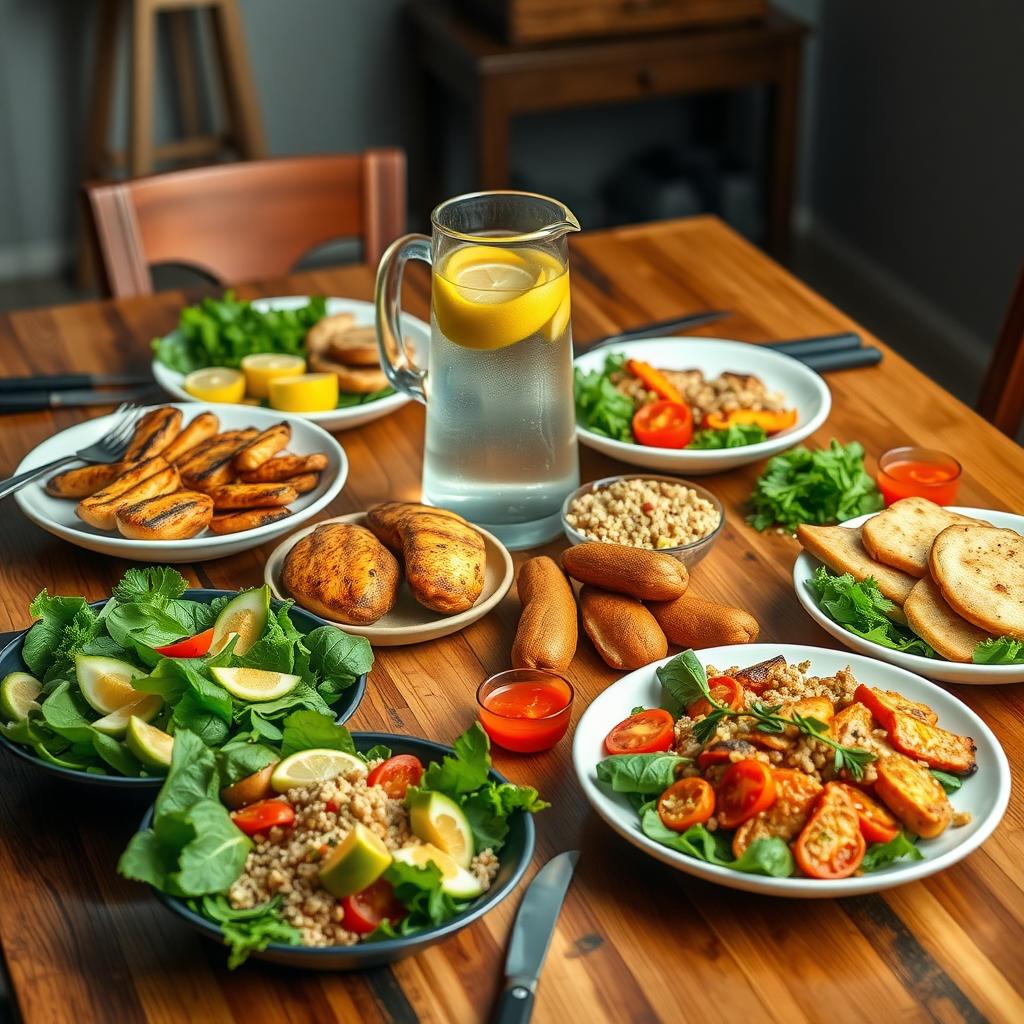
In my house, we love 'build-your-own' bowl nights. We cook a big batch of quinoa, roast veggies, and add a protein like chickpeas or grilled chicken. Everyone customizes their bowl, and it’s a cheap, healthy hit.
Step 3: How to Create a Family Wellness Plan
Meal planning isn’t just about food—it’s part of a broader Family Wellness Plan. Wellness means nourishing bodies and minds while fostering togetherness. A Harvard Medical School article highlights that regular family meals improve kids’ eating habits and emotional well-being.
To create your plan: 1. Set nutrition goals: Aim for balanced plates with lean proteins, whole grains, and colorful veggies. 2. Schedule activity: Pair meals with Family Fitness Tips to Stay Active Together (more on this below). 3. Prioritize connection: Use mealtimes to talk, share stories, or play a quick game.
Step 4: Prep Like a Pro
Once your meals are planned, prep work saves the day. Dedicate an hour after grocery shopping to chop veggies, marinate proteins, or cook grains. Store everything in clear containers for easy access. Prepping isn’t just efficient—it also makes cooking feel less overwhelming.
| Prep Task | Time Saved | Tips |
|---|---|---|
| Chop veggies | 10-15 min/meal | Use a food processor for speed. |
| Cook grains | 20 min/meal | Make enough for multiple meals. |
| Portion snacks | 5-10 min/day | Pre-bag fruits or nuts for grab-and-go. |
I’ve found that prepping on Sunday afternoons sets us up for success. My kids even help wash veggies or measure rice—it’s a fun way to get them involved.
Step 5: Family Fitness Tips to Stay Active Together
A wellness plan isn’t complete without movement. Family Fitness Tips to Stay Active Together can make exercise fun and sustainable. You don’t need a gym—simple activities like evening walks, bike rides, or backyard games count. A CDC resource on physical activity recommends kids get 60 minutes of activity daily, and family involvement boosts compliance.
Try these ideas: - Dance parties: Blast music for a 15-minute living room dance session. - Nature hikes: Explore local trails on weekends. - Cardio workouts for building stamina: Incorporate jump rope or tag games to get hearts pumping.
Last summer, we started a Saturday morning ‘family Olympics’ with relay races and silly challenges. The kids beg for it, and we all get a workout without it feeling like exercise.

Overcoming Common Meal Planning Challenges
Busy families face hurdles like picky eaters, time crunches, or budget constraints. Here’s how to tackle them: - Picky eaters: Offer choices within limits, like picking between broccoli or carrots. - Time shortages: Use one-pot recipes or sheet-pan meals to cut cooking time. - Budget woes: Stick to a grocery list to avoid impulse buys.
When my youngest refused veggies, we started a ‘taste test’ game where she’d try one bite of something new. It’s turned her into a broccoli fan!
Summary
Meal Planning Made Simple: Tips for Busy Families is about creating systems that work for your lifestyle. By planning meals, prepping smart, and weaving in wellness and fitness, you can save time, eat healthier, and strengthen family bonds. Start small—try planning three dinners this week—and build from there. With a little practice, you’ll wonder how you ever managed without it.

Discuss Here