Overview
Food Protein-Induced Enterocolitis Syndrome, or FPIES, is a rare food allergy that primarily affects infants and young children, causing severe vomiting and diarrhea hours after eating certain foods. Unlike typical allergies, FPIES doesn’t involve hives or breathing issues, making it tricky to diagnose. Kids With Food Allergies: FPIES Support - https://www.kidswithfoodallergies.org/food-protein-induced-enterocolitis-syndrome-fpies/ offers critical resources to help families manage this condition.
What Is FPIES?
FPIES is a non-IgE-mediated food allergy, meaning it doesn’t involve the immune system’s typical allergic antibodies. Instead, it triggers a delayed reaction in the gastrointestinal system, often hours after eating a trigger food. Symptoms like profuse vomiting, diarrhea, and lethargy can be alarming, especially for parents who mistake them for a stomach bug. My friend Sarah once described rushing her toddler to the ER after he vomited repeatedly after eating oatmeal, only to learn it was FPIES, not a virus. This condition can feel like a mystery until you connect the dots.
The condition typically appears in the first year of life, often when babies start formula or solid foods. While most kids outgrow FPIES by age 3 or 4, some continue to experience symptoms longer, especially if triggers aren’t identified early. According to the American Academy of Allergy, Asthma & Immunology, FPIES affects about 0.5% of U.S. children, though underdiagnosis is likely due to its rarity and delayed symptoms.

Common Allergens Causing FPIES
Unlike typical food allergies, where peanuts or eggs dominate, FPIES has unique triggers. The most common allergens causing FPIES include: - Cow’s milk: A frequent culprit, especially in formula-fed infants. - Soy: Common in the U.S. but less so globally. - Rice and oats: Often trigger reactions when solids are introduced. - Other foods: Fruits (banana, avocado), vegetables (sweet potato), and even meats can cause reactions, though less commonly.
Adults with FPIES often react to seafood, like shellfish, as noted by the Cleveland Clinic. Sarah’s son, for example, reacted to rice cereal, which shocked her since rice is often considered a ‘safe’ first food.
Acute FPIES: Symptoms and Severity
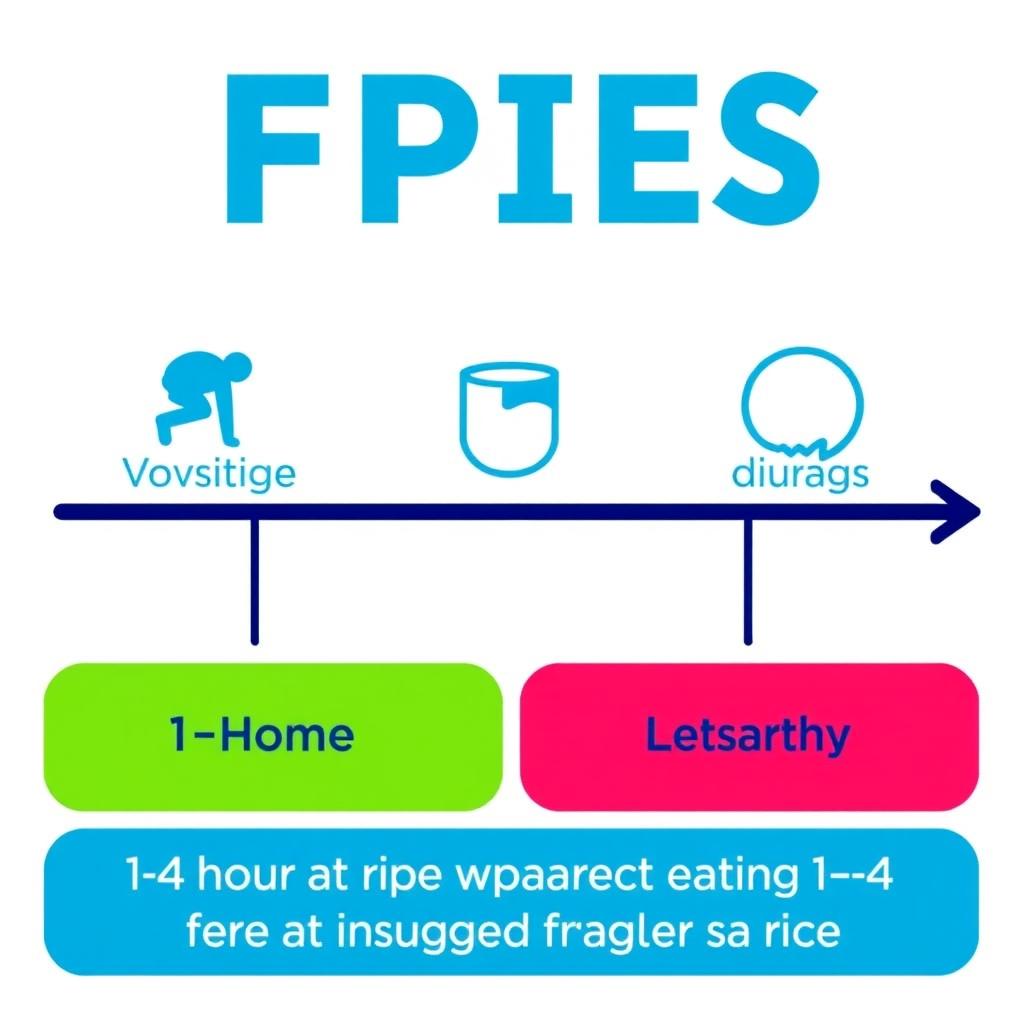
Acute FPIES reactions are dramatic, typically starting 1-4 hours after eating a trigger food. Symptoms include: - Profuse vomiting: Often projectile, sometimes with bile. - Diarrhea: Can last days and may contain blood or mucus. - Lethargy and pallor: Children may appear pale, floppy, or unusually tired. - Dehydration: In severe cases (about 15-20%), kids can go into shock, requiring urgent medical care.
I remember Sarah describing her son’s first reaction: 'He went from happy to limp in hours. It was terrifying.' These reactions can mimic severe infections, leading to misdiagnosis. The Children’s Hospital of Philadelphia notes that repeated exposure to triggers can worsen symptoms, making early identification critical.
Diagnosing FPIES: A Tricky Process
Diagnosing FPIES is challenging because it doesn’t show up on standard allergy tests like skin pricks or blood tests. Doctors rely on a child’s medical history and symptom patterns. In some cases, an oral food challenge—where a child eats a suspected trigger under medical supervision—is used to confirm the diagnosis. This test, while effective, must be done carefully, as reactions can be severe. The National Organization for Rare Disorders emphasizes that ruling out other conditions, like viral infections or celiac disease, is key to accurate diagnosis.
For parents, this process can feel like a rollercoaster. Sarah’s family visited the ER multiple times before an allergist pinpointed rice as the trigger. Kids With Food Allergies: FPIES Support provides tools like symptom trackers and doctor discussion guides to help parents advocate for their child. These resources can make a huge difference in navigating the diagnostic maze.
Managing FPIES: Strategies for Families
Managing FPIES starts with strict avoidance of trigger foods. This sounds simple but can be tough, especially when common foods like milk or grains are involved. Here are some practical steps:
| Strategy | Details |
|---|---|
| Identify Triggers | Work with an allergist or dietitian to pinpoint and avoid trigger foods. Keep a food diary to track reactions. |
| Safe Food Introduction | Start with low-risk foods like pumpkin or blueberries, introducing one new food every few days. |
| Emergency Plan | Have a written action plan for reactions, including when to use medications like ondansetron or seek IV fluids. |
| Educate Caregivers | Share your child’s condition with schools, babysitters, and family to prevent accidental exposure. |
Kids With Food Allergies offers printable action plans and letters for emergency rooms, which can be lifesavers during a reaction.
Breastfeeding moms often wonder if they need to avoid trigger foods. Thankfully, FPIES reactions via breastmilk are rare, so most moms can continue their usual diet. For formula-fed babies, hypoallergenic formulas like amino acid-based options may be recommended. A dietitian’s guidance is crucial to ensure proper nutrition, especially if multiple foods are avoided.

Emotional and Social Impact
Living with FPIES isn’t just about avoiding foods—it’s emotionally taxing. Parents often feel anxious about accidental exposures or social events like birthday parties. Sarah shared how she felt isolated when friends didn’t understand why her son couldn’t eat cake. Kids With Food Allergies: FPIES Support - https://www.kidswithfoodallergies.org/food-protein-induced-enterocolitis-syndrome-fpies/ connects families through online forums and local support groups, offering a space to share stories and tips. Knowing you’re not alone can be a game-changer.
The community also provides advocacy tools to shape policies, like ensuring schools accommodate FPIES kids. This support empowers parents to feel confident in managing their child’s condition while fostering a sense of belonging.
Outgrowing FPIES: Hope on the Horizon
The good news? Most kids outgrow FPIES by preschool age. For example, one study cited by Kids With Food Allergies found that 100% of kids with barley-triggered FPIES tolerated it by age 3, though dairy and rice triggers may persist longer. Oral food challenges, supervised by an allergist, can determine if a child has outgrown a trigger. This process gave Sarah’s family hope when her son passed a dairy challenge at age 3, opening up new food possibilities.
Why Kids With Food Allergies Is a Lifeline
Kids With Food Allergies, a division of the Asthma and Allergy Foundation of America, is a beacon for FPIES families. Their website offers: - Educational Resources: Guides on symptoms, diagnosis, and management. - Recipes: Allergy-friendly ideas for safe meals. - Community Support: Forums to connect with other parents. - Advocacy Tools: Resources to influence school and community policies.
By visiting Kids With Food Allergies: FPIES Support - https://www.kidswithfoodallergies.org/food-protein-induced-enterocolitis-syndrome-fpies/, families gain access to a wealth of practical tools and a supportive network.
Summary
FPIES is a rare but serious food allergy that can turn mealtimes into a challenge for families. With delayed symptoms like vomiting and diarrhea, it’s often misdiagnosed, but early identification and trigger avoidance can make all the difference. Kids With Food Allergies provides invaluable resources, from symptom trackers to community support, helping families navigate FPIES with confidence. Most kids outgrow it, offering hope for a less restricted future.

Discuss Here