Overview: Finding Balance with Chronic Fatigue and Exercise Routines
Chronic fatigue can make daily life feel like an uphill battle, but carefully designed exercise routines can help. This guide dives into how to approach physical activity safely, drawing from personal experiences and expert advice like The Chronic Fatigue Syndrome Solution by Jennifer Nolan. Whether you're seeking to understand chronic fatigue or looking for practical ways to incorporate movement, this article offers actionable insights.
Understanding Chronic Fatigue: A Comprehensive Guide to Symptoms and Challenges
Chronic fatigue, often linked to Chronic Fatigue Syndrome (CFS) or Myalgic Encephalomyelitis (ME), is more than just feeling tired. It’s a deep, persistent exhaustion that doesn’t improve with rest. Symptoms like muscle pain, brain fog, and post-exertional malaise (worsening symptoms after activity) affect over 500,000 people in the UK alone. For many, even simple tasks feel daunting. My own experience with chronic fatigue taught me that pushing too hard can backfire, leaving you bedridden for days. That’s why understanding your body’s limits is key before starting any exercise routine.

Why Exercise Matters for Chronic Fatigue
You might wonder: if activity can worsen symptoms, why exercise at all? Research shows that carefully planned physical activity can reduce fatigue and improve mood in some people with CFS. For example, a 2023 study found that physical activity interventions reduced fatigue with a moderate effect size (SMD = 0.70). But here’s the catch—vigorous exercise can trigger post-exertional malaise, as noted by the CDC. The trick is finding a balance. Gentle activities like walking or stretching can boost energy without overwhelming your system. Personally, I found that starting with just five minutes of movement a day made a difference without causing a crash.
Crafting Safe Exercise Routines for Chronic Fatigue
When living with chronic fatigue, exercise routines need to be tailored to your unique needs. Here’s how to get started:
- Start Small: Begin with low-impact activities like stretching or a short walk. Aim for 5-10 minutes, gradually increasing as your body allows.
- Listen to Your Body: Stop if you feel pain or extreme fatigue. Rest is just as important as movement.
- Pace Yourself: Use the 'pacing' technique, alternating short bursts of activity with rest. For example, walk for 5 minutes, then rest for 10.
- Choose Enjoyable Activities: Yoga, tai chi, or swimming can be fun and gentle on the body.
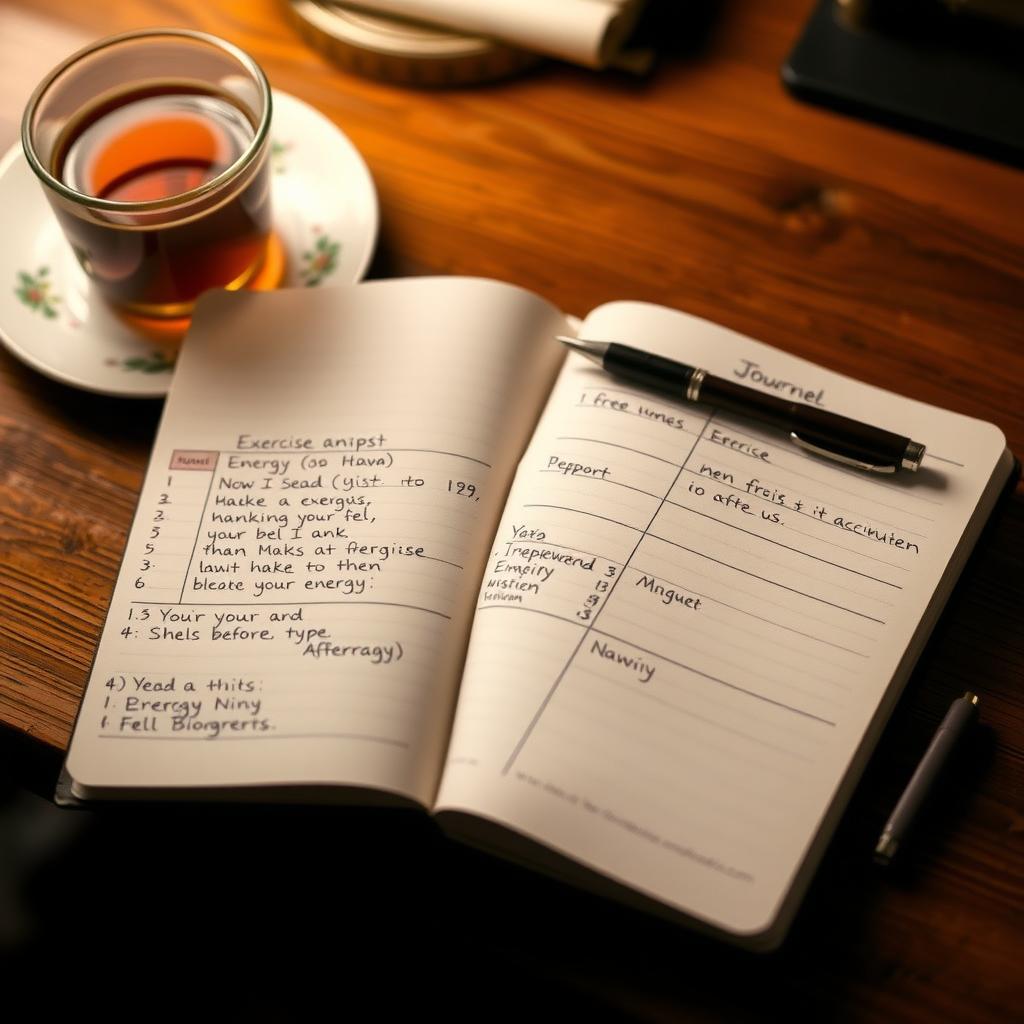
- Track Progress: Keep a journal to note how your body responds to different activities.
These strategies, inspired by Living with Chronic Fatigue: Strategies for Daily Life, helped me rebuild stamina without setbacks.

The Role of Graded Exercise Therapy (GET)
Graded Exercise Therapy (GET) is a structured approach where you gradually increase activity levels over weeks or months. Studies, like one from 2021, showed GET reduced fatigue scores in some CFS patients (mean decrease, p < 0.001). However, it’s controversial. A 2018 Cochrane review re-analysis found GET may not be as effective or safe as claimed, with some patients reporting worsened symptoms. My take? GET can work for some, but it’s not one-size-fits-all. Always consult a healthcare provider to customize it to your condition. For me, a modified version with very gradual increases was more tolerable than standard protocols.
Complementary Approaches to Support Exercise
Exercise alone isn’t enough. Combining it with other strategies can amplify benefits:
| Strategy | Benefit |
|---|---|
| Nutrition | Eating balanced meals stabilizes energy levels. |
| Sleep Hygiene | Consistent sleep schedules reduce fatigue. |
| Stress Management | Meditation or mindfulness lowers stress, aiding recovery. |
| Hydration | Staying hydrated prevents symptom flare-ups. |
I learned from The Chronic Fatigue Syndrome Solution that pairing exercise with mindfulness made me feel more in control. Small changes, like drinking water before a walk, kept me from crashing.
Common Mistakes to Avoid
When starting exercise with chronic fatigue, it’s easy to make mistakes. Here are pitfalls to watch for:
- Overdoing It: Pushing too hard can lead to a symptom flare-up. I once tried a 20-minute workout and was out of commission for a week.
- Ignoring Rest: Skipping rest days can worsen fatigue. Schedule them deliberately.
- Following Generic Plans: Standard fitness routines aren’t designed for CFS. Tailor everything to your limits.
- Neglecting Mental Health: Fatigue isn’t just physical. Anxiety or depression can amplify it, so consider therapy or support groups.
Understanding Chronic Fatigue: A Comprehensive Guide emphasizes listening to your body over following rigid plans, a lesson I wish I’d learned sooner.
Personal Insights: My Journey with Chronic Fatigue and Exercise
When I was diagnosed with CFS, I felt defeated. Exercise, something I once loved, seemed impossible. But over time, I found that small, consistent efforts—like a 10-minute walk or gentle yoga—helped me reclaim some energy. It wasn’t about becoming an athlete; it was about feeling human again. Connecting with others in support groups and reading resources like Living with Chronic Fatigue gave me hope. It’s a marathon, not a sprint, and every small step counts.
Expert Tips for Long-Term Success
To make exercise sustainable, experts suggest: - Work with Professionals: A physical therapist familiar with CFS can design safe routines. - Set Realistic Goals: Aim for consistency, not intensity. Even 5 minutes daily is progress. - Monitor Symptoms: Use apps or journals to track energy levels and adjust accordingly. - Stay Flexible: If a bad day hits, scale back without guilt.
These tips, backed by research and my own trial-and-error, keep exercise manageable and rewarding.
Summary: Moving Forward with Chronic Fatigue and Exercise Routines
Chronic fatigue doesn’t have to define your life. With the right approach, exercise can be a tool to boost energy and improve well-being. Start small, pace yourself, and combine movement with nutrition and stress management. Resources like The Chronic Fatigue Syndrome Solution and Understanding Chronic Fatigue offer deeper insights to guide your journey. Take it one step at a time—you’ve got this.

Discuss Here