Overview
Functional Gastrointestinal Disorders (FGIDs) affect millions worldwide, causing symptoms like chronic vomiting, abdominal pain, and bloating without clear structural causes. These disorders, including Chronic FPIES, stem from disrupted gut-brain interactions. This guide dives into their complexities, offering insights into symptoms, diagnosis, and treatment options to help you navigate these conditions.
What Are Functional Gastrointestinal Disorders?
FGIDs are conditions where the digestive system doesn’t work properly, yet tests like endoscopies or X-rays show no structural issues. They’re often called disorders of gut-brain interaction because they involve miscommunication between the gut and brain. Common FGIDs include irritable bowel syndrome (IBS), functional dyspepsia, and Food Protein-Induced Enterocolitis Syndrome (FPIES). These disorders can disrupt daily life, causing discomfort and emotional stress.
Unlike diseases with visible damage, like ulcers, FGIDs rely on symptom-based diagnoses. The Rome IV criteria, a set of guidelines developed by experts, help doctors identify them. Symptoms vary widely but often include abdominal pain, diarrhea, constipation, bloating, and chronic vomiting. For some, like those with Chronic FPIES, symptoms can be severe, leading to dehydration or poor growth in children.
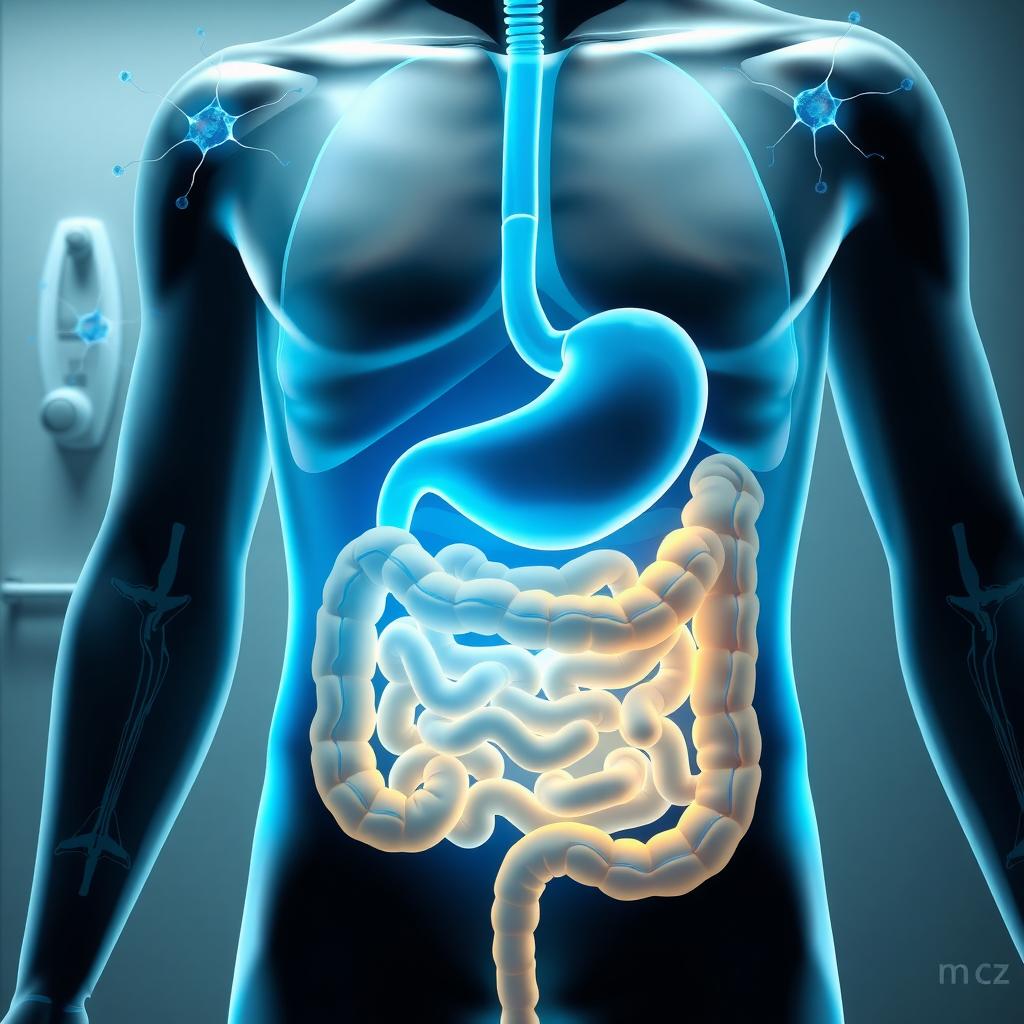
Understanding Chronic FPIES and Its Symptoms
Food Protein-Induced Enterocolitis Syndrome (FPIES) is a non-IgE-mediated food allergy that primarily affects infants and young children, though it can persist into adulthood. Unlike typical allergies, FPIES doesn’t cause immediate reactions like hives. Instead, symptoms appear hours after eating trigger foods, such as milk, soy, rice, or oats.
Chronic FPIES Symptoms include: - Persistent vomiting - Diarrhea (sometimes bloody) - Lethargy - Poor weight gain or failure to thrive - Dehydration
Chronic FPIES occurs when trigger foods are consumed regularly, leading to ongoing symptoms. For example, an infant on cow’s milk formula might experience intermittent vomiting and poor growth. Acute FPIES, in contrast, involves severe, episodic vomiting 1-4 hours after eating a trigger food. Both forms can be distressing, often mistaken for stomach bugs or other conditions, delaying diagnosis.
Causes and Triggers of FGIDs
The exact causes of FGIDs remain unclear, but research points to a mix of factors. These include: - Visceral Hypersensitivity: The gut becomes overly sensitive to normal stimuli, like gas or food, causing pain or discomfort. - Altered Gut Motility: Abnormal muscle contractions in the digestive tract can lead to symptoms like diarrhea or constipation. - Gut Microbiota Imbalance: Changes in gut bacteria may contribute to inflammation or irregular digestion. - Psychological Factors: Stress, anxiety, or depression can worsen symptoms by affecting gut-brain communication.
For Chronic FPIES, specific foods trigger an immune response, causing inflammation in the gut. Common triggers include cow’s milk, soy, and grains. In adults, shellfish is a frequent culprit. Identifying triggers is crucial, as repeated exposure can worsen symptoms like chronic vomiting.

Diagnosing FGIDs and Chronic FPIES
Diagnosing FGIDs is tricky because there are no specific tests or biomarkers. Doctors rely on symptom history and the Rome IV criteria. For example, functional dyspepsia is diagnosed when someone has persistent epigastric pain or fullness without structural issues. Chronic vomiting, a common FGID symptom, requires ruling out other causes like infections or blockages.
For Chronic FPIES, diagnosis is even more complex. Symptoms mimic other conditions, and standard allergy tests (like skin pricks) are often negative. A detailed medical history is key, noting when symptoms start after eating. In some cases, an oral food challenge—where a suspected trigger food is given under medical supervision—confirms the diagnosis. This process can be stressful but is vital for pinpointing triggers.
Treatment Options for Chronic Vomiting and FGIDs
Managing FGIDs and chronic vomiting involves a biopsychosocial approach, addressing physical, dietary, and emotional factors. Here are some treatment options for chronic vomiting and FGIDs:
| Treatment Type | Description | Examples |
|---|---|---|
| Dietary Changes | Avoiding trigger foods and adjusting diet to reduce symptoms. | Low-FODMAP diet for IBS, hypoallergenic formula for FPIES. |
| Medications | Targeting symptoms like pain, nausea, or motility issues. | Antispasmodics, proton pump inhibitors, ondansetron for vomiting. |
| Psychological Therapies | Managing stress or anxiety to improve gut-brain communication. | Cognitive behavioral therapy, hypnotherapy. |
| Lifestyle Adjustments | Incorporating exercise, sleep, and stress management. | Regular physical activity, mindfulness practices. |
For Chronic FPIES, the primary treatment is strict avoidance of trigger foods. Infants may switch to elemental formulas, while breastfeeding mothers might eliminate triggers from their diet. In acute FPIES episodes, intravenous fluids and steroids can help with severe vomiting or dehydration. Over time, many children outgrow FPIES by age three, but some require ongoing management.
Practical Tips for Living with FGIDs
Living with FGIDs or Chronic FPIES can feel overwhelming, but small changes make a big difference. Keep a symptom journal to track what you eat and how your body reacts. This helps identify triggers and patterns. Work closely with a gastroenterologist or allergist for personalized care. Joining support groups, like those offered by the International Foundation for Gastrointestinal Disorders (IFFGD), can provide emotional support and practical advice.
For parents of children with Chronic FPIES, patience is key. It’s tough seeing your child struggle with vomiting or poor growth. One parent shared, 'After my son’s FPIES diagnosis, we felt lost. But working with a dietitian and avoiding trigger foods changed everything.' Stories like this highlight the importance of tailored care.

The Emotional Impact of FGIDs
FGIDs don’t just affect the body—they take a toll on mental health. Chronic symptoms like vomiting or pain can lead to anxiety or depression, especially when diagnosis is delayed. The gut-brain axis means stress can worsen symptoms, creating a vicious cycle. Therapies like cognitive behavioral therapy (CBT) can break this cycle by teaching coping skills.
For Chronic FPIES, the emotional burden is often heavier for parents. Watching a child suffer repeated vomiting episodes is heartbreaking. Connecting with others through organizations like I-FPIES can ease the sense of isolation. Knowing you’re not alone makes a difference.
Summary
Functional Gastrointestinal Disorders, including Chronic FPIES, are complex but manageable with the right approach. By understanding symptoms, identifying triggers, and exploring treatment options for chronic vomiting, you can improve your quality of life. Work with healthcare providers, track symptoms, and seek support to navigate these challenges effectively.

Discuss Here