Overview
Family wellness activities bring loved ones together to nurture health, happiness, and connection. Whether it’s a weekend hike, a group yoga session, or cooking a healthy meal, these activities create lasting memories while promoting well-being. This article explores the benefits of family wellness activities and how they strengthen both body and bonds.
Why Family Wellness Activities Matter
In today’s fast-paced world, families often struggle to find time to connect. Between work, school, and screen time, quality moments can feel scarce. That’s where family wellness activities come in. These shared experiences—think outdoor adventures, mindfulness practices, or even simple walks—offer a chance to reconnect while prioritizing health.
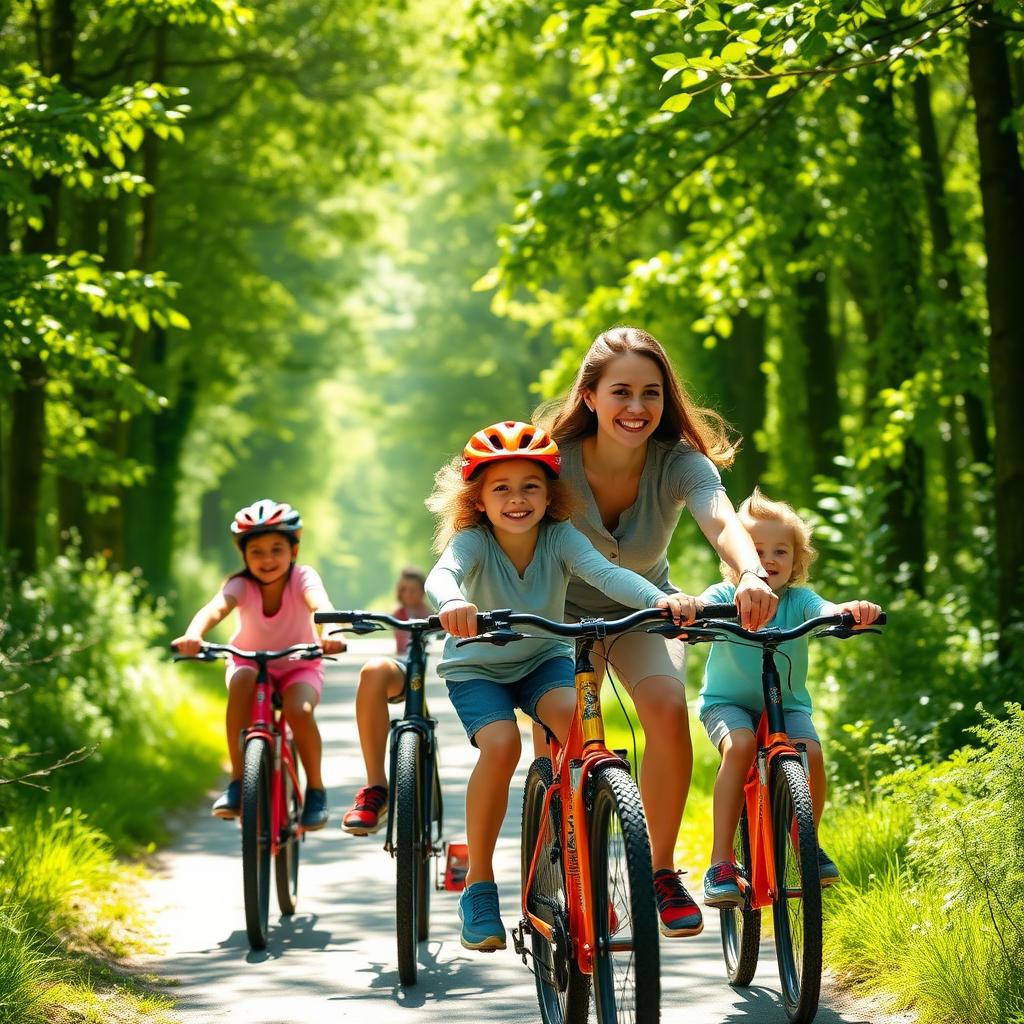
I remember when my family started a weekly tradition of biking together. At first, it was just a way to get some exercise, but it quickly became our favorite time to laugh, talk, and just be together. Those rides showed me firsthand how powerful these activities can be for building stronger relationships and healthier habits.
Physical Health Benefits
One of the biggest benefits of family wellness activities is the boost to physical health. When families exercise together—whether it’s hiking, swimming, or playing soccer—everyone gets moving. Regular physical activity reduces the risk of chronic diseases like obesity and heart disease, according to the CDC.
Kids especially benefit. Active parents set a strong example, encouraging lifelong healthy habits. For instance, a family dance night isn’t just fun—it’s a cardio workout in disguise! Plus, group activities make exercise feel less like a chore and more like play.
Here’s a quick look at how different activities impact physical health:
| Activity | Physical Benefits |
|---|---|
| Hiking | Improves cardiovascular health, strengthens muscles |
| Yoga | Enhances flexibility, reduces stress |
| Team Sports | Builds coordination, boosts endurance |
| Cycling | Strengthens legs, improves heart health |
Mental Health and Emotional Bonding
Family wellness activities aren’t just good for the body—they’re a balm for the mind. Shared experiences like meditation sessions or even gardening can lower stress and improve mood. Studies from the American Psychological Association show that mindfulness practices, like family yoga or breathing exercises, can reduce anxiety for both kids and adults.
These activities also strengthen emotional bonds. When my family started doing weekly game nights with a twist—like adding stretching breaks or a quick walk—we noticed how much closer we felt. Talking and laughing during these moments builds trust and understanding. For kids, this sense of connection can boost self-esteem and emotional resilience.

Fostering Communication and Teamwork
Another key benefit of family wellness activities is improved communication. Activities like cooking a healthy meal together require planning, cooperation, and problem-solving. When everyone pitches in—whether chopping veggies or setting the table—it creates a sense of teamwork.
I’ll never forget the first time my family tried making homemade pizza. It was chaotic—flour everywhere, debates over toppings—but we laughed so much and learned to work together. These moments teach kids valuable skills like listening and compromising, while parents get a chance to model patience and leadership.
Try these activities to boost teamwork: - Cooking Night: Assign roles like chef, sous-chef, and cleanup crew. - Scavenger Hunts: Work together to solve clues and find treasures. - Gardening: Plant and care for a family garden, sharing tasks.
Creating Lasting Memories
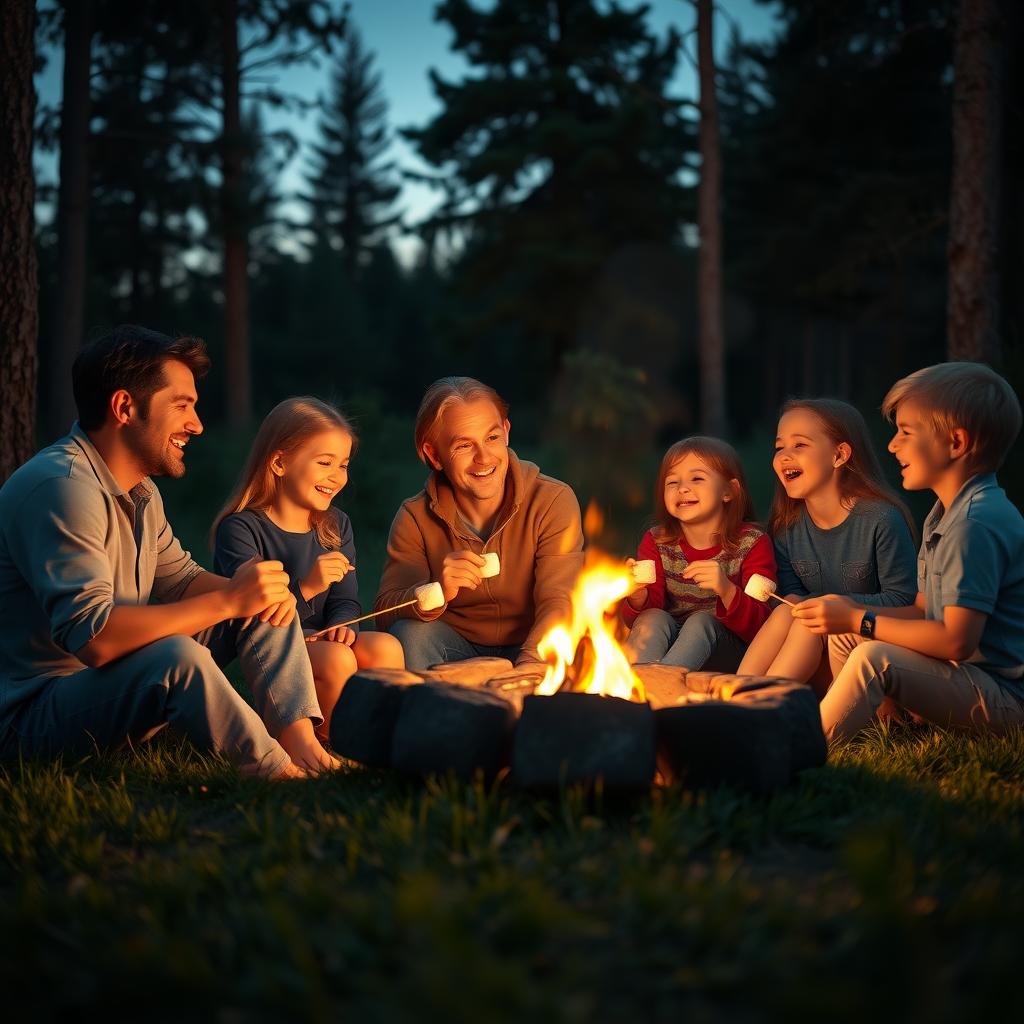
Family wellness activities are a treasure trove of memories. Whether it’s a chilly morning hike or a rainy day spent doing indoor stretching, these moments stick with you. For kids, these experiences become stories they’ll carry into adulthood. Even simple routines, like a nightly walk after dinner, can become cherished traditions.
My family still talks about the time we got lost on a trail but ended up finding a hidden lake. We spent hours skipping rocks and making up stories about the fish. Those unplanned moments are often the ones that mean the most.
Tips for Getting Started
Ready to embrace family wellness? Start small and keep it fun. Here are some practical tips:
- Choose Activities Everyone Enjoys: Ask each family member for input to ensure buy-in.
- Set a Schedule: Dedicate time each week, like a Sunday morning walk or Friday game night.
- Mix It Up: Try different activities to keep things fresh—alternate between physical, creative, and mindful ones.
- Keep It Simple: You don’t need fancy equipment. A walk in the park or a dance party in the living room works wonders.
- Celebrate Progress: Acknowledge small wins, like completing a family 5K or mastering a new recipe.
If you’re stuck for ideas, check out resources like Family Fun Magazine for activity inspiration.
Overcoming Common Challenges
Let’s be real—family wellness activities aren’t always smooth sailing. Kids might complain, schedules can clash, or someone’s just not in the mood. The key is flexibility. If a planned hike falls through, pivot to an indoor activity like a family stretching session. It’s less about perfection and more about showing up.
For busy families, try integrating wellness into daily routines. A 10-minute walk after dinner or a quick mindfulness exercise before bed can fit even the tightest schedules. The goal is consistency, not intensity.
Long-Term Impact
The benefits of family wellness activities extend far beyond the moment. Over time, these habits build stronger, healthier families. Kids learn the value of self-care, parents model positive behaviors, and everyone grows closer. Research from Harvard Health shows that regular family time can improve academic performance and emotional well-being in children.
For me, the biggest reward has been seeing my kids adopt these habits. My daughter now asks to go on walks, and my son loves our family yoga sessions. These activities have become part of who we are.
Summary
Family wellness activities are more than just fun—they’re a pathway to better health, stronger bonds, and lasting memories. From boosting physical fitness to fostering communication, these shared experiences transform families. Start small, stay consistent, and watch your family thrive. Ready to begin? Pick one activity this week and make it a tradition!

Discuss Here